


What's Happening?
Amy Lawrence, author of “The Power of Food Prep” and CEO of Gourmet Done Skinny, was featured on the podcast 'Real Food Stories' with host Heather Carey. The discussion centered on the transformative power of meal planning and food preparation as essential
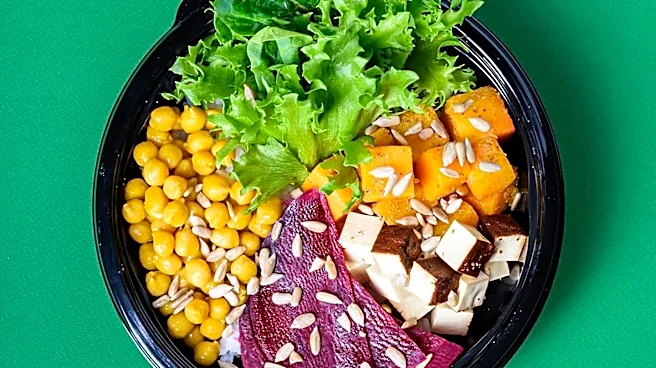
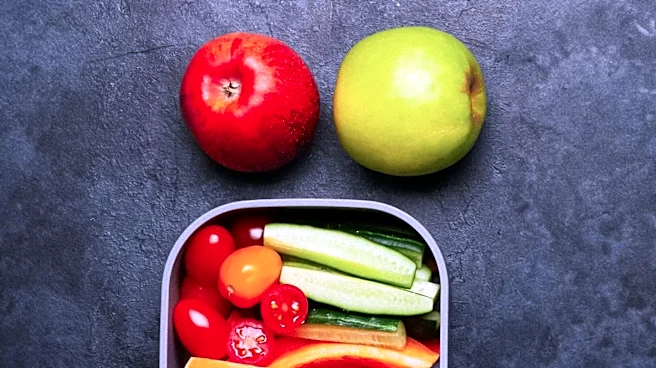
tools for maintaining a healthy lifestyle, particularly for women navigating midlife changes. Lawrence shared her personal journey, detailing her transition from a special education teacher to a meal planning expert after experiencing a life-altering stroke. This experience ignited her passion for culinary wellness and sustainable eating, leading her to empower others with practical nutrition advice. The episode highlighted how meal prepping can save time, cut costs, and alleviate stress while promoting healthier eating habits. Lawrence emphasized that cooking at home provides better control over ingredients and portion sizes, enabling individuals to enjoy meals aligned with their health goals. She also addressed common barriers to home cooking, such as time constraints and lack of confidence, offering effective cooking techniques and healthy eating tips, including her innovative “multiply it” technique and the benefits of flash freezing for busy individuals.
Why It's Important?
This discussion is important for U.S. society as it addresses prevalent challenges related to healthy eating and time management. Many Americans struggle with maintaining nutritious diets due to busy schedules and a lack of confidence in the kitchen. Amy Lawrence's insights offer practical solutions that can lead to improved public health outcomes by encouraging home cooking and mindful eating practices. The focus on women in midlife is particularly relevant, as this demographic often faces unique health and lifestyle changes that can be positively impacted by structured meal planning. By promoting strategies like food prep, the initiative can help reduce reliance on processed foods and takeout, potentially lowering healthcare costs associated with diet-related illnesses. Furthermore, the emphasis on sustainable cooking routines and family food traditions can foster a greater appreciation for culinary skills and community well-being, contributing to a more health-conscious and empowered populace. The advice provided can also help individuals manage their budgets more effectively by reducing food waste and optimizing grocery spending.
What's Next?
The continued dissemination of Amy Lawrence's meal planning strategies through podcasts, publications, and her company, Gourmet Done Skinny, is expected to further empower individuals to adopt healthier eating habits. Listeners of 'Real Food Stories' and readers of 'The Power of Food Prep' may be inspired to implement her techniques, potentially leading to a broader shift towards more mindful and prepared eating across the U.S. The focus on practical, actionable advice suggests that more individuals will likely explore meal prepping as a viable solution for their dietary and lifestyle needs. Future discussions and resources may delve deeper into specific dietary requirements, such as those for menopause health or weight loss, building on the foundational principles shared. The ongoing conversation around food prep is likely to influence how busy individuals, especially women, approach their daily nutrition, potentially leading to increased demand for related products, services, and educational content in the health and wellness sector.
Beyond the Headlines
Beyond the immediate benefits of meal planning, Amy Lawrence's story highlights the profound impact of personal health crises on career and life redirection. Her transition from a special education teacher to a culinary wellness expert after a stroke underscores the potential for individuals to find new purpose and contribute to public health in unexpected ways. This narrative can inspire others facing similar challenges to seek out new paths and leverage their experiences for the greater good. Ethically, the promotion of home cooking and mindful eating challenges the pervasive influence of fast food and convenience culture, encouraging a return to more traditional and health-conscious food preparation methods. Culturally, it reinforces the value of food as a tool for wellness and family connection, rather than merely sustenance. The long-term shift could involve a greater societal emphasis on preventative health through diet, potentially influencing educational curricula, public health campaigns, and corporate wellness programs to integrate more comprehensive meal planning and food preparation education.