


What's Happening?
REP Fitness has released a guide detailing the best hybrid fitness equipment for home gyms, focusing on combining strength and endurance training. The guide emphasizes that hybrid workouts build both strength and conditioning simultaneously, offering
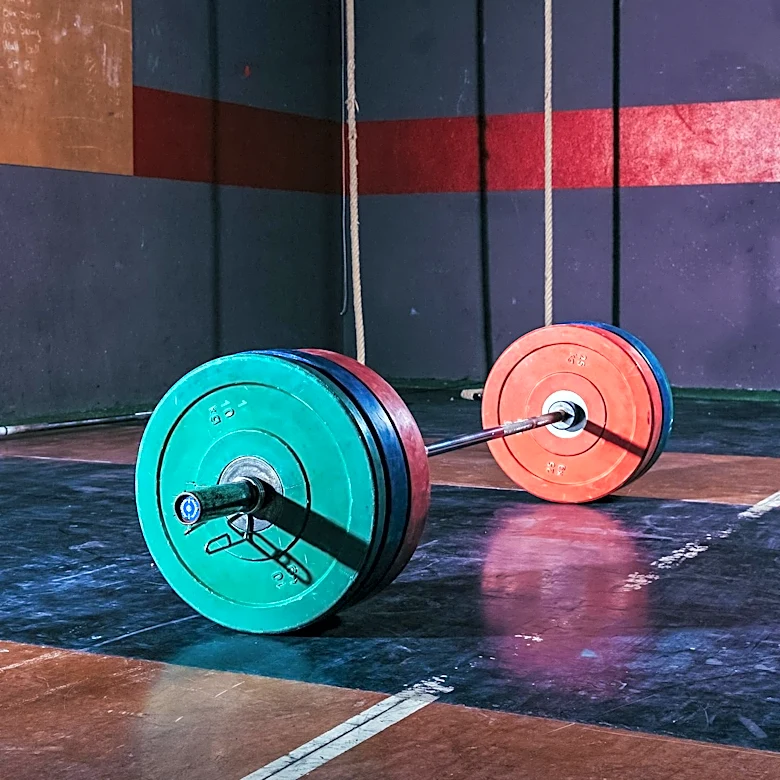
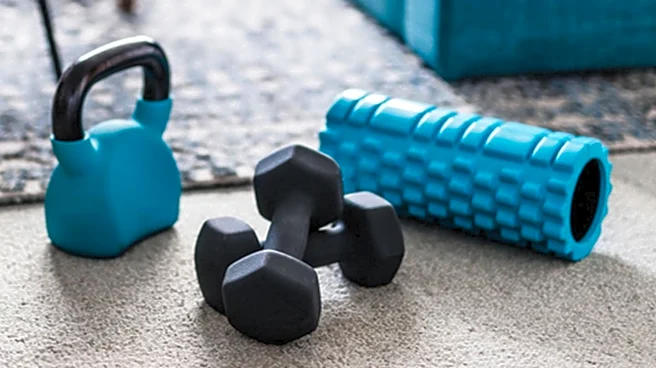
benefits like increased durability for athletes. Key equipment recommended includes cardio machines such as the Strive™ Curved Treadmill and Strive™ Air Bike, which facilitate both high-intensity sprints and steady-state conditioning. Additionally, the guide suggests sleds for leg drive without joint stress, and racks and barbells for foundational strength. Dumbbells and kettlebells are highlighted for unilateral work, power development, and core strength, with adjustable options like the QuickDraw™ Adjustable Dumbbell mentioned for versatility. The article also provides a sample hybrid strength training workout incorporating squats, kettlebell clean and presses, sled pushes, chin-ups, farmer carries, and an air bike Tabata finisher.
Why It's Important?
The increasing popularity of hybrid training, as evidenced by social media trends and events like HYROX, signifies a shift in fitness methodologies towards more comprehensive physical development. This guide from REP Fitness is important because it provides accessible solutions for individuals to adopt this training style within a home environment, potentially reducing reliance on commercial gyms. For athletes, the focus on durability and work capacity means better performance and injury prevention across various sports. For the general public, hybrid training offers a more efficient way to achieve overall fitness, combining cardiovascular health with muscular strength. The availability of versatile home equipment can democratize access to advanced training techniques, allowing more people to pursue integrated fitness goals without significant time or financial investment in specialized facilities.
What's Next?
As hybrid training continues to gain traction, the market for versatile home fitness equipment is likely to expand further. Manufacturers may introduce more integrated solutions that combine multiple functions into single pieces of equipment, catering to space-conscious consumers. We can also anticipate a rise in online training programs and coaching services specifically designed for hybrid home workouts, offering structured guidance for individuals utilizing this equipment. The emphasis on functional fitness and athletic durability suggests that future product development will prioritize equipment that supports a wide range of movement patterns and conditioning demands, moving beyond single-purpose machines. This trend could lead to greater innovation in compact, multi-functional fitness gear.
Beyond the Headlines
The rise of hybrid training and the focus on home gym solutions reflect broader societal shifts towards convenience, personalization, and holistic well-being. This trend challenges the traditional model of specialized gyms by empowering individuals to create comprehensive training environments in their own homes. It also highlights a growing understanding that optimal physical health involves a balance of strength, endurance, and functional movement, rather than excelling in just one area. Ethically, this accessibility could reduce barriers to fitness for those with limited time, resources, or comfort in public gym settings. Culturally, it signifies a move towards a more integrated approach to fitness, where the lines between 'athlete' and 'everyday exerciser' become increasingly blurred, with everyone seeking to improve their overall physical capability and resilience.