






What's Happening?
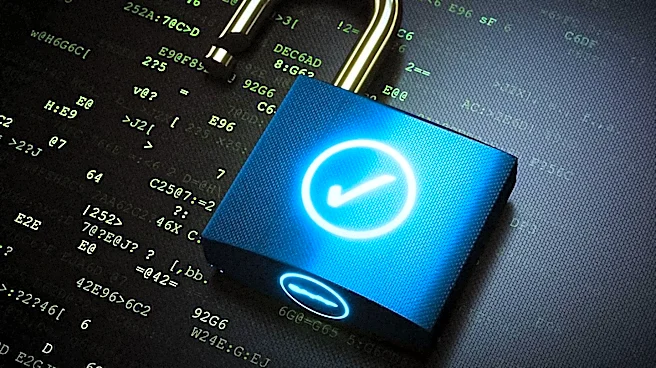
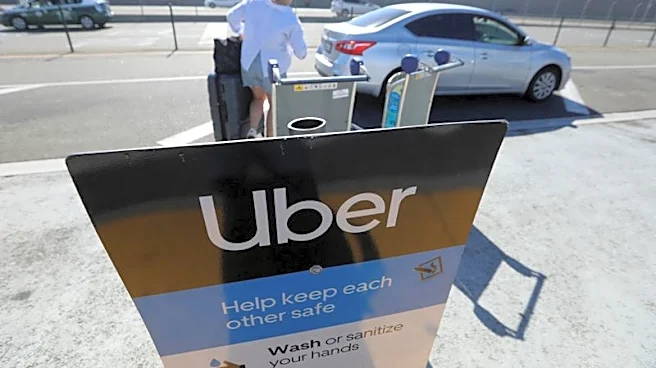
Uber has announced a data security incident that resulted in the theft of personal information and driver's license details for thousands of its drivers. The breach originated with Fireworks AI, one of Uber's technology service providers, which notified
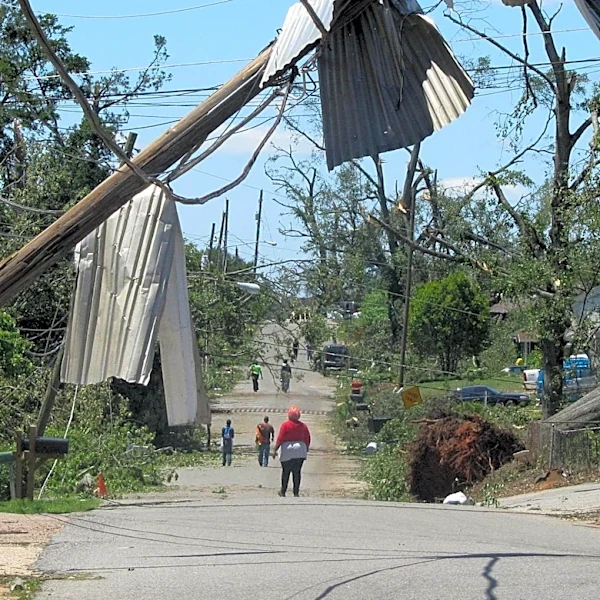
Uber about the security incident approximately a month prior. Following an internal investigation, Uber confirmed that driver data was exposed to unauthorized access through this third-party vendor. While Uber is cooperating with relevant authorities and has begun notifying affected individuals, specific details regarding the exact number of affected drivers, the precise nature of the stolen information, or the remedial measures being taken have not yet been fully disclosed. This incident is part of a broader trend of security events impacting various sectors in the U.S., including disruptions in air traffic control and cyberattacks on government and private entities, indicating a growing vulnerability of critical infrastructure to cyber and operational threats.
Why It's Important?
This data breach highlights the significant cybersecurity risks associated with third-party vendor relationships, a common vulnerability across many industries. Companies like Uber, which rely heavily on external technology providers, face an expanded attack surface, making them susceptible to breaches even if their internal systems are robust. The theft of driver's license details and personal information poses substantial risks for identity theft and fraud for the affected individuals. For Uber, such incidents can erode trust among its driver base and customers, potentially leading to reputational damage and regulatory scrutiny. The broader context of increasing cyberattacks on U.S. critical infrastructure suggests a systemic issue of security weaknesses and an evolving threat landscape, raising concerns about the nation's preparedness against sophisticated cyber threats, potentially from state-sponsored actors.
What's Next?
Uber is expected to continue its investigation into the breach, working with law enforcement and cybersecurity experts to understand the full scope of the incident and implement enhanced security measures. Affected drivers will likely receive further notifications and guidance on protecting themselves from potential identity theft, possibly including credit monitoring services. Regulators may initiate inquiries into Uber's and Fireworks AI's security practices, potentially leading to fines or mandates for improved data protection. This incident may also prompt other companies to review and strengthen their third-party vendor security protocols and supply chain cybersecurity. The ongoing pattern of cyberattacks could lead to increased government focus on national cybersecurity strategies, infrastructure protection, and intelligence sharing to counter advanced persistent threats.
Beyond the Headlines
The Uber data breach, occurring through a third-party vendor, underscores a critical vulnerability in the interconnected digital ecosystem: the supply chain attack. This method allows malicious actors to bypass direct defenses by targeting less secure links in a company's network of partners. The incident raises ethical questions about the responsibility of prime companies for the security practices of their vendors and the extent to which they should audit and enforce cybersecurity standards down their supply chain. Legally, it could lead to new precedents or stricter regulations regarding data stewardship and third-party risk management. Culturally, it contributes to a growing public awareness and concern about digital privacy and the constant threat of personal data compromise, potentially influencing consumer behavior and demands for greater transparency and accountability from tech companies.