






What's Happening?
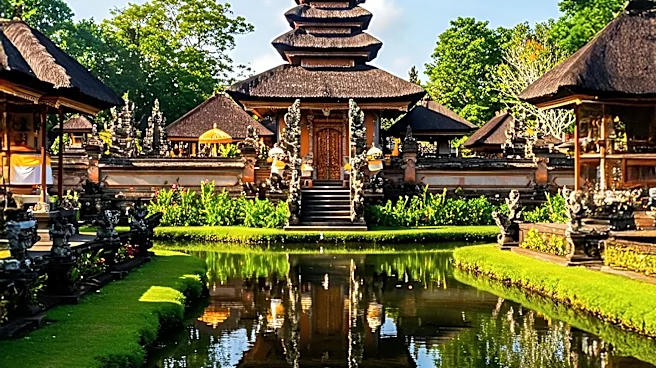
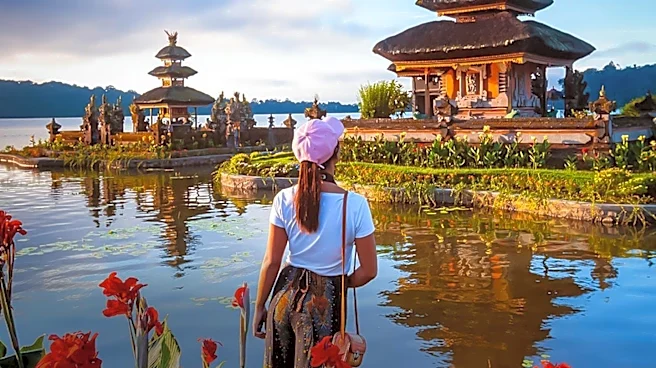
Twenty years after Elizabeth Gilbert's bestselling memoir 'Eat, Pray, Love' brought global attention to Bali, the Indonesian island has solidified its reputation as a premier destination for wellness. Initially recognized for yoga, meditation, traditional
massages, herbal treatments, and local healers, Bali has evolved significantly. The island now offers a comprehensive range of wellness experiences, from traditional practices to cutting-edge treatments like injectables, lasers, and reformer Pilates. This transformation has shifted Bali's appeal from a backpacker-boho haven to a chic wellness hub. Luxury resorts have played a crucial role in this evolution, enhancing their spa offerings and developing elaborate rituals that emphasize a sense of place. The island attracts individuals seeking emotional clarity, self-improvement, stress relief, detoxification, physical renewal, and spiritual healing, with a continuous expansion of sophisticated and creative wellness options.
Why It's Important?
Bali's sustained growth as a global wellness destination highlights a significant trend in the tourism and hospitality industries, particularly relevant to U.S. travelers and businesses. The increasing demand for wellness-focused travel reflects a broader societal shift towards holistic health and self-care. For U.S. tourism operators and travel agencies, understanding and catering to this demand can open new market segments and revenue streams. The blend of traditional healing practices with modern wellness technologies in Bali also showcases an innovative approach to health tourism that could influence similar developments in the U.S. Furthermore, the economic impact on Bali, driven by international visitors, demonstrates the potential for regions to leverage unique cultural and natural assets to build thriving niche markets. This trend also underscores the importance of adapting to evolving consumer preferences, as Bali successfully transitioned from a general tourist spot to a specialized wellness hub.
What's Next?
The trajectory for Bali's wellness industry suggests continued innovation and expansion. Resorts and wellness centers are likely to further integrate advanced treatments with traditional Balinese practices, offering more personalized and comprehensive programs. We can anticipate an increase in specialized retreats focusing on specific aspects of wellness, such as Ayurvedic consultations, astrological readings, and unique healing dance rituals. The emphasis on sustainability and zero-waste initiatives, as seen in places like Desa Potato Head Bali, is also expected to grow, aligning with global environmental consciousness. For U.S. travelers, this means an even wider array of sophisticated and diverse wellness options will become available in Bali. The success of Bali's model may also inspire other destinations, including those in the U.S., to invest further in their wellness tourism infrastructure and offerings, potentially leading to new partnerships and collaborations in the global wellness market.
Beyond the Headlines
Beyond its economic and tourism implications, Bali's enduring appeal as a wellness destination touches upon deeper cultural and psychological dimensions. The island's ability to blend ancient spiritual traditions with contemporary health practices offers a unique model for holistic well-being that resonates with a global audience. This fusion challenges conventional Western approaches to health, encouraging a more integrated view of mind, body, and spirit. The emphasis on purification ceremonies, meditation, and connection with nature provides a counter-narrative to the fast-paced, technology-driven modern lifestyle, offering a space for introspection and rejuvenation. Ethically, the growth of wellness tourism in Bali also raises questions about cultural preservation and the potential for commercialization of sacred practices. Ensuring that the benefits of this industry are shared equitably with local communities and that traditional knowledge is respected will be crucial for its long-term sustainability and authenticity.