
What's Happening?
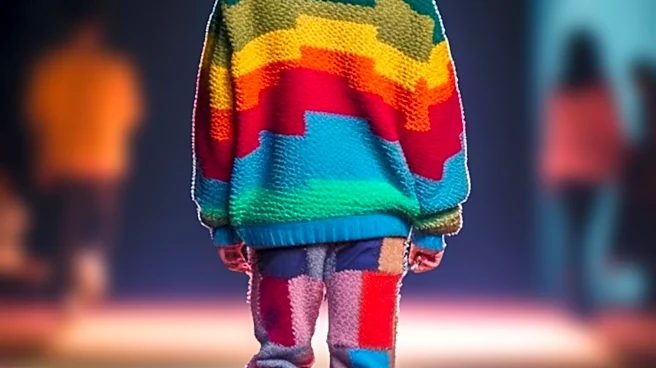
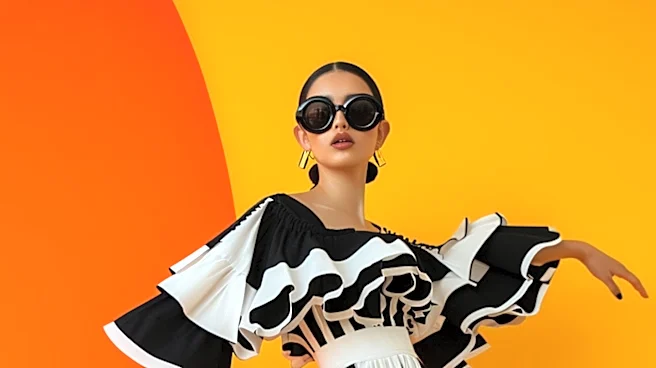
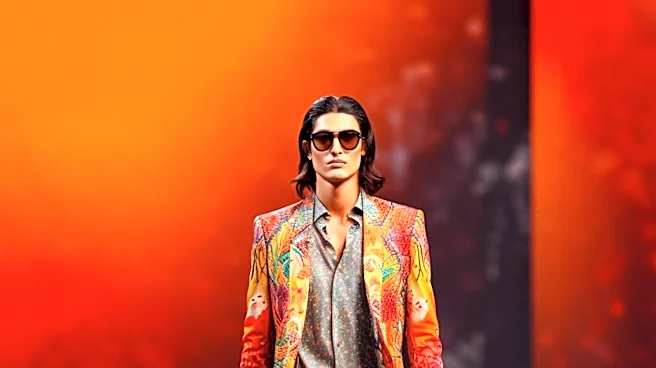
The Winter 2027 fashion season is poised to embrace maximalism, moving away from the understated aesthetic of 'quiet luxury.' Runway collections from earlier this year indicate a resurgence of expressive and decorative styles. Key trends include the return
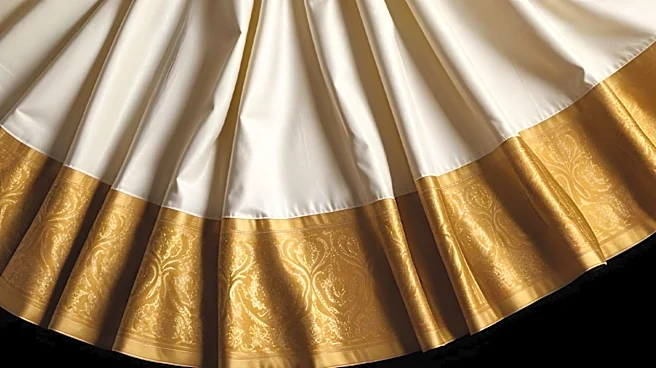
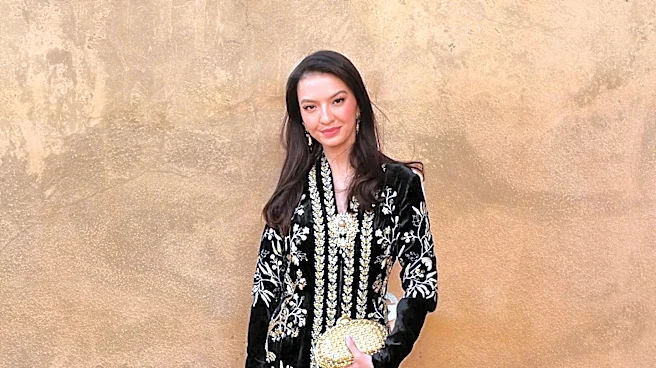
of operatic jackets, reminiscent of the Jazz Age, characterized by their calf-length or longer designs, rich fabrics like silk, satin, or brocade, and lavish trims. Big bows are also making a significant appearance, adding a playful and dramatic touch. Additionally, an explosion of extravagant purple ensembles is anticipated, suggesting a bold color palette for the season. Velvet textures, in various colors and cuts, are dominating the catwalks, transitioning from evening wear to everyday fashion.
Why It's Important?
This shift towards maximalism and expressive styles for Winter 2027 holds significant implications for the U.S. fashion industry and consumers. Retailers will need to adjust their inventory to meet the demand for more ornate and statement-making pieces, potentially leading to increased sales in categories like outerwear, accessories, and formal wear. Designers will be challenged to innovate within these maximalist themes, incorporating elements like operatic jackets, large bows, and rich velvet fabrics into their collections. For consumers, this trend offers an opportunity to experiment with bolder personal styles, moving away from minimalist aesthetics. The emphasis on luxurious fabrics and intricate details could also stimulate growth in the high-end fashion market and related manufacturing sectors in the U.S.
What's Next?
As Winter 2027 approaches, U.S. fashion brands and retailers will likely begin to roll out collections that reflect these maximalist trends. Consumers can expect to see a wider availability of operatic jackets, garments adorned with large bows, and an abundance of purple-hued clothing. Velvet will become a prominent fabric choice across various apparel categories, from dresses to tailored pieces. Fashion publications and influencers will continue to highlight these trends, further shaping consumer demand. The industry will monitor the adoption rate of these expressive styles to gauge their long-term staying power and influence on subsequent seasons, potentially leading to a sustained period of more decorative and bold fashion choices.
Beyond the Headlines
The move towards maximalism in fashion can be seen as a broader cultural response to recent periods of uncertainty and restraint. After years of minimalist and 'quiet luxury' trends, consumers may be seeking more joy, escapism, and self-expression through their clothing. This shift could reflect a desire for optimism and a return to more celebratory aesthetics. Ethically, the emphasis on rich fabrics and intricate craftsmanship might also encourage a greater appreciation for quality and longevity in garments, potentially counteracting fast fashion trends. The re-emergence of historical styles like operatic jackets also highlights the cyclical nature of fashion and how past eras continue to inspire contemporary design, offering a rich tapestry of cultural references for modern interpretation.