







What's Happening?
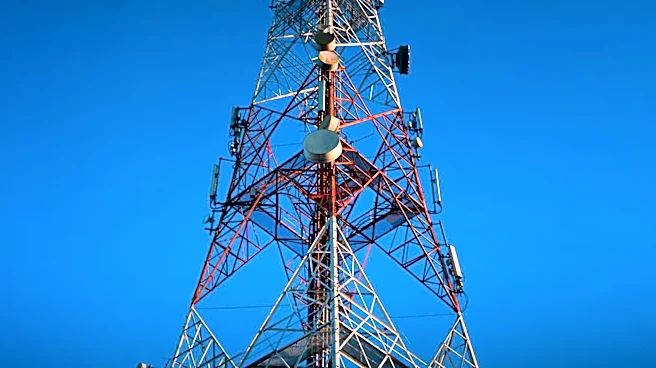
Vodafone is conducting trials of energy-saving 5G radio antenna technology in Turkey, claiming significant energy reductions. The trials have reportedly achieved up to 10% energy savings through new software and hardware power-saving techniques, with
an additional 20% reduction using next-generation radios. In maximum energy-saving mode, the radio antenna can operate on as little as 10 watts of power, similar to a standard LED light bulb, while maintaining uninterrupted service. The technology allows the system to return to full capacity in approximately 30 seconds when needed, utilizing massive MIMO radios on the 3.5GHz spectrum, commonly used in urban areas to boost capacity.
Why It's Important?
This development is significant as it represents a step forward in reducing the energy consumption of telecommunications infrastructure, which is crucial for achieving sustainability goals. The ability to maintain service while reducing energy use can lead to lower operational costs and a smaller carbon footprint for telecom operators. This innovation aligns with global efforts to reduce energy consumption in the tech industry, which is often criticized for its high energy demands. The success of such trials could encourage other telecom companies to adopt similar technologies, potentially leading to widespread energy savings across the industry.
What's Next?
If successful, Vodafone's energy-saving technology could be implemented more broadly, potentially influencing industry standards and practices. Other telecom operators may follow suit, adopting similar technologies to reduce their energy consumption. This could also lead to regulatory bodies encouraging or mandating energy efficiency improvements in telecom infrastructure. Additionally, the technology could be adapted for use in other regions, contributing to global energy-saving efforts in the telecommunications sector.