







What's Happening?
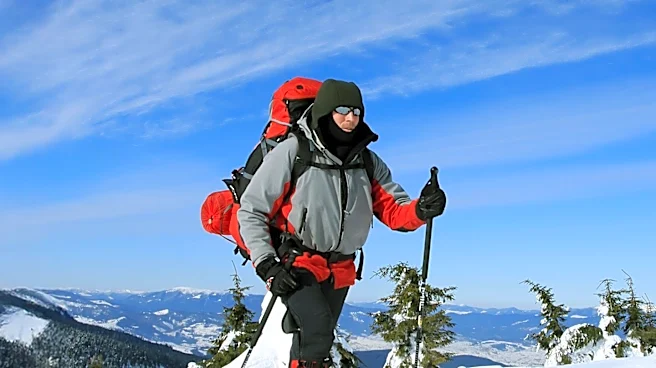
Several East Coast destinations are promoting snowshoeing as a popular winter activity, catering to those seeking outdoor recreation during colder months. In Lake Placid, New York, Pine Pond is highlighted as an ideal location for snowshoeing and cross-country
skiing within the Adirondack High Peaks Region. Tannersville, New York, near Hunter Mountain, features the Mountain Top Arboretum as a prime spot for winter hiking and snowshoeing. Manchester, Vermont, nestled in the Green Mountains, offers snowshoeing trails at the Equinox Preservation Trust. Additionally, Vernon, New Jersey, provides various snowshoeing and cross-country skiing options, including several miles of marked trails at Wawayanda State Park. These locations are part of a broader effort to attract tourists during the fall and winter seasons, offering a range of activities from skiing and snowboarding to ice skating and tobogganing, alongside cultural attractions and dining experiences.
Why It's Important?
The promotion of snowshoeing across these East Coast destinations signifies a strategic effort to diversify winter tourism offerings beyond traditional skiing and snowboarding. This approach broadens the appeal of these regions to a wider demographic, including families and individuals seeking less intense, yet still engaging, outdoor activities. By highlighting accessible and scenic snowshoeing trails, these areas can attract visitors who might not otherwise consider a winter getaway, thereby boosting local economies during the off-peak season. This diversification also helps to mitigate the impact of variable snow conditions on ski resorts, providing alternative attractions. Furthermore, it aligns with a growing consumer interest in outdoor recreation and wellness, offering opportunities for physical activity amidst natural beauty. The emphasis on varied winter sports contributes to the overall vibrancy and economic resilience of these tourist-dependent communities.
What's Next?
As winter approaches, these East Coast destinations will likely continue to market their snowshoeing opportunities through tourism boards, local businesses, and online platforms. We can expect to see more detailed information on trail conditions, equipment rentals, and guided tours. Local businesses, such as hotels, restaurants, and outdoor gear shops, will likely benefit from the increased visitor traffic. There may also be efforts to enhance trail infrastructure, such as improved signage and maintenance, to accommodate growing interest. Special events or festivals centered around winter outdoor activities, including snowshoeing, could be organized to further attract tourists. The success of these initiatives could lead to increased investment in winter recreational facilities and services in these and other East Coast locations, solidifying their status as year-round tourist destinations.
Beyond the Headlines
The growing popularity of snowshoeing in these East Coast locales reflects a broader cultural shift towards appreciating the quieter, more contemplative aspects of winter. Unlike high-adrenaline sports, snowshoeing offers a more immersive experience in nature, allowing participants to connect with the serene beauty of snow-covered landscapes. This trend also speaks to the increasing demand for accessible outdoor activities that require less specialized skill or expensive equipment, making winter recreation more inclusive. Environmentally, promoting snowshoeing can encourage a deeper appreciation for natural ecosystems during winter, potentially fostering greater conservation efforts. From a community perspective, the development of diverse winter activities can create more sustainable tourism models, reducing reliance on a single type of attraction and fostering a more resilient local economy that can adapt to changing climate patterns and consumer preferences.