






What's Happening?
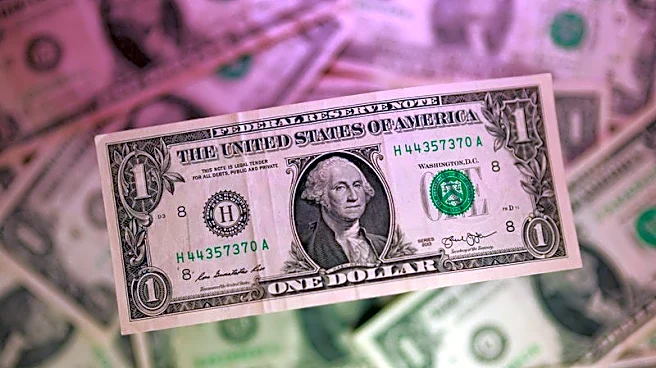
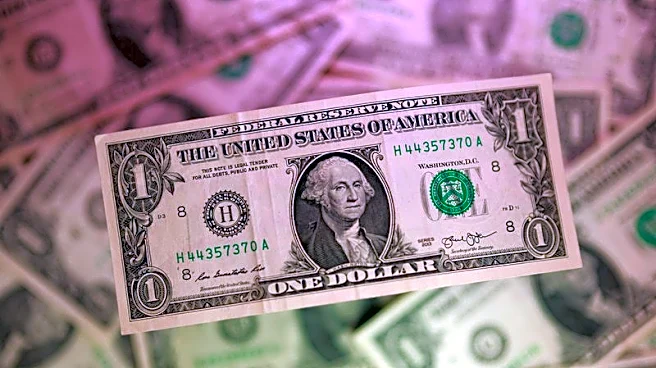
The US Dollar (USD) began the week under bearish pressure, with the USD Index declining over 0.5% on Monday. As of early Tuesday, the USD Index is in a consolidation phase below 102.00, as investors await the release of critical October inflation data.
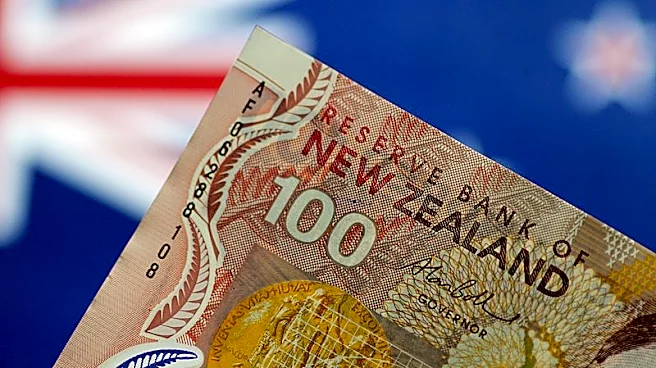
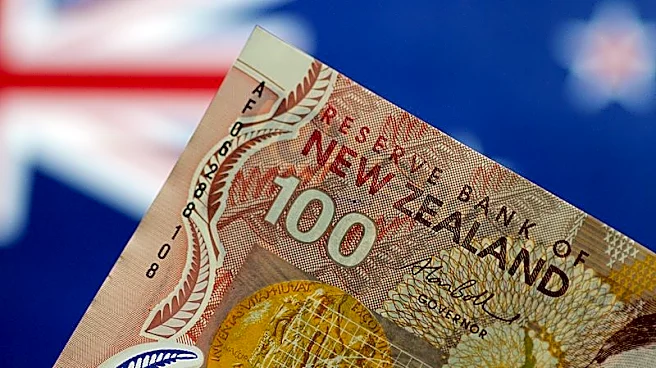
Policymakers from the Federal Reserve, the European Central Bank, and the Bank of England are scheduled to deliver speeches throughout the day. This week, the US Dollar has shown the most significant weakness against the New Zealand Dollar (NZD). The improving risk mood has made it challenging for the USD to maintain strength against other major currencies. Wall Street's main indexes started the week positively, with the Nasdaq Composite gaining over 3% on Monday, and this upbeat sentiment extended into the Asian trading session on Tuesday. Markets are anticipating a 0.3% month-over-month rise in the Consumer Price Index (CPI) for October, following a 0.6% increase in September. The core CPI, which excludes volatile food and energy prices, is expected to increase by 0.2%.
Why It's Important?
The performance of the US Dollar is a key indicator for global financial markets and has significant implications for U.S. trade, investment, and inflation. A weakening dollar can make U.S. exports more competitive but can also increase the cost of imports, potentially contributing to domestic inflation. The market's anticipation of inflation data and Federal Reserve speeches highlights the sensitivity of currency markets to economic indicators and monetary policy signals. If U.S. inflation data undershoots expectations, it could further dampen the dollar's upward momentum, as analysts at MUFG/BTMU suggest. This scenario could influence the Federal Reserve's decisions regarding interest rates, impacting borrowing costs for businesses and consumers. The dollar's current vulnerability, particularly against currencies like the New Zealand Dollar, reflects broader shifts in investor sentiment and risk appetite, which can affect capital flows into and out of the U.S. economy.
What's Next?
The immediate focus for the US Dollar will be the release of the October inflation data. If the Consumer Price Index (CPI) and core CPI figures come in lower than expected, it could reinforce the bearish sentiment surrounding the dollar and potentially lead to further depreciation. Conversely, stronger-than-anticipated inflation data might provide some support for the dollar, as it could signal a need for the Federal Reserve to maintain a hawkish stance. Speeches from Federal Reserve policymakers throughout the day will also be closely watched for any indications regarding future monetary policy. Market participants will be looking for clues on whether the Fed will continue its tightening policy or if there's a potential shift in its approach. The ongoing risk rally in global equity markets could also continue to weigh on the dollar, as investors may favor higher-yielding assets over safe-haven currencies.
Beyond the Headlines
The current dynamics of the US Dollar reflect a complex interplay of global economic sentiment, monetary policy expectations, and geopolitical factors. The dollar's recent weakness, particularly against the New Zealand Dollar, could signal a broader shift in investor confidence away from traditional safe-haven assets towards riskier investments, driven by an improving global risk mood. This trend, if sustained, could have long-term implications for the dollar's role as the world's primary reserve currency. Furthermore, the Federal Reserve's response to inflation data will be crucial. A prolonged period of dollar weakness could impact the purchasing power of U.S. consumers and businesses, potentially altering trade balances and investment strategies. The situation also highlights the interconnectedness of global financial markets, where economic data and policy decisions from one major economy can trigger ripple effects across currencies and asset classes worldwide.