
What's Happening?
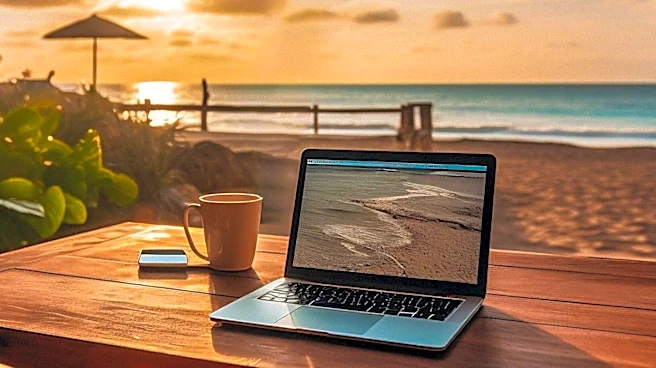
The trend of remote work is significantly impacting the luxury travel industry, with around 18 million Americans now working remotely while traveling. This shift is driving a demand for extended luxury stays, as travelers seek to combine work with leisure
in popular destinations. The concept of 'slow travel' is gaining traction, with 91% of travelers expressing interest in embracing this approach by 2026. Slow travel emphasizes spending more time in one location, allowing for deeper cultural experiences and relaxation. This trend is also aligned with sustainable tourism practices, which aim to balance economic, social, and environmental impacts while supporting local communities. Extended vacations offer benefits such as reduced transportation costs and discounted long-stay rates, providing better value for luxury travelers.
Why It's Important?
The rise of remote work and the digital nomad lifestyle is reshaping the luxury travel market. As more Americans choose to work while traveling, the demand for accommodations that cater to long-term stays is increasing. This shift presents opportunities for the hospitality industry to adapt by offering services tailored to remote professionals, such as reliable internet access and private workspaces. Additionally, the emphasis on slow travel and sustainability reflects a growing consumer preference for meaningful and responsible travel experiences. This trend could lead to a more conscious approach to tourism, with travelers seeking to minimize their environmental impact and engage more deeply with local cultures.
What's Next?
As the trend of remote work continues to grow, luxury travel providers are likely to expand their offerings to accommodate the needs of digital nomads. This could include the development of more long-term stay packages and the enhancement of amenities that support remote work. Additionally, destinations that promote sustainable tourism practices may see increased interest from travelers seeking eco-friendly options. The travel industry may also witness a shift in marketing strategies, focusing on the benefits of slow travel and the unique experiences it offers. As travelers prioritize longer stays, there may be a greater emphasis on creating personalized and immersive travel experiences.