





What's Happening?
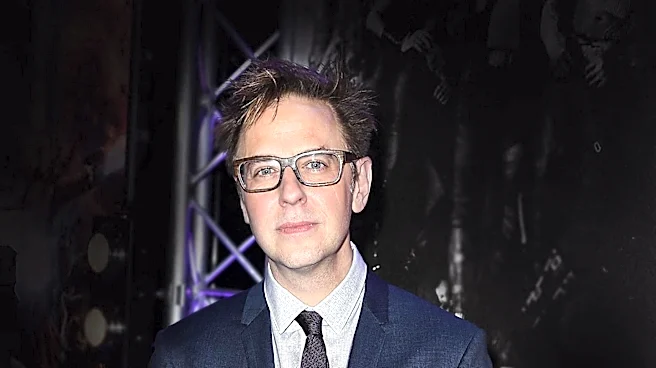
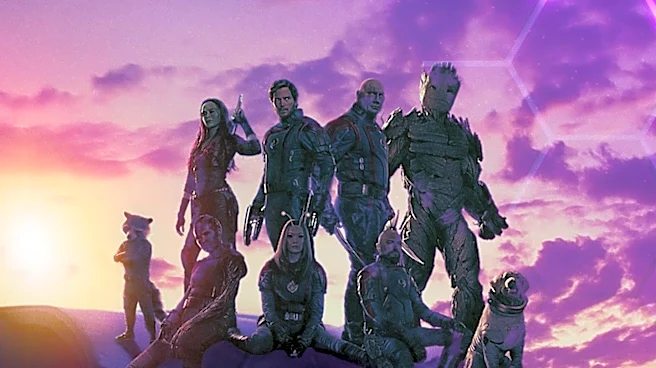
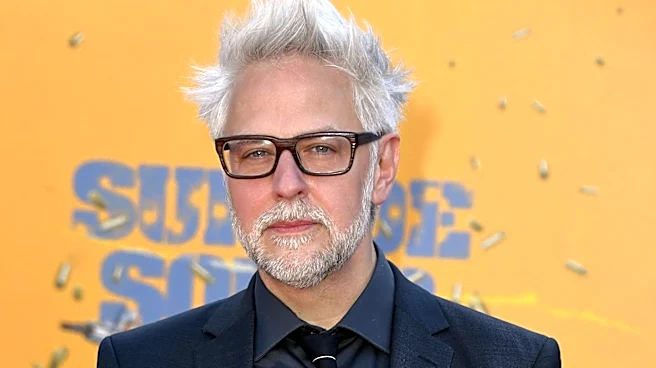
James Gunn, co-CEO of DC Studios, has utilized a podcast to explain the continuity of the new DC Universe (DCU), particularly how his 2021 film 'The Suicide Squad' and the 'Peacemaker' series fit into the revamped timeline. This explanation comes as fans
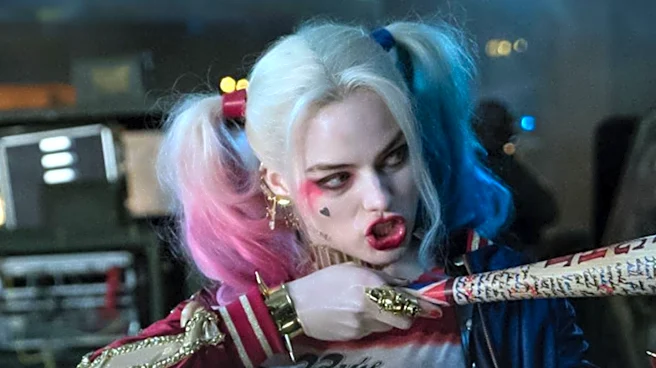
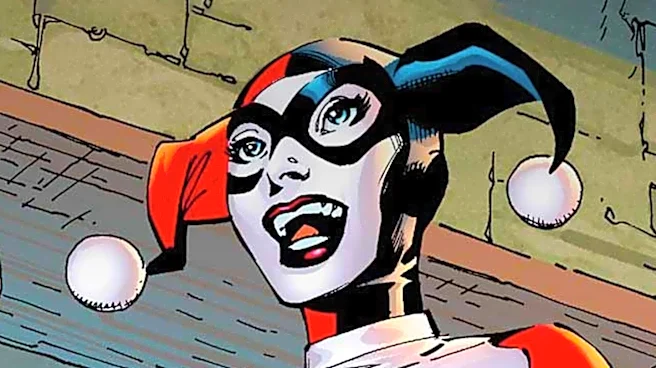
anticipated a complete reset of the DC Extended Universe (DCEU). Gunn stated that 'The Suicide Squad' largely remains canonical within the new DCU, but acknowledged that certain elements, such as Harley Quinn's future and the existence of the Joker, are subject to revision or remain unresolved. He also addressed the continuity of characters like Jason Momoa's Aquaman and Ezra Miller's Flash, who appeared in the 'Peacemaker' finale, indicating that these stories are being transplanted into a different fictional history with necessary revisions to avoid complications. For instance, the event where Bloodsport shot Superman is being recontextualized to fit the new Superman's history, with Gunn suggesting it might not constitute a 'defeat' in the traditional sense.
Why It's Important?
This clarification from James Gunn is significant for the future direction of the DC cinematic universe and its impact on the entertainment industry. The selective preservation of past DCEU projects, rather than a clean break, creates a complex narrative landscape that could either engage or alienate long-time fans. For Warner Bros. Discovery, the parent company, a clear and compelling cinematic universe is crucial for competing with rival franchises. The decision to retain certain actors and storylines while discarding others reflects a strategic attempt to leverage popular elements while building a new foundation. However, the potential for continuity inconsistencies and the need for elaborate explanations could lead to fan fatigue and hinder the DCU's ability to establish a cohesive identity. The success of this approach will influence future decisions regarding franchise reboots and the integration of existing intellectual property in Hollywood.
What's Next?
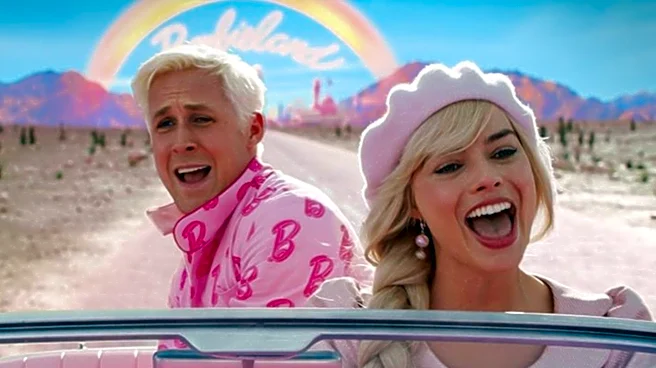
The ongoing rollout of the new DCU will likely involve further explanations and creative adjustments to reconcile past narratives with the new vision. Future projects, including the upcoming 'Superman' film, will need to seamlessly integrate these revised continuities. The casting decisions for key characters, such as Harley Quinn, will also play a crucial role in shaping the DCU's direction, as Gunn has indicated that Margot Robbie's willingness to return could influence the character's backstory. Audiences can expect continued discussions and debates among fans regarding the coherence and integrity of the new timeline. The critical and commercial reception of these initial DCU films and series will be a key indicator of whether Gunn's selective reboot strategy successfully revitalizes the franchise or exacerbates existing continuity challenges.
Beyond the Headlines
The approach taken by James Gunn highlights a broader trend in the entertainment industry where established franchises grapple with the balance between honoring legacy and pursuing fresh narratives. The challenge of rebooting a beloved universe while retaining popular elements speaks to the commercial pressures and fan expectations that shape modern filmmaking. This strategy also raises questions about narrative integrity and the willingness of audiences to accept revised histories for familiar characters. The DCU's journey will serve as a case study for how major studios navigate the complexities of shared universes, particularly when attempting to course-correct after previous iterations. The success or failure of this endeavor could influence how other studios approach their own cinematic universes, potentially leading to more selective reboots or a greater emphasis on complete narrative resets.