







What's Happening?
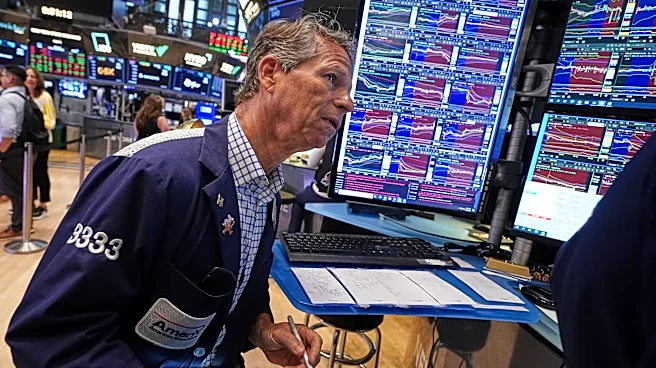
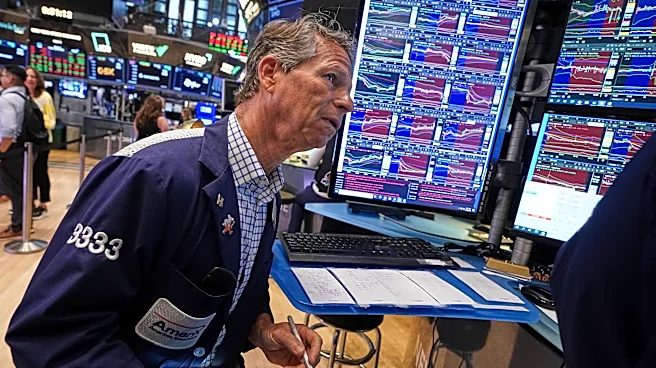
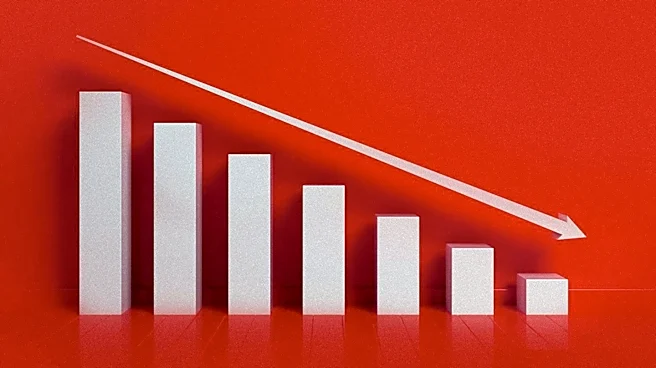
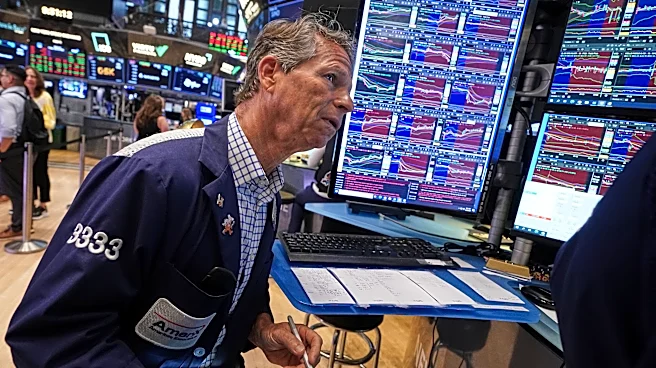
Recent U.S. data indicates a slowdown in job growth for June, with only 57,000 jobs added compared to the expected 110,000. This development has led to a revision of payroll gains for the previous two months, suggesting a cooling labor market. The Federal
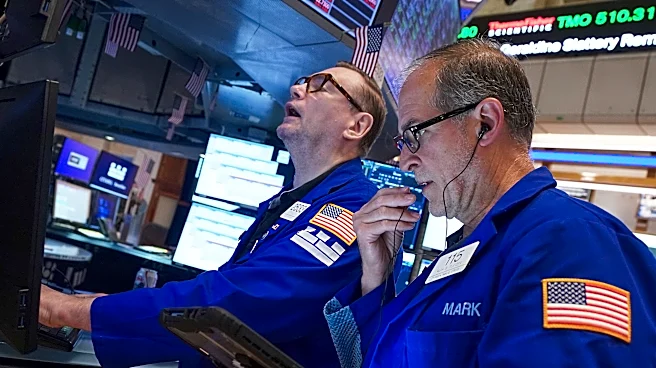
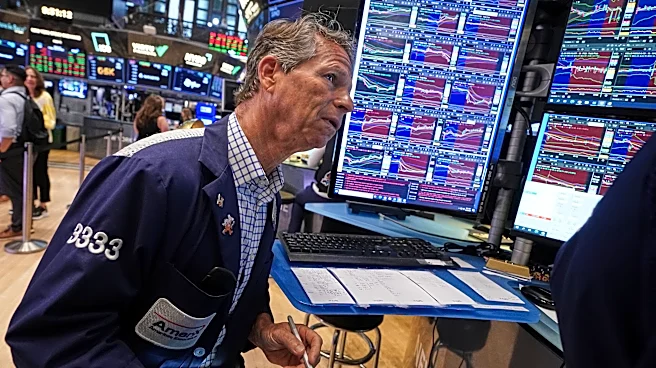
Reserve's stance on inflation and interest rates has been a focal point, with the latest job data reducing the likelihood of an imminent rate hike. The dollar index, which measures the U.S. currency against a basket of others, fell by 0.52%, marking its most significant drop in two months. This decline was accompanied by a strengthening of the euro and Japanese yen against the dollar. The stock market showed mixed reactions, with the S&P 500 ending flat, the Nasdaq Composite falling, and the Dow Jones Industrial Average reaching a record high.
Why It's Important?
The slowdown in job growth and the subsequent impact on interest rate expectations are significant for the U.S. economy. A cooling labor market may alleviate some inflationary pressures, potentially influencing the Federal Reserve's monetary policy decisions. The decline in the dollar's value could affect international trade and investment, as a weaker dollar makes U.S. exports more competitive but increases the cost of imports. The mixed performance in the stock market reflects investor uncertainty about the future economic outlook. Companies reliant on consumer spending and borrowing may benefit from lower interest rates, while those dependent on imports could face higher costs.
What's Next?
The Federal Reserve's next steps will be closely watched, as any changes in interest rate policy could have widespread implications for the economy. Investors and businesses will be monitoring upcoming economic data releases to gauge the health of the labor market and inflation trends. The potential for further adjustments in monetary policy could influence market dynamics, including currency valuations and stock market performance. Additionally, geopolitical developments, such as ongoing negotiations between Iran and the U.S., may also impact economic conditions.