



What's Happening?
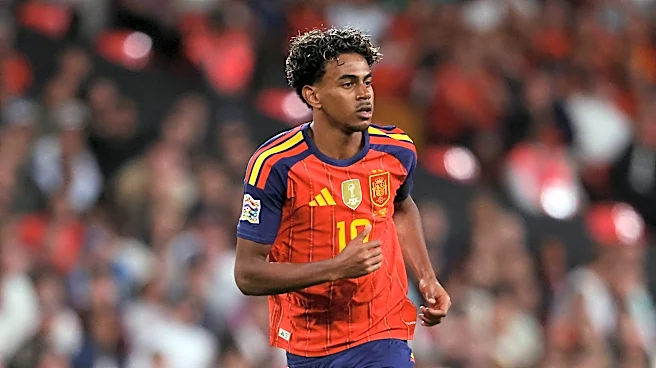
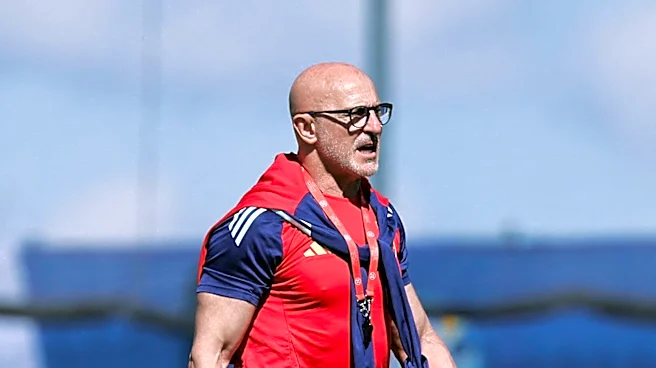
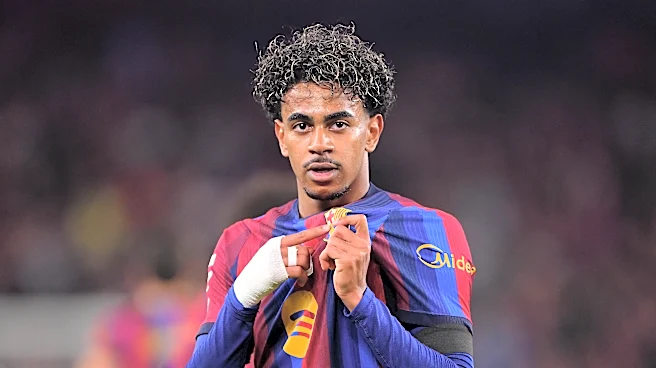
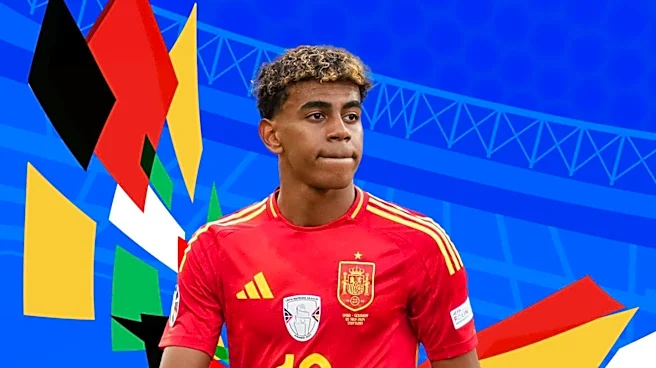
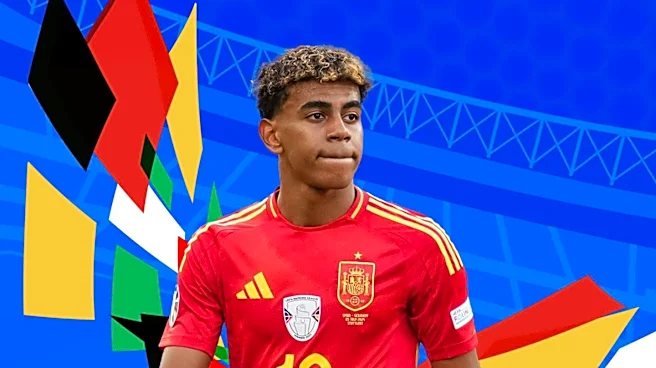
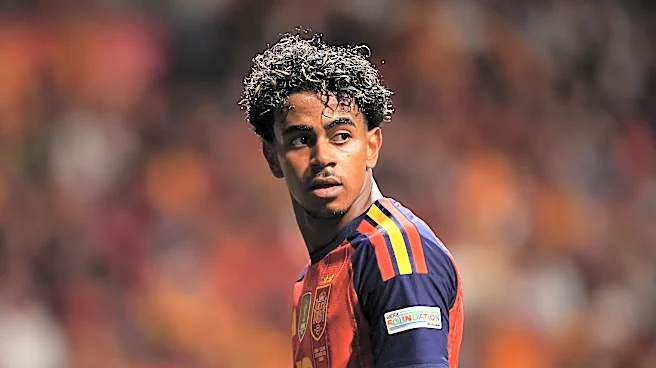
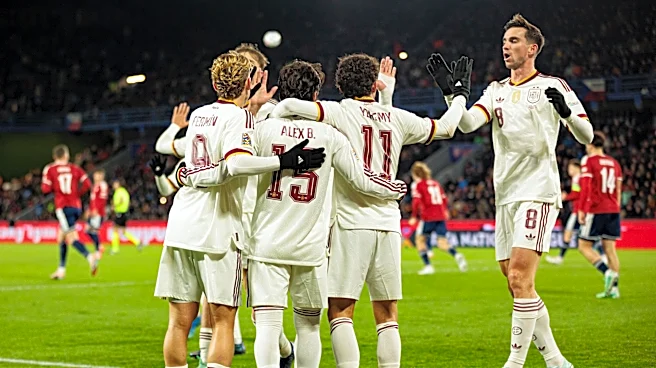
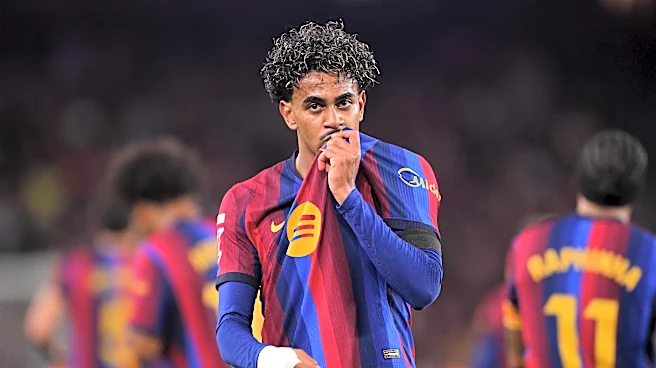
Spain's national football team head coach, Luis de la Fuente, has publicly denied the existence of racism in Spain, despite claims from La Liga stars Lamine Yamal and Vinicius Jr that they have repeatedly faced racist abuse in the country. De la Fuente made
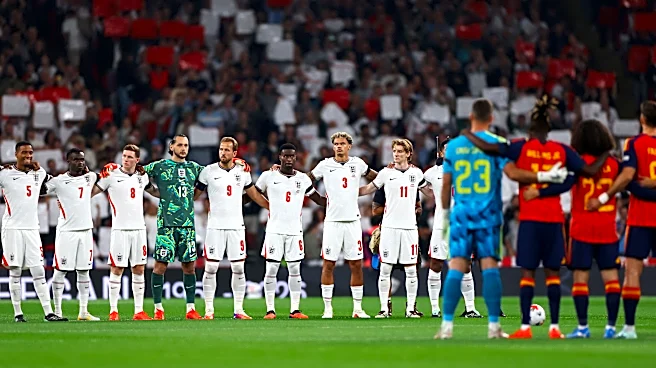
these remarks ahead of a UEFA Nations League match, stating, 'In Spain, there is no racism.' This denial comes weeks after FIFA sanctioned Spain due to Islamophobic chants by supporters during a match against Egypt, and after Lamine Yamal, a Muslim player, admitted to experiencing racism 'a thousand times.' Vinicius Jr has also been a frequent target of racist abuse, leading to emotional public statements and international outcry. The Spanish team is set to play its next home friendly with reduced capacity as part of FIFA's punishment.
Why It's Important?
The ongoing controversy surrounding racism in Spanish football highlights a significant societal and ethical challenge that extends beyond the sports arena. The denial of racism by a prominent national figure like Luis de la Fuente, despite direct testimonies from players and official sanctions from FIFA, underscores a potential disconnect between official narratives and lived experiences. This situation could impact Spain's international reputation, particularly in the context of global sportsmanship and human rights. For players like Yamal and Vinicius Jr, the persistence of racist abuse, coupled with perceived inaction or denial from authorities, can have profound psychological effects and may influence their careers and advocacy efforts. The FIFA sanctions and player statements also put pressure on Spanish football authorities to implement more effective anti-racism measures and foster a more inclusive environment.
What's Next?
The Spanish football federation and La Liga will likely face continued scrutiny regarding their efforts to combat racism. The upcoming matches, particularly those with reduced capacity due to FIFA sanctions, will be closely watched for any further incidents. Players like Lamine Yamal and Vinicius Jr are expected to continue using their platforms to speak out against discrimination, potentially galvanizing further support from fellow athletes and international organizations. The statements from coaches and officials will also be under intense examination, with calls for more proactive and empathetic responses to allegations of racism. The broader conversation about racism in European football, and society at large, is expected to intensify, potentially leading to new policies or educational initiatives aimed at addressing the issue.
Beyond the Headlines
The debate over racism in Spanish football reflects a deeper societal issue concerning how countries acknowledge and address systemic discrimination. De la Fuente's denial, while potentially aimed at defending his country's image, inadvertently highlights the challenge of confronting uncomfortable truths about prejudice. The experiences of Lamine Yamal, a Muslim player, and Vinicius Jr, a Black player, underscore the intersectionality of racism, where religious and racial identities can both be targets of abuse. This situation also raises questions about the effectiveness of current anti-racism protocols in sports and the responsibility of governing bodies like FIFA to enforce meaningful penalties. Ultimately, the ongoing struggle against racism in football serves as a microcosm for broader societal efforts to achieve equality and respect for all individuals, regardless of their background.