




What's Happening?
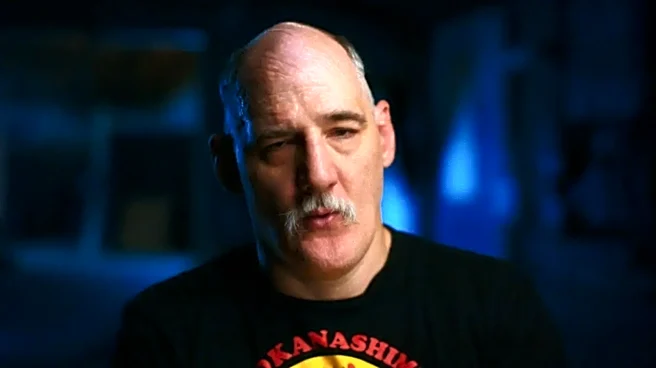
Necro Butcher, a veteran of the independent wrestling circuit known for his extreme deathmatch style, has signed a Legends/Nostalgia contract with WWE. This agreement is particularly notable because Necro Butcher, whose real name is Dylan Summers, never
competed for WWE during his active career. According to PWInsider, WWE President Nick Khan is believed to have personally spearheaded the efforts to secure this contract. This initiative reportedly mirrors a previous agreement Khan facilitated with the family of the late New Jack, another prominent figure in extreme wrestling. The contract allows WWE to establish commercial relationships with historical wrestling figures for potential merchandising, video games, audiovisual content, and other ventures. While the specific financial terms and duration of the agreement have not been disclosed, Necro Butcher confirmed the signing and expressed hope that it would open doors for other independent wrestlers who never had the opportunity to join major promotions. His career was primarily built in independent promotions like IWA Mid-South and Combat Zone Wrestling, and he recently gained renewed attention following an episode of the documentary series 'Dark Side of the Ring' focusing on his match with Samoa Joe.
Why It's Important?
This development signifies a potential shift in WWE's strategy regarding its Legends program, indicating an expanded commercial interest in recognizing and leveraging the legacies of wrestlers who built their careers outside the company's traditional roster. By signing figures like Necro Butcher, who never performed for WWE, the company could tap into a broader fan base and a different segment of wrestling history, particularly the independent and extreme wrestling scenes. This move could also set a precedent for future agreements with other independent wrestling icons, potentially offering them recognition and financial opportunities they might not have otherwise received. For the wrestling industry, it highlights the growing value of diverse wrestling histories and the potential for mainstream promotions to acknowledge and integrate talent from various backgrounds. It also underscores the influence of key executives like Nick Khan in shaping the company's talent relations and commercial ventures, potentially broadening WWE's appeal and revenue streams beyond its traditional scope.
What's Next?
While the contract does not necessarily mean Necro Butcher will debut as a wrestler in WWE, it opens the door for various projects related to his image and legacy. Discussions about potential future projects are ongoing, though Summers has indicated he is taking a cautious approach. The agreement could lead to new merchandising opportunities, appearances in video games, or involvement in documentary content that explores his unique career. The success of this partnership could influence WWE's future decisions regarding other independent wrestling veterans, potentially leading to more such contracts. The wrestling community will likely watch closely to see how WWE utilizes Necro Butcher's image and what impact this has on the broader recognition of independent wrestling history within mainstream promotions. This could also prompt other wrestling organizations to re-evaluate their own approaches to honoring and monetizing the legacies of non-traditional talent.
Beyond the Headlines
The signing of Necro Butcher by WWE, largely attributed to Nick Khan, carries deeper implications for the cultural narrative of professional wrestling. It challenges the long-standing perception that only wrestlers who performed within major promotions like WWE are deemed 'legends.' By embracing a figure from the extreme independent circuit, WWE is implicitly acknowledging the diverse and often overlooked contributions of wrestlers who forged their paths outside the mainstream. This could lead to a more inclusive historical record of wrestling, recognizing the artistry and impact of various styles and promotions. Ethically, it raises questions about the belated recognition of talent, as many independent wrestlers struggle for financial stability and recognition throughout their careers. This move could be seen as a step towards rectifying some of those historical oversights, offering a form of validation and financial benefit to those who contributed significantly to the sport but were previously excluded from mainstream accolades. It also highlights the evolving nature of wrestling fandom, where appreciation for independent and 'hardcore' wrestling has grown, influencing the commercial decisions of major companies.