

What's Happening?
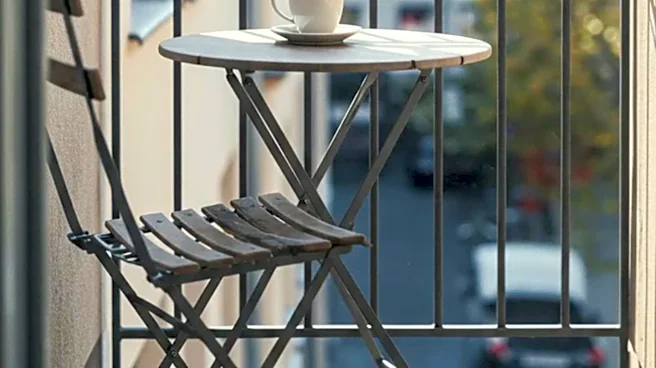
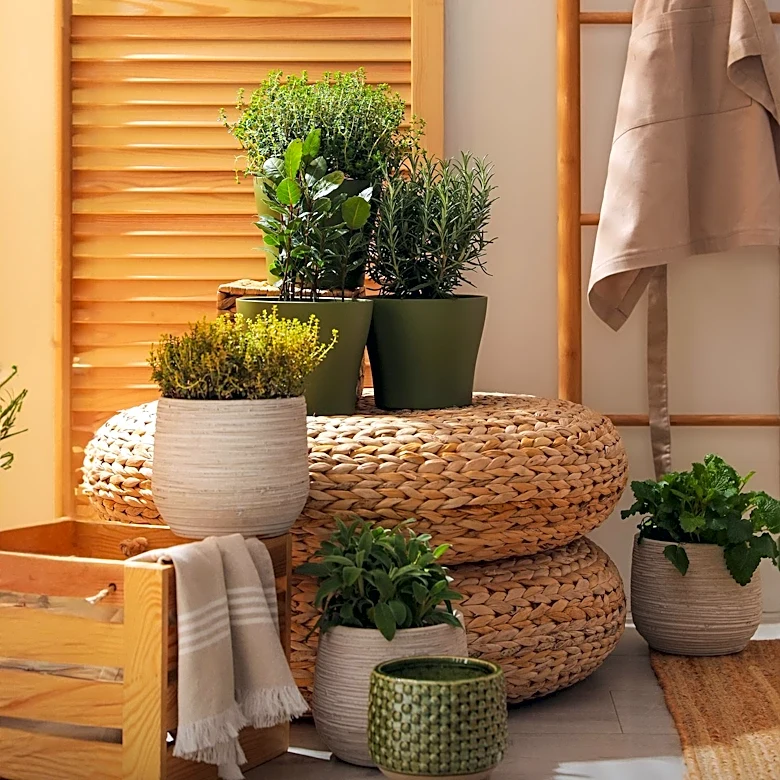
Various design strategies are being employed to transform narrow apartment balconies into functional and aesthetically pleasing spaces. These ideas focus on maximizing limited square footage through smart furniture choices, vertical gardening, and strategic
decor. Foldable bistro sets and slim storage benches are popular for providing seating and storage without cluttering the walkway. Rail-mounted coffee bars and hanging egg chairs offer unique seating solutions that keep floor space open. Vertical garden walls, ladder shelves for plants, and hanging plants are utilized to bring greenery upwards, creating a lush environment without sacrificing floor area. Privacy is addressed with bamboo screens or climbing vines on trellises. Lighting, such as string lights and lanterns, is used to create ambiance, especially in the evenings. Design themes range from bold and modern with matte black walls and sleek metal details to cozy and bohemian with colorful cushions and woven furniture, and even minimalist Scandinavian styles with light wood and soft textiles. The emphasis is on creating a personalized retreat that feels larger and more inviting.
Why It's Important?
The focus on optimizing narrow apartment balconies is significant for urban dwellers, as these small outdoor spaces often represent the only private outdoor access available. By transforming these areas, residents can enhance their quality of life, providing a much-needed connection to the outdoors for relaxation, dining, or even work. This trend impacts the furniture and home decor industries, driving demand for compact, multi-functional, and weather-resistant outdoor products. It also influences interior design practices, encouraging creative solutions for small spaces. For real estate, well-designed balconies can increase the attractiveness and perceived value of apartment units. The ability to create a personalized outdoor haven can improve mental well-being by offering a space for mindfulness, gardening, or simply enjoying fresh air, which is crucial in dense urban environments. This movement underscores a broader shift towards making every inch of living space count and adapting design to modern urban lifestyles.
What's Next?
The market for small-space outdoor solutions is likely to see continued innovation, with manufacturers developing more modular, customizable, and smart furniture options for narrow balconies. Expect to see an increase in integrated lighting, heating, and even automated plant care systems designed specifically for compact outdoor areas. The trend towards sustainable and eco-friendly materials will also grow, with a focus on recycled, reclaimed, and durable options that can withstand various weather conditions. Retailers may offer more curated collections of balcony-specific decor and furniture, making it easier for consumers to find coordinated pieces. Additionally, as remote work continues to be prevalent, there might be a rise in demand for balcony designs that incorporate functional workspaces, such as floating desks or compact outdoor offices. Design services specializing in small outdoor spaces will also likely expand, offering tailored solutions to maximize both utility and aesthetic appeal for apartment residents.
Beyond the Headlines
The emphasis on narrow apartment balcony makeovers reflects a deeper societal value placed on personal space and connection to nature, even within highly urbanized settings. This trend highlights the psychological need for outdoor access, which can significantly impact mental health and overall well-being. Ethically, the accessibility of affordable and durable small-space outdoor solutions is important to ensure that these benefits are not limited to higher-income individuals. Environmentally, promoting vertical gardening and container planting on balconies contributes to urban greening efforts, potentially improving local air quality and supporting biodiversity. Culturally, these personalized balconies can become expressions of individual style and creativity, fostering a sense of community among residents who share similar design interests. The long-term implication is a redefinition of what constitutes a complete living space, where outdoor areas, no matter how small, are considered essential components rather than mere afterthoughts, influencing future architectural and urban planning to prioritize integrated indoor-outdoor living.