


What's Happening?
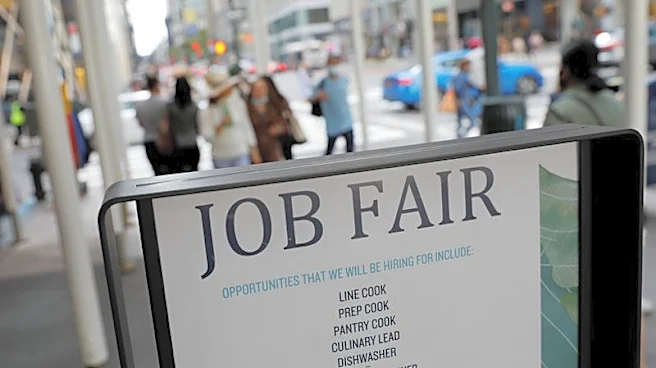
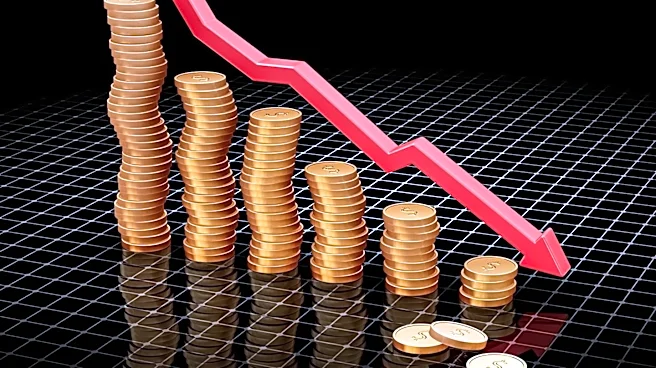
The U.S. economy unexpectedly lost 23,000 jobs in July, according to the Bureau of Labor Statistics. This decline, coupled with downward revisions for May and June, signals a weakening job market. The unemployment rate fell to 4.1%, primarily due to a significant
number of people leaving the workforce. Sectors such as restaurants, retail, and local government saw job cuts, while healthcare and construction experienced modest gains. Wage growth has slowed, with a 3.2% increase over the past year, failing to keep pace with rising inflation, particularly in energy prices.
Why It's Important?
The job market's downturn poses challenges for the Federal Reserve, which is balancing efforts to control inflation with maintaining economic stability. The decline in job openings and wage growth affects consumer confidence and spending power, potentially slowing economic recovery. The situation complicates the Fed's decision-making on interest rates, as raising rates could further impact employment while failing to address inflation could erode purchasing power.
What's Next?
The Federal Reserve will need to carefully assess its monetary policy approach in light of the softening job market. Policymakers may become more cautious about raising interest rates, which were previously anticipated to increase in September. The economic outlook will depend on the Fed's actions and the broader global economic environment, including ongoing geopolitical tensions.