



What's Happening?
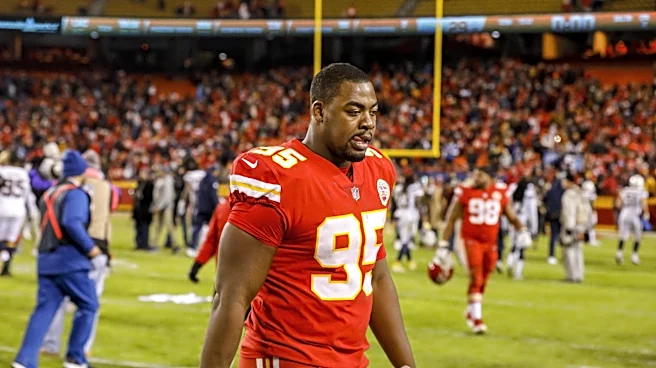
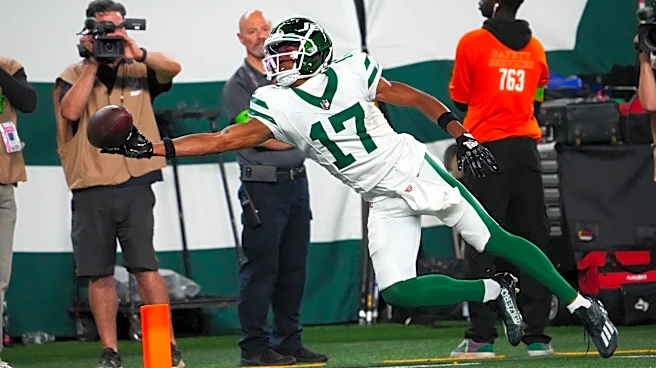
The Kansas City Chiefs have elevated defensive tackle Marcus Harris from their practice squad for their upcoming game against the New York Jets. This marks Harris's third elevation of the season. Under NFL rules, a player can only be elevated from the practice squad three
times in a single season. If the Chiefs wish for Harris to play in any subsequent games, they will be required to sign him to the 53-man active roster. This move comes as the Chiefs face injuries on their defensive line, with rookie Peter Woods ruled out due to a neck injury and Omarr Norman-Lott remaining on the Physically Unable to Perform (PUP) list. Harris, a second-year player who entered the NFL as a seventh-round pick in the 2024 NFL Draft, has recorded one tackle this season against the Broncos in Week 1. The Chiefs' defensive line has been seeking additional pressure throughout the season, particularly from the interior, making Harris's elevation a strategic decision to bolster their defensive front.
Why It's Important?
This elevation is significant for the Kansas City Chiefs as it highlights their ongoing challenges and strategic adjustments on the defensive line. With key players like Peter Woods and Omarr Norman-Lott sidelined, the team is relying on practice squad members to fill critical gaps. The rule limiting practice squad elevations to three per season means the Chiefs will soon face a decision regarding Harris's long-term status. If he performs well against the Jets, the team will need to weigh the benefits of signing him to the active roster against potential salary cap implications and roster spot availability. This situation underscores the importance of depth in the NFL, particularly for teams with Super Bowl aspirations, as injuries can quickly deplete key positions. The performance of elevated players like Harris can directly impact game outcomes and influence future roster moves, affecting the team's overall competitiveness.
What's Next?
Following the game against the New York Jets, Marcus Harris will automatically revert to the practice squad. However, since this is his third elevation, the Chiefs will need to make a definitive decision about his future with the team if they intend for him to play again this season. They could sign him to the 53-man active roster, which would require clearing a spot for him, or they could opt to elevate a different player from the practice squad for future games. The team's ongoing need for interior defensive line pressure, especially with current injuries, suggests that Harris's performance against the Jets will be closely scrutinized. His ability to contribute effectively could lead to a more permanent role on the active roster, impacting the Chiefs' defensive strategy and personnel decisions for the remainder of the season.
Beyond the Headlines
The Chiefs' situation with Marcus Harris reflects a broader trend in the NFL where practice squad players are increasingly vital for team success, especially in managing injuries and maintaining depth throughout a demanding season. The NFL's practice squad elevation rules, designed to provide flexibility, also create strategic dilemmas for teams. Deciding whether to commit a 53-man roster spot to a player who has exhausted their elevations involves evaluating immediate needs, long-term potential, and the opportunity cost of other available players. This dynamic highlights the intricate balance NFL front offices must strike between short-term tactical adjustments and long-term roster management, emphasizing the value of every player on the extended roster in the pursuit of championship contention.