
What's Happening?
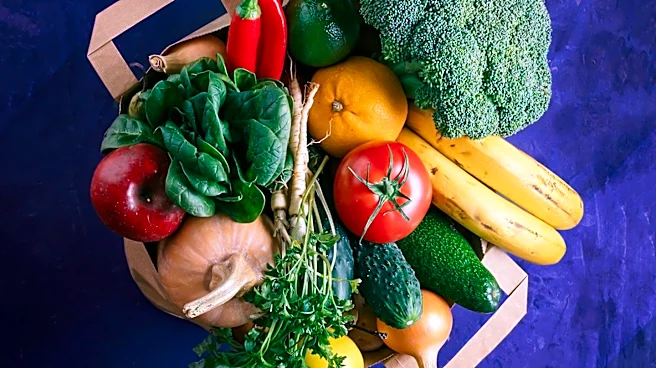
Getcho, a grocery delivery service, has expanded its nationwide coverage for specialty grocery items, offering same-day delivery across the United States. The service is designed to cater to various types
of grocers, including organic, imported foods, and gourmet markets, regardless of their location in major metropolitan areas, mid-size cities, or coastal towns. A key feature of Getcho's offering is its direct integration with Shopify, which allows online grocery stores to automatically dispatch orders for same-day delivery. This integration enables customers to see a local delivery option at checkout, streamlining the fulfillment process for grocers without requiring manual coordination. Getcho also supports Shopify POS for in-store purchases that require delivery. The company emphasizes short transit times for perishable goods, utilizing a fast fleet and providing specific handling instructions to drivers, along with proof-of-delivery photos for customers. Additionally, Getcho offers branded tracking pages, real-time updates via SMS and email, and the ability to store customer profiles and dietary preferences for recurring orders.
Why It's Important?
This expansion and technological integration by Getcho are significant for the U.S. specialty grocery market. By offering nationwide same-day delivery and seamless Shopify integration, Getcho addresses critical logistical challenges faced by smaller, specialized grocers who may lack the infrastructure for efficient delivery. This service democratizes access to a broader customer base for these businesses, allowing them to compete more effectively with larger retailers. The focus on short transit times and specialized handling for perishable items is crucial for maintaining product quality, which is a primary concern for specialty food consumers. Furthermore, the ability to save customer profiles and preferences enhances the personalized shopping experience, fostering customer loyalty and repeat business. This development could lead to increased sales and market reach for specialty grocers, potentially stimulating growth in a niche but valuable segment of the food industry across various U.S. regions.
What's Next?
Looking ahead, the enhanced capabilities offered by Getcho are likely to encourage more specialty grocers to adopt or expand their online delivery services. The direct integration with Shopify could become a standard expectation for e-commerce platforms catering to food businesses. We can anticipate an increase in competition within the specialty grocery delivery sector, potentially leading to further innovations in delivery speed, cost-efficiency, and customer service. Grocers utilizing Getcho's service will likely focus on optimizing their online storefronts and inventory management to fully leverage the delivery infrastructure. There may also be a trend towards more personalized delivery options and subscription models as customer data is utilized more effectively. The success of this model could also influence larger grocery chains to refine their own specialty delivery offerings or explore partnerships with similar logistics providers to maintain their competitive edge.
Beyond the Headlines
The broader implications of Getcho's service extend to the evolving landscape of consumer behavior and local economies. The convenience of nationwide same-day delivery for specialty items could shift consumer purchasing habits, making unique and high-quality products more accessible to individuals outside of major urban centers. This could, in turn, support local and artisanal food producers by expanding their market reach beyond geographical limitations. Ethically, the emphasis on proper handling of perishable goods and transparent tracking builds trust between consumers, grocers, and the delivery service. Environmentally, the optimization of delivery routes and efficient fleet management could contribute to reducing the carbon footprint associated with individual shopping trips. Culturally, it could foster a greater appreciation for diverse and specialized food products across the U.S., as access becomes less of a barrier. This trend highlights a move towards hyper-convenience and customization in the retail sector, driven by technological advancements in logistics.