





What's Happening?
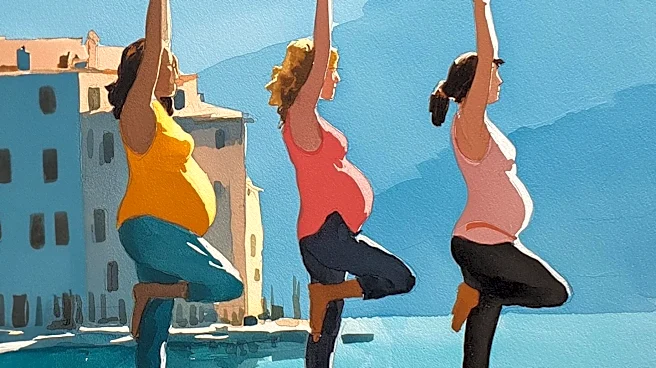
Expectant mothers are encouraged to engage in prenatal workouts that include strength training and prenatal yoga. Strength training focuses on foundational full-body movements using moderate weights, resistance bands, or bodyweight, with recommended exercises
such as goblet squats, reverse lunges, single-arm dumbbell rows, and bird dogs. Modifications are crucial, including avoiding max-effort lifts, preventing overheating, and taking longer rest periods when fatigued. Prenatal yoga is also highlighted for its benefits in easing common pregnancy discomforts, improving strength and flexibility essential for labor, fostering relaxation, and providing a community for expecting parents. It is generally safe to begin prenatal yoga anytime after the first trimester, provided there is approval from a doctor or midwife. These classes are designed to accommodate all fitness levels and can be attended by pregnant women at any stage of gestation. The overall recommendation is for about 150 minutes of moderate activity per week during pregnancy, which includes strength training.
Why It's Important?
Engaging in appropriate prenatal workouts is vital for the health and well-being of both the mother and the baby. Regular physical activity during pregnancy can significantly reduce the risk of common complications such as gestational diabetes, high blood pressure, and preeclampsia by up to 40%. Strength training helps mothers adapt to their changing bodies, supporting posture and weight distribution, which can alleviate common discomforts like back and hip pain. Prenatal yoga contributes to mental well-being by promoting relaxation and reducing stress, while also physically preparing the body for the demands of labor and delivery through improved flexibility and strength. The social aspect of prenatal yoga classes also provides a supportive network for expectant mothers, which can be crucial for emotional health during pregnancy. Adhering to these exercise guidelines can lead to a healthier pregnancy journey and potentially a smoother recovery postpartum.
What's Next?
Expectant mothers considering prenatal workouts should first consult with their doctor or midwife to ensure there are no contraindications and to receive personalized guidance. Once cleared, they can begin incorporating strength training and prenatal yoga into their routine, adjusting intensity and exercises as their pregnancy progresses through each trimester. For instance, modifications in the second trimester include shifting to single-side and back-of-the-body exercises and avoiding lying flat on the back after 20 weeks. In the third trimester, the focus shifts to lighter weights, seated or supported positions, and pelvic-opening movements to prepare for labor. Continued emphasis will be placed on listening to one's body, avoiding overexertion, and stopping exercise if any concerning symptoms arise, such as dizziness, chest pain, or vaginal bleeding. The trend towards personalized prenatal fitness plans is likely to grow, with trainers specializing in pregnancy-safe exercises.
Beyond the Headlines
The emphasis on prenatal workouts reflects a broader shift in understanding pregnancy not as a period of inactivity, but as a time when tailored physical activity can significantly enhance maternal and fetal health. This approach challenges older notions that often advised excessive rest, highlighting the physiological benefits of maintaining strength and flexibility. Beyond the physical advantages, the mental health benefits of exercise during pregnancy, including stress reduction and improved mood, are increasingly recognized as crucial. The community aspect of prenatal yoga also addresses the social and emotional needs of expectant mothers, combating potential feelings of isolation. This holistic view of prenatal care, integrating physical, mental, and social well-being through structured exercise, underscores a progressive understanding of maternal health that empowers women to actively participate in their pregnancy journey.