


What's Happening?
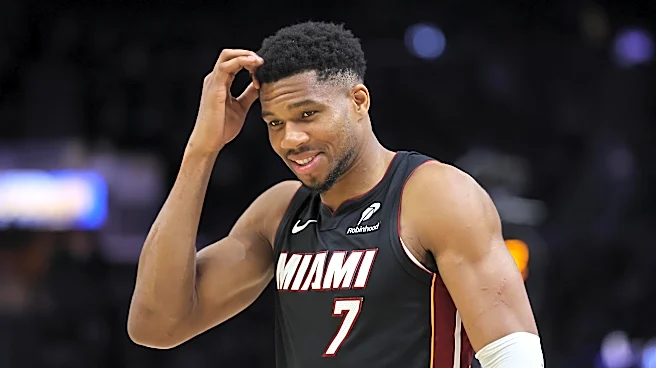
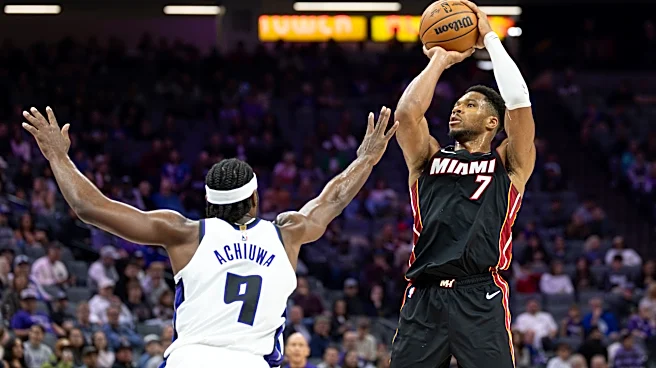
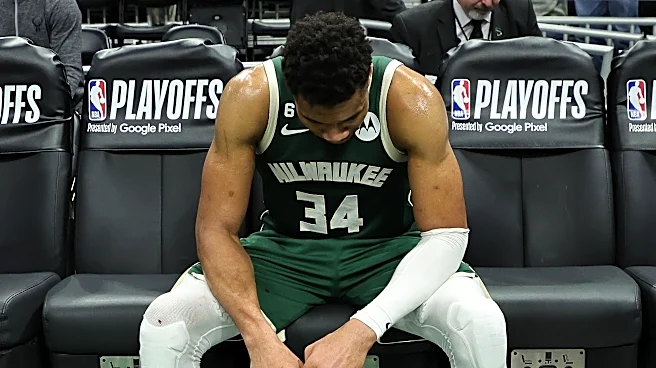
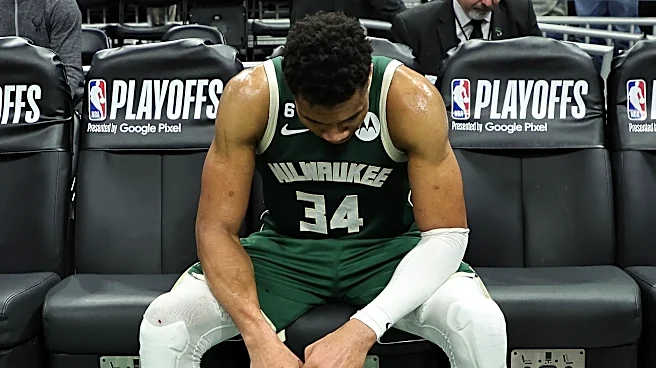
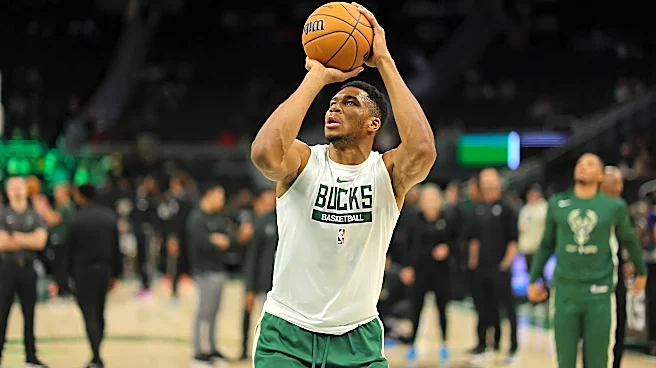
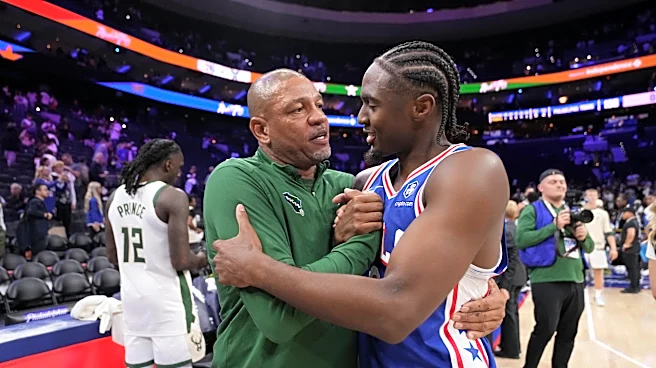
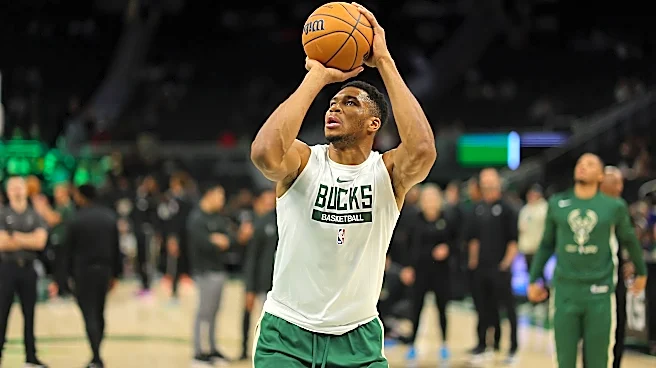
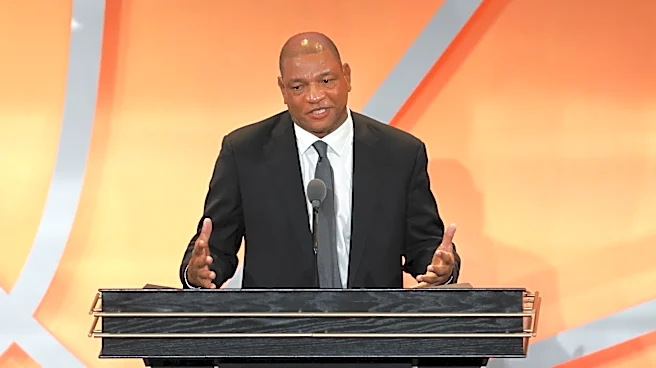
Giannis Antetokounmpo, now with the Miami Heat, has addressed recent critical comments made by his former coach, Doc Rivers. Rivers, who coached Antetokounmpo for three seasons with the Milwaukee Bucks, suggested on 'The Bill Simmons Podcast' that Antetokounmpo desired
to leave the Bucks but wanted the team's management, specifically general manager Jon Horst and owner Wes Edens, to initiate the trade rather than him directly requesting it. Rivers characterized this as a 'game that was being played.' Additionally, Rivers questioned Antetokounmpo's basketball IQ, describing him as a 'difficult guy' who primarily plays with a 'downhill, force, force' approach, despite his passing ability. Antetokounmpo expressed being 'speechless' upon hearing these remarks, stating that he would not let 'bitterness or pettiness' interfere with his goals and urged others not to do so. He emphasized his focus on his current team and personal improvement, suggesting that Rivers should be asked to explain his comments.
Why It's Important?
This public exchange between a prominent NBA player and his former coach highlights potential underlying tensions that can arise during high-profile player movements in professional sports. For the Milwaukee Bucks, Rivers' comments could be seen as an attempt to clarify the circumstances surrounding Antetokounmpo's departure, potentially influencing fan perception of the team's management and the player. For the Miami Heat, Antetokounmpo's response demonstrates his focus and resilience, which are crucial for team chemistry and performance, especially for a star player integrating into a new system. Such narratives can also impact player-coach relationships across the league, as players may become more wary of how their past coaches might publicly discuss their tenures. The discussion around Antetokounmpo's basketball IQ, coming from a respected coach, could also spark debate among analysts and fans about his playing style and strategic understanding, potentially adding pressure or motivation for him to demonstrate his capabilities on the court.
What's Next?
The immediate aftermath will likely involve continued media scrutiny of both Antetokounmpo and Rivers, with reporters pressing for further comments or clarifications. Antetokounmpo will likely continue to focus on his performance with the Miami Heat, aiming to demonstrate his value and leadership on his new team. His on-court performance will be closely watched as a response to the criticism. Rivers, now a commentator, may face questions about the timing and nature of his remarks, and whether they were appropriate given his past coaching relationship. The Milwaukee Bucks organization may choose to remain silent on the matter or issue a brief statement to support their former player or current management. This situation could also influence future interactions between Antetokounmpo and Rivers, should their paths cross in professional settings.
Beyond the Headlines
This incident delves into the complex dynamics of professional sports, particularly the unwritten codes of conduct between former players and coaches. It raises questions about the ethics of coaches publicly critiquing former players, especially regarding their character or basketball intelligence, after their professional relationship has ended. Such public disclosures can impact a player's reputation, marketability, and future relationships within the league. It also underscores the intense pressure on star athletes to manage their public image and navigate narratives surrounding their career decisions. The 'game' Rivers described, where a player desires a move but wants the team to initiate it, highlights the strategic maneuvering involved in player trades, often aimed at preserving a player's public image and avoiding the 'bad guy' label. This situation reflects the broader trend of increased transparency and commentary in sports media, where personal insights from former insiders can significantly shape public perception.