



What's Happening?
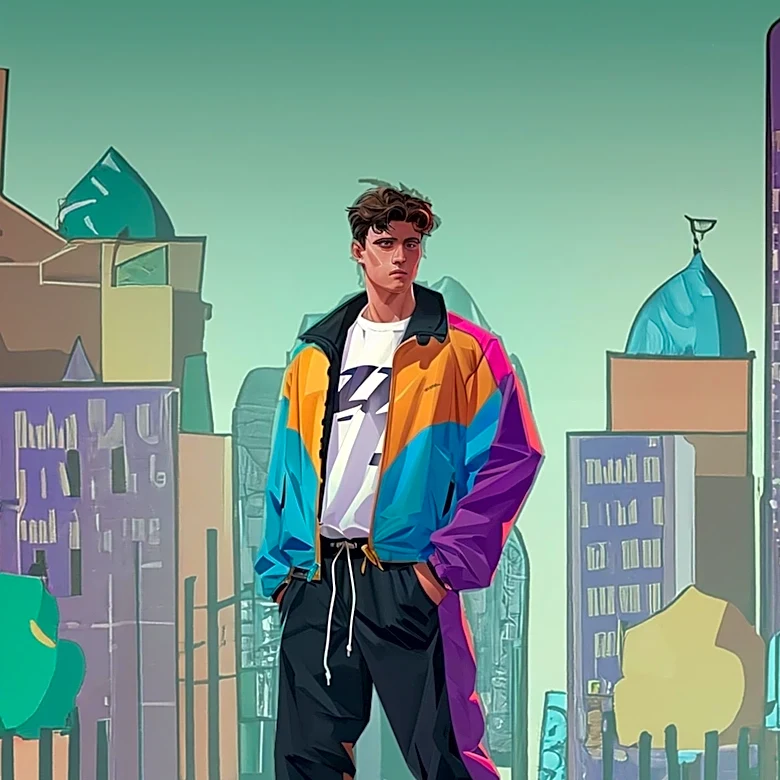
British high-street fashion retailers, including Marks & Spencer (M&S), ASOS, and Topshop, are increasingly adopting strategies traditionally associated with luxury labels. M&S recently debuted at London Fashion Week, showcasing 59 womenswear and menswear looks
inspired by its archives, with half the pieces priced under £50. The retailer also implemented a 'see now, buy now' approach, allowing immediate online and in-store purchases. ASOS appointed celebrity stylist Law Roach as its first Stylist in Residence to contribute to campaigns and styling content. Topshop, meanwhile, is expanding its physical retail presence through a partnership with John Lewis, bringing its collections to 32 stores across the UK. These moves indicate a broader effort by high-street brands to invest in runway presentations, celebrity partnerships, and curated shopping experiences to make their collections more desirable.
Why It's Important?
This strategic shift by high-street retailers has significant implications for the U.S. fashion market, as global trends often influence domestic strategies. By emulating luxury tactics, these brands aim to elevate their image, attract new customer segments, and differentiate themselves in a highly competitive retail landscape. For U.S. consumers, this could mean a more sophisticated shopping experience from accessible brands, with enhanced styling advice and potentially higher-quality or more fashion-forward offerings. For U.S. retailers, it highlights the necessity of innovation in marketing and customer engagement to remain relevant, suggesting that a blend of affordability and aspirational branding may be key to future success.
What's Next?
The success of these luxury-inspired strategies will depend on whether high-street brands can maintain their value proposition while enhancing their image. M&S's recent financial results, despite increased sales, still show challenges in profitability, indicating that marketing efforts must be supported by operational improvements. ASOS's collaboration with Law Roach aims to make professional styling accessible, while Topshop's physical expansion seeks to strengthen its market presence. U.S. retailers may observe these developments closely, potentially adopting similar hybrid strategies that combine mass-market accessibility with elements of luxury branding to attract and retain customers in an evolving retail environment.
Beyond the Headlines
The blurring lines between high-street and luxury fashion reflect a deeper consumer desire for both accessibility and aspiration. In an age where social media democratizes fashion, consumers are increasingly exposed to high-end trends and seek ways to incorporate them into their everyday wardrobes without the prohibitive price tag. This trend challenges traditional retail segmentation, pushing brands to innovate in how they present and market their products. It also raises questions about the authenticity of luxury branding and whether perceived value can be sustained through marketing alone, or if it must be consistently backed by product quality and unique design.