



What's Happening?
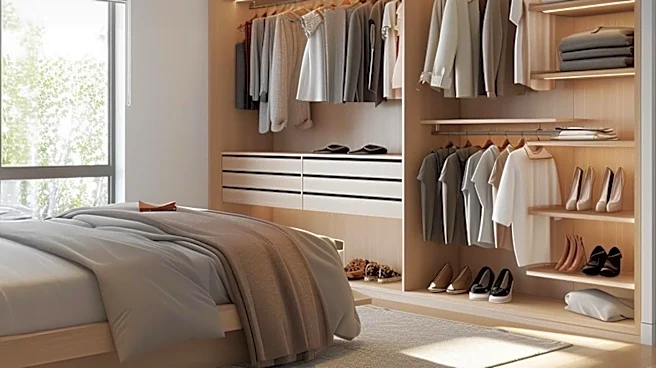
Studio apartment design is evolving to maximize functionality and comfort within limited spaces, focusing on intentional placement and clear zoning. Modern approaches incorporate smart, well-proportioned furnishings and floor-to-ceiling cabinetry. Key
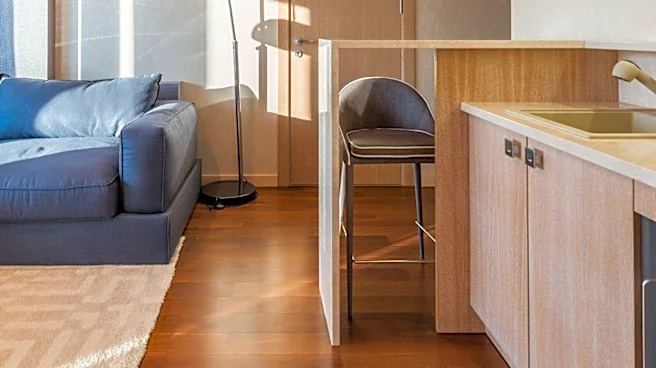
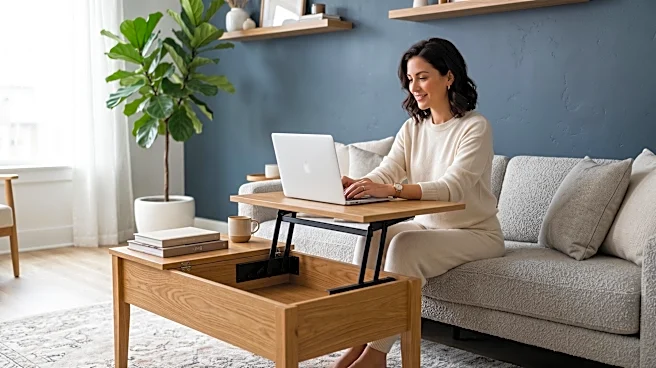
design elements include accent walls, dividers, and strategic lighting choices to create distinct areas. For instance, a teal accent wall behind a bed paired with a wood slat divider can add depth and separation without overwhelming the room. Similarly, coral curtains can warm up a space and frame a bed as a cozy alcove. Japanese-inspired designs are also influencing trends, offering unique features like balconies with garden and pool views. The emphasis is on making small spaces feel deliberate and organized, rather than cramped or chaotic. Storage solutions and multifunctional furniture are crucial for maintaining order and utility, with items like breakfast bars serving multiple purposes as counter space, physical separators, and extra seating.
Why It's Important?
The growing emphasis on intentional design in studio apartments reflects a broader trend in urban living, where smaller living spaces are becoming more common due to factors like urbanization, rising housing costs, and a preference for minimalist lifestyles. This design philosophy is important because it directly addresses the challenges of compact living, transforming potentially restrictive environments into highly functional and aesthetically pleasing homes. By optimizing space through clever layouts, multifunctional furniture, and strategic decor, residents can achieve a higher quality of life in smaller footprints. This trend impacts the real estate and interior design industries, driving innovation in furniture manufacturing, architectural solutions for small spaces, and the market for space-saving appliances and decor. It also influences consumer expectations, as more individuals seek out apartments that are not just affordable but also intelligently designed to support their daily routines and personal well-being. The ability to create distinct zones and ample storage in a studio can significantly reduce stress and enhance comfort for residents.
What's Next?
The future of studio apartment design will likely see continued innovation in smart home technology integration, modular furniture systems, and sustainable materials. As urban populations grow and the demand for efficient living spaces increases, designers and manufacturers will further explore solutions that offer flexibility and adaptability. We can expect to see more customizable built-in features, such as retractable beds, hidden storage compartments, and movable walls, allowing residents to reconfigure their living areas based on immediate needs. The integration of artificial intelligence for personalized lighting and climate control, as well as advanced air purification systems, could also become standard. Furthermore, there will be a greater focus on biophilic design, incorporating natural elements and greenery to enhance well-being in compact urban environments. The market will likely expand with more specialized design services and products tailored specifically for small-space living, catering to a diverse range of aesthetic preferences and functional requirements.
Beyond the Headlines
Beyond the immediate benefits of optimized living, the evolution of studio apartment design has deeper implications for societal norms and urban development. The acceptance and embrace of smaller living spaces challenge traditional notions of home size and ownership, potentially leading to a more sustainable and less consumerist lifestyle. This shift could foster stronger community ties as residents rely more on shared amenities and public spaces. Ethically, it raises questions about equitable access to well-designed, affordable housing in dense urban centers. Legally, it may prompt changes in building codes and zoning regulations to accommodate innovative small-space solutions. Culturally, it could redefine what constitutes a 'comfortable' or 'desirable' home, moving away from square footage as the primary measure of value. The long-term impact might include a reduction in urban sprawl, decreased energy consumption per household, and a greater appreciation for minimalist living, influencing everything from personal finance to environmental policy.