



What's Happening?
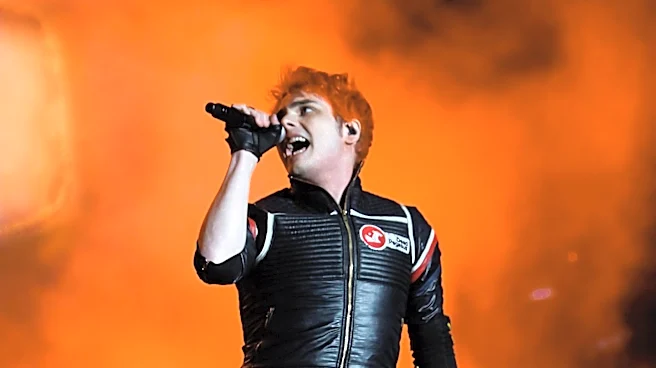
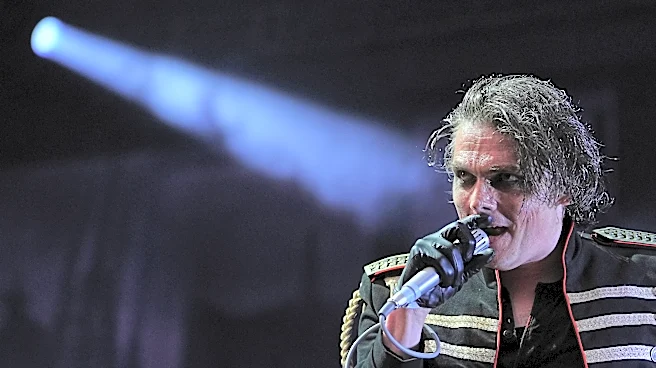
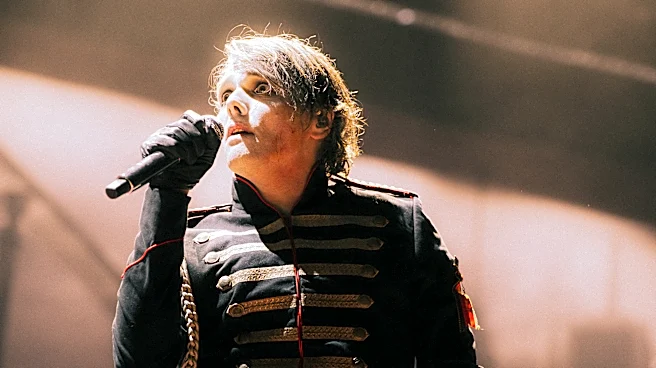
My Chemical Romance's manager, Brian Schechter, stated in new court filings that a lawsuit from the Dallas Cowboys Cheerleaders did not influence the band's decision to stop using look-alike uniforms in their performances. The cheerleaders had sued last
month, seeking a restraining order after the band's backup dancers wore similar uniforms during shows at the Hollywood Bowl, part of a dystopian rock opera celebrating the 20th anniversary of 'The Black Parade' album. Schechter asserted that the band had always planned to use the elaborate 'Finale' stage show, which included the cheerleader uniforms, for only three specific dates in October 2026, and that this decision was made nearly a year prior to the lawsuit. The case was resolved quickly, with reports suggesting the band agreed not to use the uniforms in future shows, a claim Schechter refutes as the reason for discontinuing their use.
Why It's Important?
This case highlights the complexities of intellectual property rights and artistic expression, particularly in the context of live performances. The Dallas Cowboys Cheerleaders' lawsuit aimed to protect their trademarked image, arguing that the band's use of similar uniforms could cause confusion or dilute their brand. My Chemical Romance's defense, supported by Live Nation, invoked First Amendment protections for artistic parody. The manager's statement, if true, suggests that the band's creative decisions were independent of legal pressure, raising questions about the actual impact of such lawsuits on artistic choices. This dispute underscores the ongoing tension between commercial branding and creative freedom, and how legal challenges can influence, or be perceived to influence, artistic output in the entertainment industry.
What's Next?
The lawsuit between the Dallas Cowboys Cheerleaders and My Chemical Romance, along with co-defendant Live Nation, has been dismissed. While the cheerleaders' counsel, Alex Spiro, maintains that the band 'waved the white flag,' My Chemical Romance's manager, Brian Schechter, insists the discontinuation of the uniforms was pre-planned and unrelated to the legal action. This resolution means there will be no further court proceedings regarding this specific dispute. However, the differing accounts of why the uniforms were discontinued may continue to be a point of discussion in the entertainment and legal communities, potentially influencing how similar trademark and artistic expression conflicts are approached in the future.
Beyond the Headlines
This incident delves into the broader discussion of parody and satire within artistic works and the legal boundaries surrounding them. The use of the Dallas Cowboys Cheerleaders' iconic uniform in a 'dystopian rock opera' raises questions about whether such an appropriation constitutes fair use or trademark infringement. Legal experts had suggested the cheerleaders' lawsuit faced long odds due to First Amendment protections for artistic expression. The quick resolution, despite the manager's claims of pre-planning, highlights the practical considerations and potential costs of prolonged legal battles, even when a strong defense exists. It also reflects how cultural symbols, like the Cowboys Cheerleaders' uniform, can be reinterpreted and used in new contexts, sometimes leading to clashes over ownership and meaning.