






What's Happening?
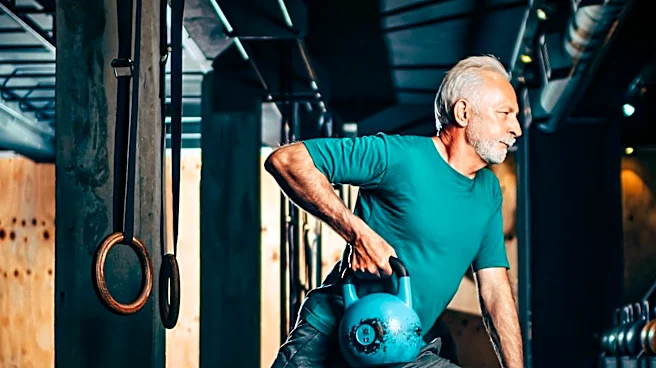
Jessica Scott, an exercise physiology researcher and director of the exercise oncology program at Memorial Sloan Kettering Cancer Center, emphasizes the importance of 'explosive power' exercises for aging individuals. These exercises, which combine speed
and strength, are crucial for maintaining muscle mass and preventing falls as people age. Scott explains that starting around age 40, individuals lose 1% to 2% of their fast-twitch muscle fibers annually, which are essential for performing forceful movements. To combat this decline, Scott recommends incorporating exercises like squat jumps, jumping jacks, and kettlebell swings into regular fitness routines. These exercises are designed to improve agility and reduce the risk of injury by enhancing the body's ability to generate force quickly.
Why It's Important?
The focus on explosive power training is significant as it addresses a common issue faced by the aging population: the loss of muscle mass and the increased risk of falls. By promoting exercises that enhance fast-twitch muscle fibers, Scott's approach offers a proactive solution to maintain physical independence and reduce healthcare costs associated with fall-related injuries. This training method not only benefits older adults but also has implications for improving overall quality of life by enabling individuals to perform daily tasks more safely and efficiently. The emphasis on such exercises could lead to broader adoption in fitness programs targeting older demographics, potentially influencing public health strategies and fitness industry offerings.
What's Next?
As awareness of the benefits of explosive power training grows, fitness professionals and healthcare providers may increasingly incorporate these exercises into programs for older adults. This could lead to the development of specialized classes and resources aimed at this demographic, fostering a more inclusive fitness environment. Additionally, further research may explore the long-term effects of explosive power training on aging populations, potentially influencing guidelines and recommendations for senior fitness. Stakeholders such as gyms, community centers, and healthcare organizations might collaborate to promote these exercises, ensuring accessibility and encouraging widespread participation.
Beyond the Headlines
The promotion of explosive power training for seniors highlights a shift in how aging and fitness are perceived. Traditionally, senior fitness has focused on low-impact activities, but this approach challenges the notion that older adults should avoid high-intensity exercises. By advocating for explosive power training, there is an opportunity to redefine aging as a period of continued physical capability rather than decline. This perspective could influence cultural attitudes towards aging, encouraging older adults to pursue more dynamic and empowering fitness routines. Additionally, it raises ethical considerations about ensuring safe and effective training environments for seniors, emphasizing the need for qualified instruction and appropriate modifications.