







What's Happening?
Despite growing interest in percussion therapy for lymphatic drainage, current clinical evidence does not support the use of massage guns as a direct replacement for Manual Lymphatic Drainage (MLD). Lymphatic drainage is a specialized treatment designed
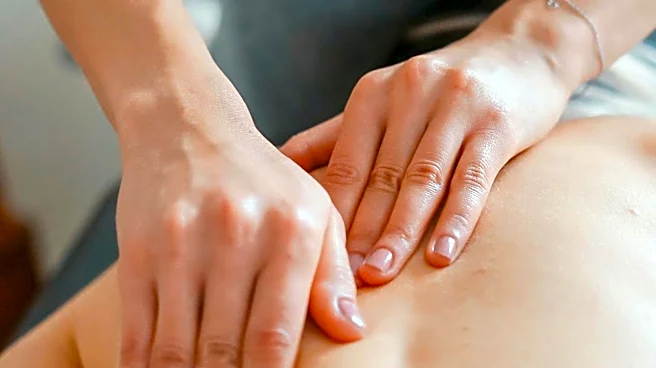
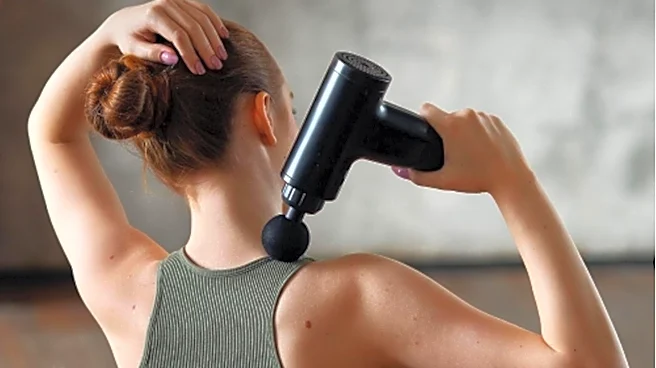
to help drain toxins to lymph nodes, primarily located in the groin, armpit, and neck areas. MLD involves gentle, rhythmic strokes that stretch the skin to stimulate superficial lymphatic vessels. In contrast, massage guns deliver rapid, localized strokes deep into soft tissue, a process known as percussion therapy. While massage guns can help with muscle soreness, stiffness, and increasing local tissue blood flow, their mechanical force is too strong for the delicate superficial lymphatic vessels, which can collapse under heavy pressure, making it counterproductive for true fluid drainage. Experts emphasize that stimulating tissue with a massage gun is not the same as guiding fluids along a specific anatomical pathway, as MLD does.
Why It's Important?
This distinction is crucial for public health and consumer safety, as the marketing of massage guns for lymphatic drainage can mislead individuals seeking effective treatment for conditions like lymphedema or general fluid retention. Misinformation can lead to improper self-treatment, potentially exacerbating existing conditions or causing new issues. For individuals with diagnosed lymphatic conditions, relying on massage guns instead of medically recommended MLD could delay appropriate care and worsen their health outcomes. The article highlights that MLD, even when performed by specialists, often needs to be integrated with other techniques like compression therapy for optimal results, underscoring the complexity of lymphatic care. Therefore, understanding the limitations of percussion therapy is vital for both consumers and wellness brands to ensure safe and effective practices, preventing the misuse of devices that are primarily designed for muscle recovery rather than delicate lymphatic system support.
What's Next?
Consumers are advised to use massage guns cautiously and only for their intended purpose of muscle recovery and general wellness, focusing on gentle settings and avoiding delicate areas like lymph node clusters. Individuals with abnormal, unexplained, or clinically diagnosed swelling, active blood clots, lymphedema, acute infections, or post-surgical edema should avoid using massage guns on affected areas without direct medical clearance. For wellness brands and product developers, clear product positioning is essential. Marketing percussion devices as tools for muscular recovery and general circulation, while highlighting adjustable speed settings and soft attachments, will build long-term product credibility. This approach will prevent overstepping into unverified medical claims regarding lymphatic drainage, ensuring that consumers receive accurate information and use these devices appropriately.
Beyond the Headlines
The proliferation of wellness technologies, like massage guns, often outpaces scientific validation, creating a gap between consumer expectations and actual efficacy. This situation underscores a broader societal challenge in distinguishing between general wellness trends and evidence-based medical treatments. The article implicitly calls for greater regulatory oversight or clearer industry standards for marketing claims related to health benefits. Ethically, companies have a responsibility to provide accurate information about their products' capabilities and limitations, especially when health is concerned. Culturally, there's a growing desire for quick, at-home solutions to complex health issues, which can make individuals vulnerable to misleading claims. This scenario highlights the importance of consulting healthcare professionals for chronic conditions and relying on established medical practices rather than unverified alternative therapies, particularly for delicate physiological systems like the lymphatic system.