






What's Happening?
Marathon Petroleum (NYSE: MPC) and Valero Energy (NYSE: VLO) stocks have seen significant gains, with Marathon Petroleum climbing 5% to $413.75 and Valero Energy rising 4% to $403.25. This surge indicates a divergence in performance between pure refining
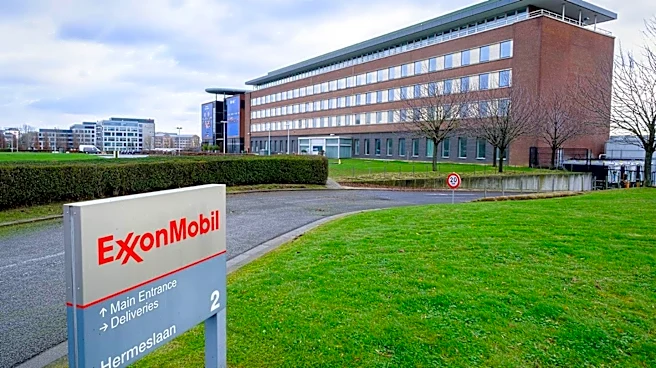
companies and integrated oil majors like Exxon Mobil (NYSE: XOM), which remained largely flat. The primary driver for this trend is the widening of fuel margins, where the price of refined products like gasoline and diesel is increasing faster than the cost of crude oil. This scenario directly benefits refiners, as crude oil is their primary input cost. The Energy Select Sector SPDR ETF (NYSEARCA: XLE), which has a significant weighting towards integrated majors, only saw a 1% gain, underscoring the specific strength in the refining segment.
Why It's Important?
This market movement highlights a critical distinction in the energy sector: the economic models of pure refiners versus integrated oil companies. Pure refiners, such as Marathon Petroleum and Valero Energy, capture the full benefit of expanding refining margins when product prices outpace crude oil costs. Their profitability is directly tied to this spread. In contrast, integrated majors like Exxon Mobil have both upstream (production) and downstream (refining) operations. While higher crude prices benefit their production segment, they simultaneously increase input costs for their refining segment, often neutralizing the overall impact on their stock performance during such market shifts. This divergence means that investors seeking to capitalize on specific market conditions, like tight diesel supply and strong refining margins, may find pure refining plays more attractive than diversified energy companies.
What's Next?
The sustainability of this trend for refining stocks will depend on the continued tightness in global diesel supply, export routes, and refining capacity. Experts suggest that current refining margins and Marathon Petroleum's earnings already reflect an enhanced mid-cycle environment expected to last through at least 2027. However, the market remains sensitive to potential shifts in these pressures. Any changes in global refining capacity, policy risks (such as export bans), or diesel demand could significantly impact the economics for refiners. Investors will need to closely monitor these factors, as a sudden break in any of these pressure points could alter the current favorable conditions for pure refining companies. The ongoing debate about whether refiners deserve to outrun integrated majors, especially given the reliance on specific policy decisions like China's fuel export status, will also shape future market sentiment.
Beyond the Headlines
The current market dynamics reveal the intricate interplay between global supply chains, geopolitical decisions, and commodity pricing. The decision by Chinese refiners to suspend October fuel exports, for instance, directly impacts global fuel availability and, consequently, refining margins. This situation underscores the vulnerability of the energy market to policy changes and regional supply disruptions. For the U.S. economy, strong refining margins can translate into higher fuel prices for consumers and businesses, potentially contributing to inflationary pressures. Conversely, it can boost the profitability of key domestic energy companies, supporting employment and investment in the sector. The long-term implications also touch upon energy security and the strategic importance of domestic refining capacity, especially in a volatile global energy landscape. The market's current preference for pure refiners over integrated majors reflects a tactical response to immediate market conditions, rather than a fundamental shift in the long-term value of diversified energy portfolios.