
What's Happening?
A class-action lawsuit has been filed against Costco Wholesale Corporation by a group of consumers, accusing the retailer of selling protein powder contaminated with toxic heavy metals without proper disclosure.
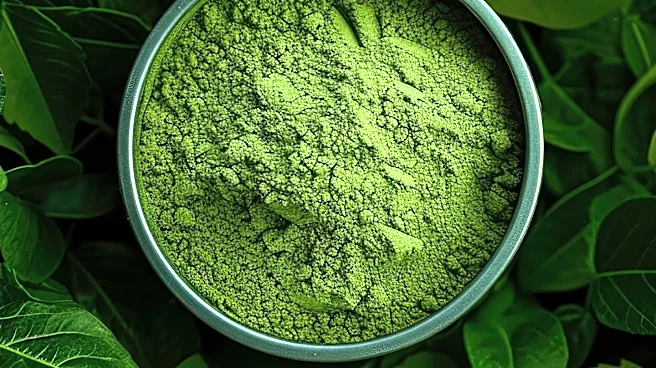
The lawsuit, filed in federal court in Washington state, involves seven plaintiffs who claim that Costco violated consumer protection and false advertising laws. The product in question is Orgain Organic Protein Powder, which the plaintiffs allege was marketed as 'high quality, clean, and nutritious' despite containing heavy metals such as lead, cadmium, and arsenic. The lawsuit argues that Costco, as a major national retailer with advanced supply-chain management, should have been aware of the contamination but failed to warn consumers. The plaintiffs cite testing by the Clean Label Project and Consumer Reports, which reportedly found detectable levels of heavy metals in the product. Costco and Orgain have not yet responded to requests for comment.
Why It's Important?
This lawsuit highlights significant concerns about food safety and consumer protection in the U.S. retail industry. If the allegations are proven true, it could lead to increased scrutiny of supply-chain practices and quality control measures among major retailers. The case underscores the potential health risks associated with heavy metal contamination in food products, which can have serious health implications for consumers. The outcome of this lawsuit could set a precedent for how retailers disclose product safety information and manage potential contaminants. It also raises questions about the effectiveness of current food safety standards and the responsibility of retailers to ensure the safety of their products.
What's Next?
The court will need to determine whether Costco was aware of the contamination and if it failed to adequately disclose this information to consumers. If the plaintiffs succeed, Costco may be required to implement more stringent testing and disclosure practices. This case could prompt other retailers to review their own supply-chain and quality control processes to avoid similar legal challenges. Additionally, regulatory bodies might consider revising guidelines to ensure better protection for consumers against potential contaminants in food products.