





What's Happening?
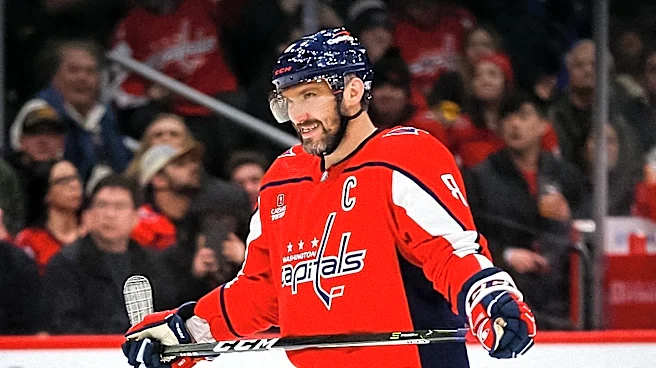
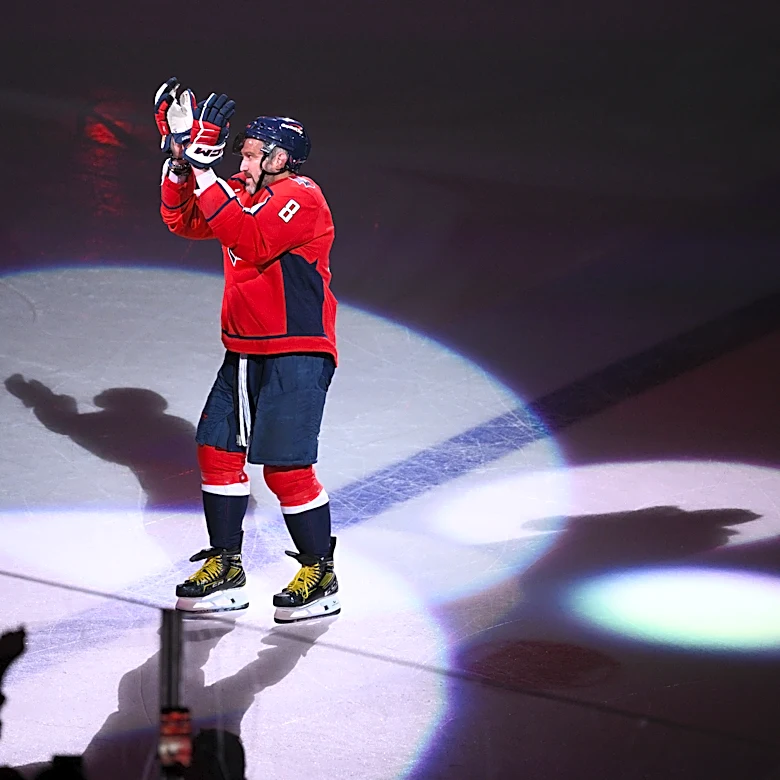
Alex Ovechkin, a prominent Russian ice hockey player, has appeared in a political campaign advertisement for Russia's United Russia party, which is aligned with President Vladimir Putin. The commercial, which began airing on Russian television by September
10, features Ovechkin alongside other notable Russians, including Foreign Minister Sergey Lavrov. This appearance occurred shortly before Ovechkin returned to the United States for his 22nd NHL season. The United Russia party has been the ruling political party in Russia for decades and serves as the primary political vehicle supporting Putin. Ovechkin's participation in the ad is consistent with his long history of publicly supporting Putin's regime, including launching and promoting the 'PutinTeam' movement ahead of Russia's 2018 presidential election. His past actions include using a photo with Putin as his Instagram avatar and receiving a wedding gift from the leader. The commercial has garnered significant attention online, including on Reddit Hockey, and has drawn criticism from figures like chef and philanthropist José Andrés.
Why It's Important?
Ovechkin's continued public support for the Putin-aligned United Russia party carries significant implications, particularly given the ongoing international scrutiny of Russia's actions, including the conflict in Ukraine. His involvement in such political messaging, especially as a globally recognized athlete, can be perceived as an endorsement of the Russian government's policies. This can create a challenging situation for the NHL and his team, the Washington Capitals, as they navigate the intersection of sports, politics, and international relations. The criticism from public figures like José Andrés highlights the potential for reputational damage and public backlash against Ovechkin and, by extension, the organizations he represents. For U.S. audiences and sports fans, it raises questions about the responsibilities of athletes regarding political endorsements, especially when those endorsements are for regimes viewed critically by the international community. The incident underscores the complexities faced by athletes with strong ties to their home countries, particularly when those countries are involved in geopolitical conflicts.
What's Next?
The Washington Capitals have not yet responded to requests for comment regarding Ovechkin's appearance in the campaign commercial. Their response, or lack thereof, will be closely watched by fans, media, and potentially the NHL. Public and media reactions are likely to continue, with discussions focusing on the appropriateness of athletes engaging in political endorsements for foreign governments, especially those under international sanctions. It remains to be seen if this incident will lead to any official statements or actions from the NHL or the Capitals, or if it will impact Ovechkin's standing with fans and sponsors in the U.S. The situation could also reignite broader debates about the role of sports figures in global politics and the expectations placed upon them by their leagues and the public. The timing of the commercial's airing, just as Ovechkin returned to the U.S. for the NHL season, ensures that the issue will remain relevant as the season progresses.
Beyond the Headlines
This incident delves into the deeper ethical and cultural dimensions of athlete endorsements and their impact on international perceptions. Ovechkin's consistent support for President Putin, even in the face of international condemnation of Russia's actions, highlights a potential clash of values between his personal loyalties and the expectations of a global sports audience. The controversy underscores the increasing difficulty for public figures to remain apolitical in a highly interconnected world, where their actions can be interpreted as endorsements of political ideologies or regimes. It also brings to light the pressure athletes may face from their home countries to participate in nationalistic campaigns. The situation could contribute to a broader re-evaluation of how sports organizations manage their athletes' political activities, particularly when those activities are perceived as controversial or in conflict with the values of their host countries or fan bases. This event serves as a reminder that the personal choices of high-profile individuals can have far-reaching implications beyond their professional fields.