

What's Happening?
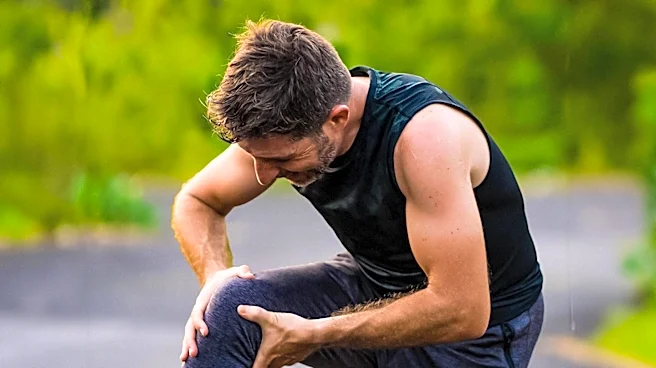
Osgood-Schlatter disease is a common condition causing knee pain in active children and adolescents, particularly during growth spurts. It involves irritation of the growth plate located just below the kneecap, where the patellar tendon attaches to the shinbone.
This irritation occurs due to repeated stress from activities like running and jumping, which are common in sports such as basketball, volleyball, and soccer. The thigh muscles pull on the patellar tendon, which in turn pulls on the tibial tubercle, a bony bump below the knee. During rapid growth, bones, muscles, and tendons are changing quickly, making this area susceptible to irritation. Symptoms typically include knee pain and tenderness at the tibial tubercle, swelling, and tight muscles in the thigh. Pain usually worsens with activity and improves with rest. While the name sounds serious, the American Academy of Orthopaedic Surgeons (AAOS) states that it is generally a harmless condition that improves with simple care.
Why It's Important?
This condition is important for parents, coaches, and healthcare providers to understand as it affects a significant portion of young athletes in the U.S. The prevalence of Osgood-Schlatter disease can impact participation in youth sports, potentially leading to frustration and reduced physical activity if not managed properly. Recognizing the symptoms and implementing appropriate care, such as rest, ice, stretching, and activity modification, can help young athletes continue their involvement in sports while minimizing discomfort. Without proper management, persistent pain could lead to a decrease in athletic performance or, in rare cases, more severe issues requiring medical intervention. Educating parents and coaches on prevention strategies, such as incorporating rest days and proper warm-ups, is crucial for the well-being and continued development of young athletes.
What's Next?
Treatment for Osgood-Schlatter disease primarily focuses on reducing pain and swelling while allowing the child to remain as active as possible. This includes icing the affected area after activities, making temporary adjustments to activity levels, and incorporating stretching and strengthening exercises for the quadriceps and hamstrings. Patellar tendon straps and knee pads can also provide relief during sports. Over-the-counter pain relievers like ibuprofen may be used to manage pain and inflammation. Symptoms typically resolve completely once a child finishes their adolescent growth spurt, usually around age 14 for girls and 16 for boys, though a bump below the knee may persist without pain. Orthopedic consultation is recommended if pain is severe, persistent, or accompanied by other concerning symptoms like limping, redness, fever, or an inability to straighten the knee.
Beyond the Headlines
Beyond the immediate physical discomfort, Osgood-Schlatter disease highlights broader issues within youth sports, such as the intensity of training schedules and the pressure on young athletes. The condition underscores the importance of balanced athletic development, emphasizing adequate rest and recovery to prevent overuse injuries. It also brings to light the need for open communication between young athletes, parents, and coaches regarding pain and discomfort, as children often do not vocalize their symptoms. The long-term implications of managing such conditions can influence a child's relationship with physical activity and sports, making early intervention and supportive care critical for fostering a healthy and active lifestyle into adulthood. The focus on non-surgical treatments also reflects a broader trend in sports medicine towards conservative management for growth-related conditions.