

What's Happening?
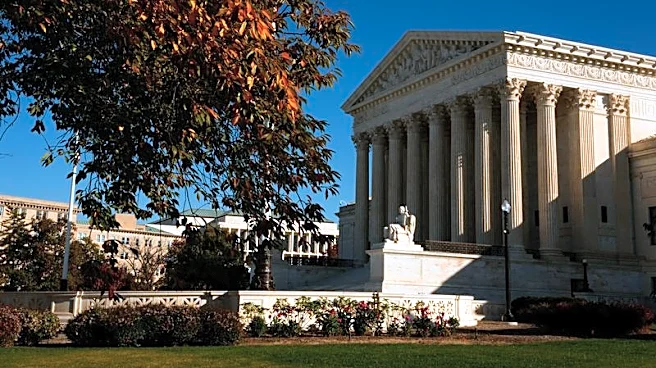
Blueprint Coffee, a specialty roaster in St. Louis, Missouri, is refunding money to its wholesale partners and customers after the U.S. Supreme Court ruled in February 2026 that tariffs imposed by President Trump's administration in August 2025 were unconstitutional.
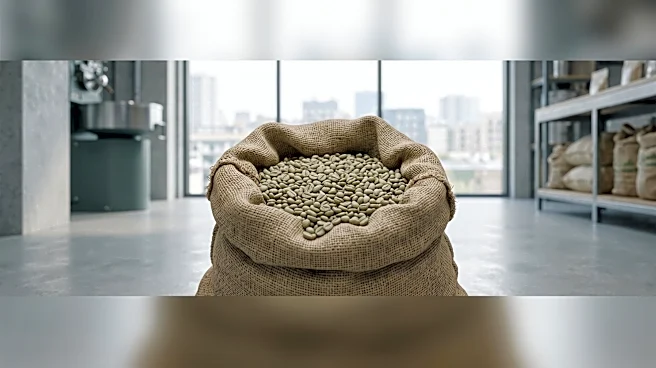
These tariffs, which initially affected green coffee imports from over 90 countries, caused a significant increase in green coffee prices and led Blueprint Coffee to raise its own prices. Although the Trump administration exempted green coffee exports from these tariffs in November 2025, the Supreme Court's subsequent ruling mandated refunds. Blueprint Coffee's Director of the Roastery, Nora Brady, stated that the company felt it was their moral obligation to return the money, believing that everyday consumers bore the brunt of the financial hit.
Why It's Important?
This action by Blueprint Coffee highlights the direct impact of U.S. trade policies on businesses and consumers, and the ethical considerations companies face when navigating such changes. The initial tariffs led to increased operational costs for roasters and higher prices for consumers, demonstrating how government policies can ripple through supply chains to affect end-users. The Supreme Court's ruling and subsequent refunds underscore the legal and economic complexities of tariff implementation. Blueprint Coffee's decision to return the funds, rather than retain them for business expenses, sets a precedent for corporate responsibility and transparency, reinforcing trust with its customer base and wholesale partners.
What's Next?
Blueprint Coffee has implemented a system of customized coupons and discounts to return the tariff refunds to its diverse customer base. This includes higher-tier coupons for frequent retail customers and a planned increase from 5% to 10% discount codes for wholesale and online partners. The company's approach ensures that the refunds are distributed equitably based on purchasing habits and tariff impact. Other businesses affected by the unconstitutional tariffs may follow Blueprint Coffee's example, leading to similar refund initiatives across various industries. This situation could also prompt a re-evaluation of how tariffs are implemented and challenged in the future, emphasizing the importance of legal oversight and consumer protection.
Beyond the Headlines
The story of Blueprint Coffee extends beyond a simple refund; it touches upon the broader themes of corporate ethics, consumer advocacy, and the role of the judiciary in economic policy. The company's decision to prioritize its customers' financial well-being over its own operational needs reflects a commitment to its values and a recognition of the consumer's burden. This event could foster greater scrutiny of tariff policies and encourage businesses to be more transparent about pricing adjustments related to trade regulations. It also underscores the power of legal challenges in overturning policies deemed unconstitutional, providing a mechanism for redress when economic measures disproportionately affect the public.