





What's Happening?
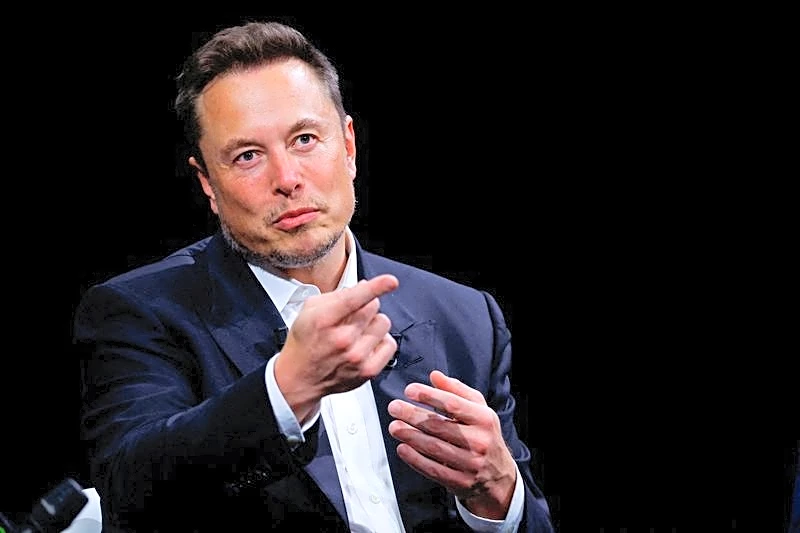
Early Uber investor Jason Calacanis has predicted that Alphabet’s Waymo will acquire either Lucid Group or Rivian Automotive. This prediction comes as Waymo faces scrutiny over its reliance on Chinese-made vehicles for its expanding robotaxi fleet. Calacanis highlighted
that using Chinese-made vehicles presents significant cost and reputational challenges for Waymo, citing tariffs, national security concerns, and negative public perception. He specifically mentioned a New York Post report indicating Waymo's order of thousands of Chinese-made Zeekr vehicles, which are part of China’s Geely group, to expand its U.S. fleet. Calacanis believes that while not illegal currently, the tariffs and political concerns make this arrangement unsustainable and not cost-effective for Waymo. U.S. vehicle rules are set to restrict certain Chinese software and sales by Chinese-controlled vehicle manufacturers starting with model year 2027, with further restrictions on connectivity hardware by 2030.
Why It's Important?
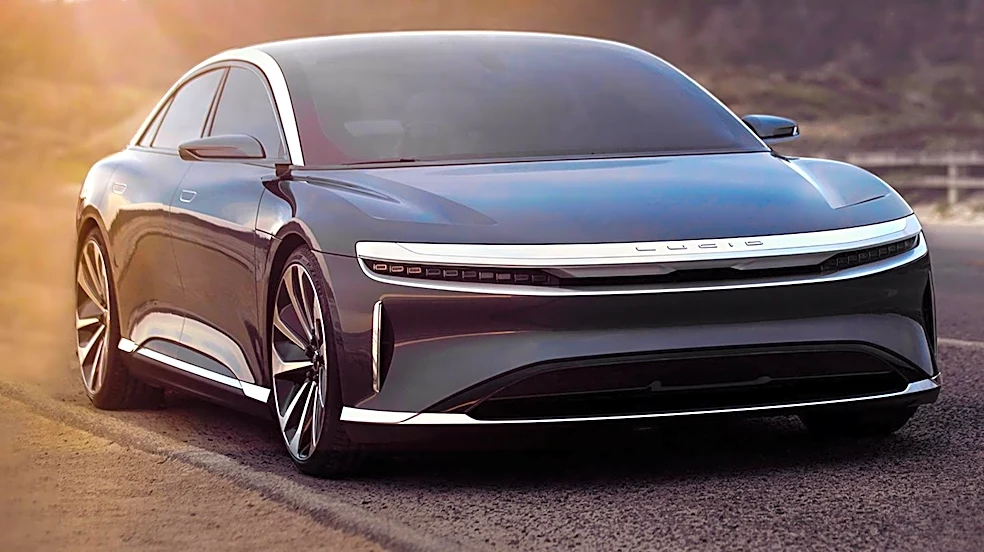
This prediction underscores the growing geopolitical and economic tensions impacting the U.S. automotive and technology sectors, particularly in the burgeoning autonomous vehicle market. Waymo's potential acquisition of a U.S.-based EV manufacturer like Lucid or Rivian would address concerns about supply chain security and national interests, especially given the upcoming U.S. vehicle restrictions on Chinese-made components and software. For Lucid and Rivian, such an acquisition could provide a significant financial boost and a clear path to scaling their vehicle platforms for robotaxi services, a sector where Uber has already committed substantial investments. The move would also consolidate the autonomous driving space, potentially accelerating the deployment of robotaxi services in the U.S. and intensifying competition with other players like Tesla. The 'optics' of using Chinese vehicles, as Calacanis noted, reflect broader public and political anxieties about foreign influence in critical infrastructure and technology.
What's Next?
Waymo is reportedly planning a significant expansion, aiming to increase its fleet from approximately 4,000 vehicles to 8,000 by the end of 2026 and 20,000 by the end of 2027. This expansion, coupled with the impending U.S. vehicle restrictions on Chinese-made components, suggests that Waymo will need to secure a reliable and domestically acceptable vehicle platform. An acquisition of Lucid or Rivian would provide Waymo with a U.S.-based manufacturing solution, potentially mitigating future regulatory hurdles and public relations issues. Both Lucid and Rivian are already engaged in partnerships with Uber for robotaxi services, indicating their readiness and suitability for large-scale autonomous fleet deployment. The coming years will likely see increased consolidation in the autonomous driving sector as companies vie for market share and navigate complex geopolitical landscapes.
Beyond the Headlines
The potential acquisition highlights a deeper trend of strategic realignment in the U.S. technology and automotive industries, driven by national security concerns and the desire for domestic supply chain resilience. The 'Made in America' sentiment is gaining traction, influencing investment decisions and corporate strategies, particularly in advanced technological fields like autonomous vehicles. This situation also brings to light the ethical and security implications of deploying foreign-made autonomous vehicles, raising questions about data privacy, potential surveillance, and control over critical transportation infrastructure. The push for domestic sourcing could foster innovation and job creation within the U.S., but it also risks increasing costs and potentially slowing down the adoption of new technologies if suitable domestic alternatives are not readily available or competitive. The long-term impact could reshape global automotive manufacturing and supply chains, emphasizing regional production hubs over globalized ones.