




What's Happening?
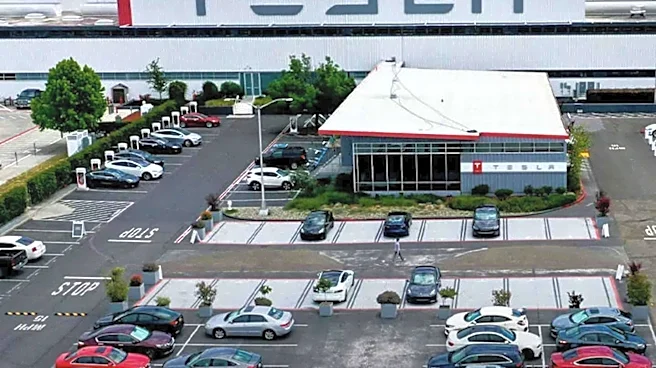
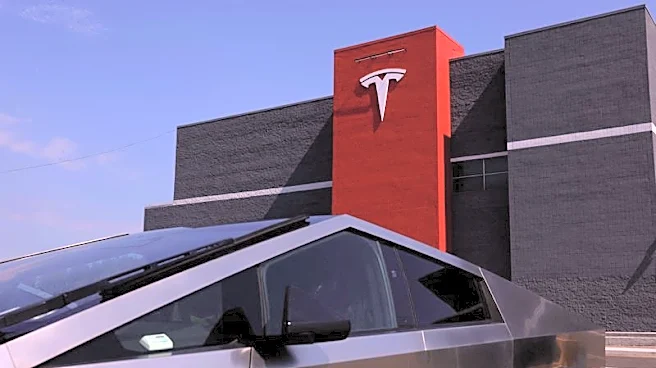
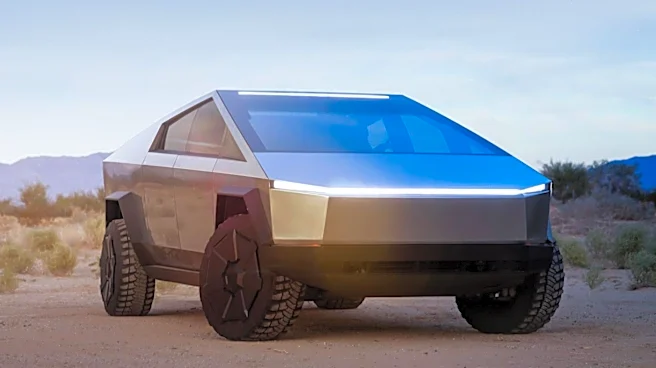
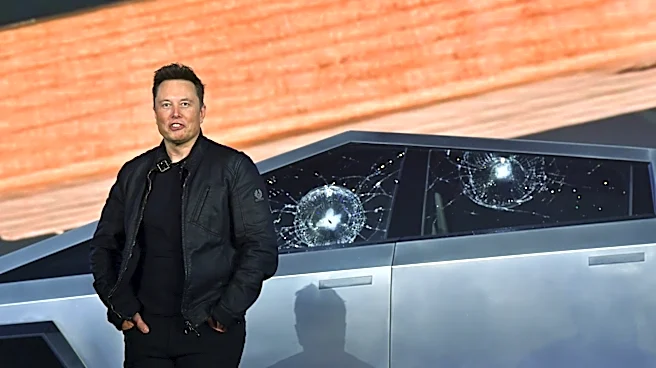
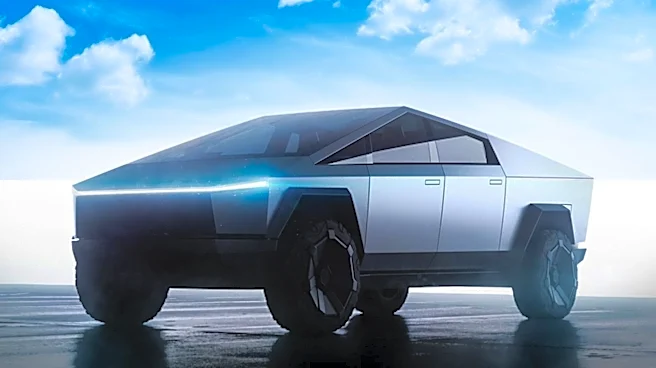
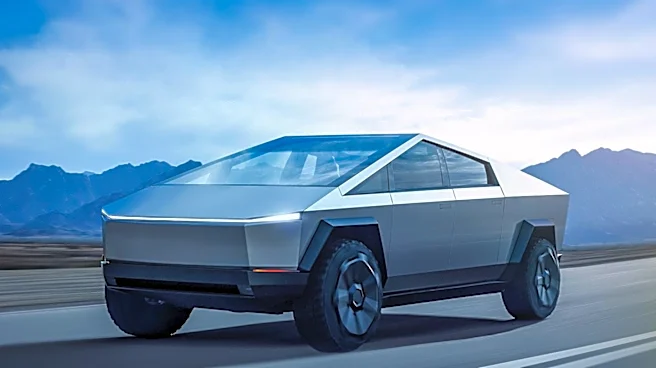
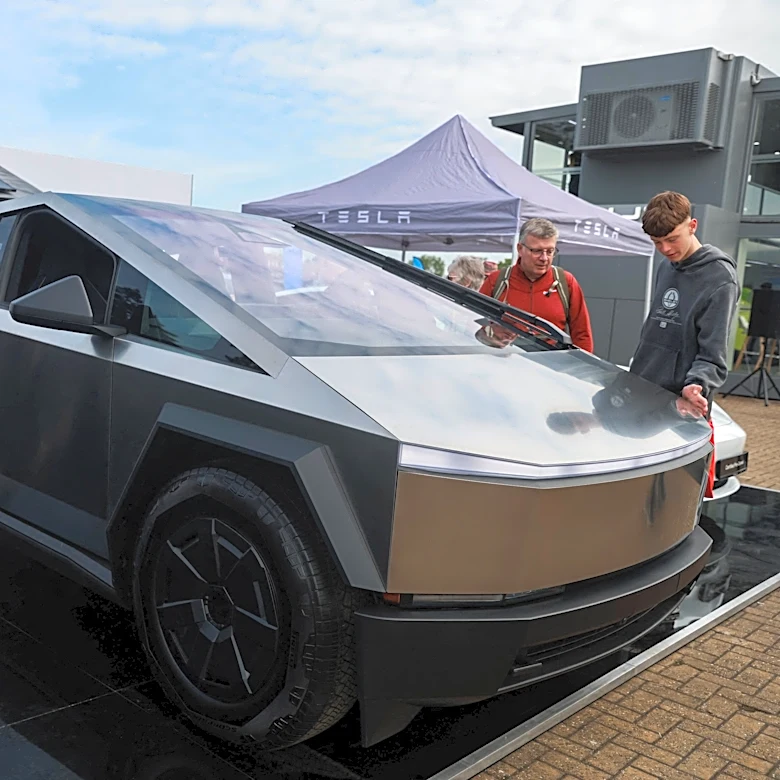
Tesla CEO Elon Musk announced that the company will cease production of the Cybertruck at its Texas factory in approximately eight months to prioritize the autonomous Cybercab. This decision comes as the demand for the Cybertruck has significantly outpaced
Tesla's production capacity, leading to the necessity of refunding deposits to numerous customers. Musk clarified that the move is not due to the Cybertruck being unprofitable, but rather because the complexity of its manufacturing makes scaling up its production less valuable than expanding Cybercab output. The manufacturing line is expected to shut down around mid-2027, with resources being reallocated to Cybercab production.
Why It's Important?
This strategic shift by Tesla has significant implications for the automotive industry and the future of electric vehicles. By discontinuing Cybertruck production, Tesla is signaling a pivot towards its autonomous vehicle ambitions, particularly the Cybercab, which is designed without a steering wheel or pedals. This move could accelerate the development and adoption of robotaxi networks, potentially disrupting traditional transportation models. For consumers, it means a limited availability of the Cybertruck and a focus on future autonomous offerings. For investors, it highlights Tesla's commitment to its long-term vision of self-driving technology, potentially impacting stock performance and market perception of the company's strategic direction. The decision also underscores the challenges of scaling complex manufacturing processes for niche vehicles.
What's Next?
Tesla plans to add an extra production shift to fulfill as many outstanding Cybertruck orders as possible before the production line closes around mid-2027. Following this, resources will be redirected to scale up Cybercab production. The Cybercab, unveiled in October 2024, is central to Musk's vision for a robotaxi network. This transition will likely involve significant retooling and investment in the Texas factory. The success of the Cybercab will be a critical next step for Tesla, as it aims to expand its self-driving capabilities and establish a dominant position in the autonomous transportation market. Industry observers will closely watch the development and deployment of the Cybercab, as well as the impact on Tesla's overall market strategy.
Beyond the Headlines
Tesla's decision to halt Cybertruck production in favor of the Cybercab reflects a deeper strategic re-evaluation of its product portfolio and long-term vision. This move suggests a prioritization of future-oriented, potentially more disruptive technologies like autonomous robotaxis over traditional vehicle segments, even those with high initial demand. It raises questions about the sustainability of niche, high-complexity vehicle manufacturing within a mass-market strategy and the economic trade-offs involved. Furthermore, it highlights the ongoing tension between innovation and profitability in the rapidly evolving electric vehicle and autonomous driving sectors. The emphasis on the Cybercab could also signal a broader industry shift towards mobility-as-a-service models, potentially redefining vehicle ownership and urban transportation.