


What's Happening?
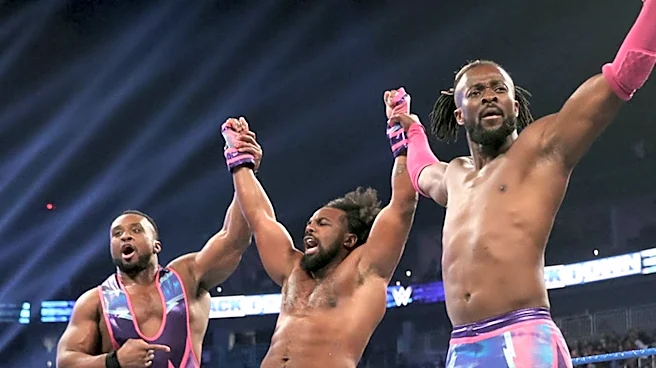
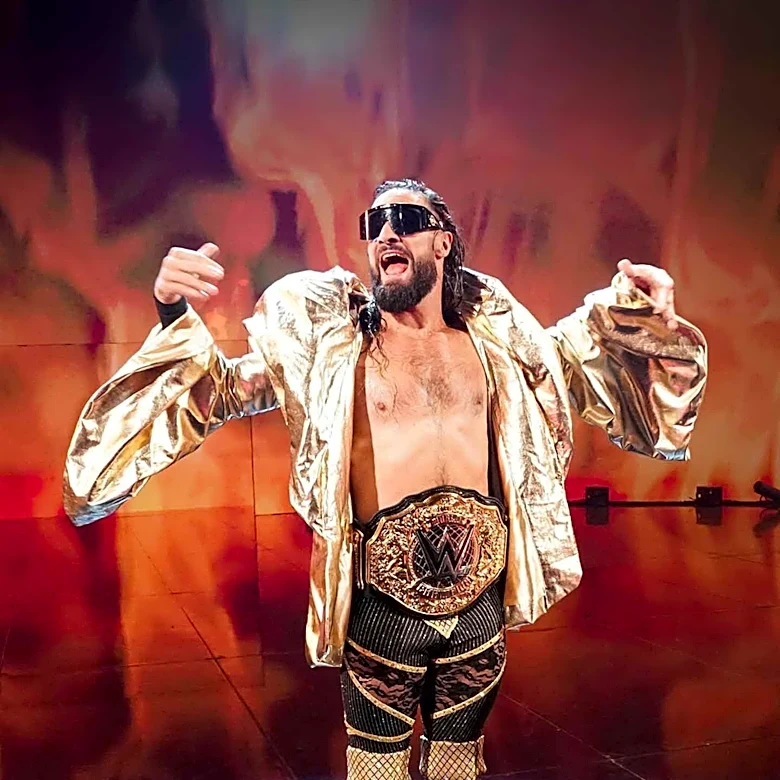
WWE SmackDown experienced a significant drop in viewership for its October 23, 2026, episode, drawing 1.1 million viewers on USA Network. This figure is down from the 1.327 million viewers recorded for the October 16 episode. The show also saw a decrease
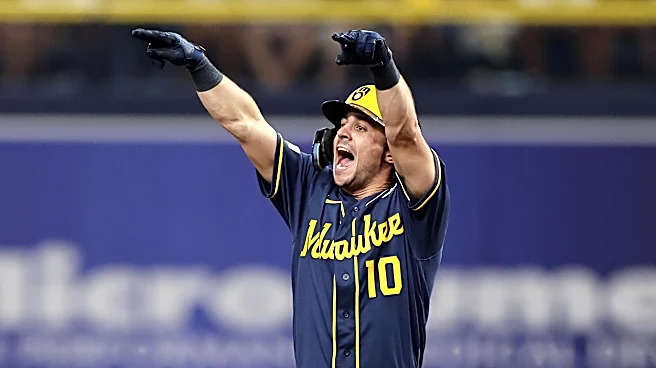
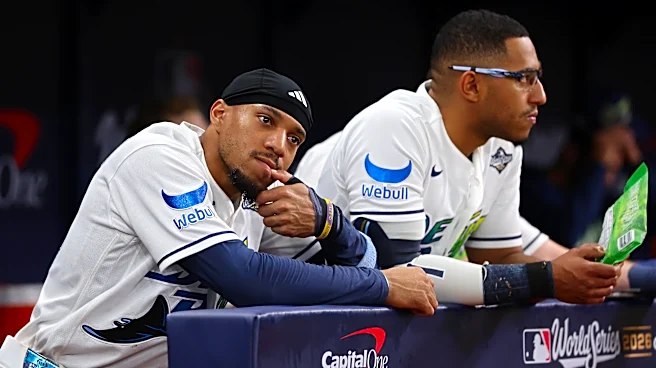
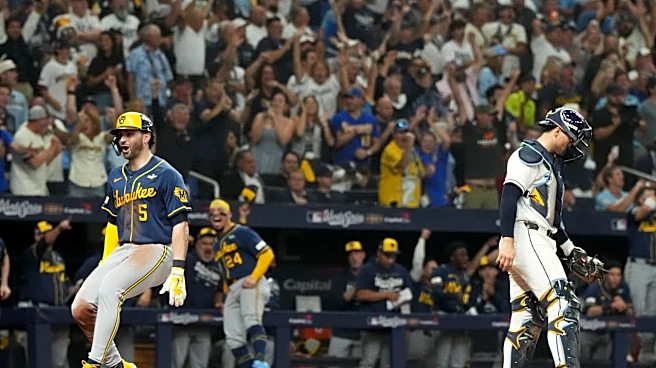
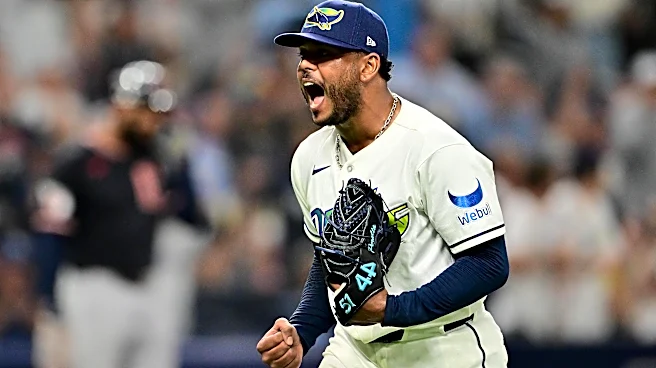
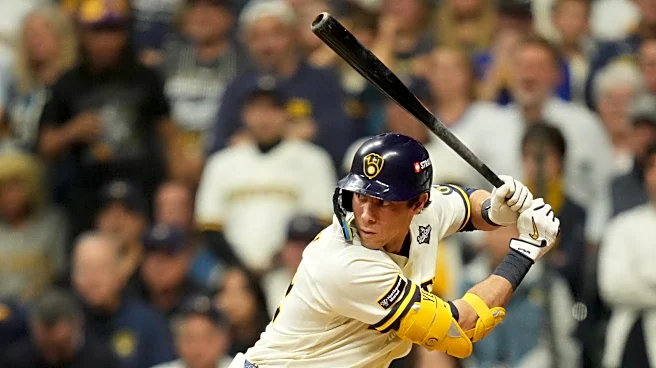
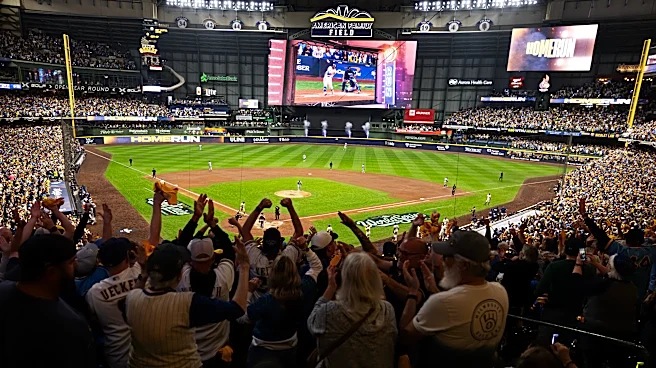
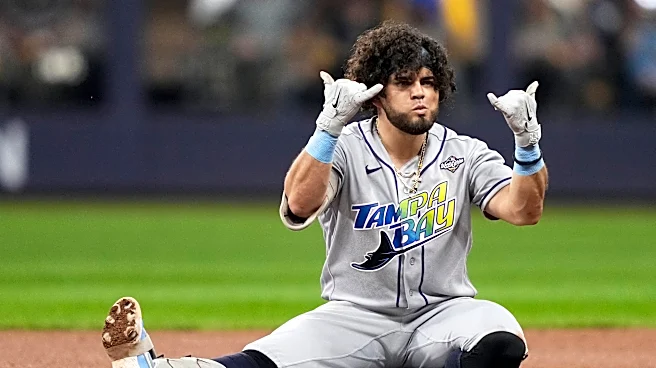
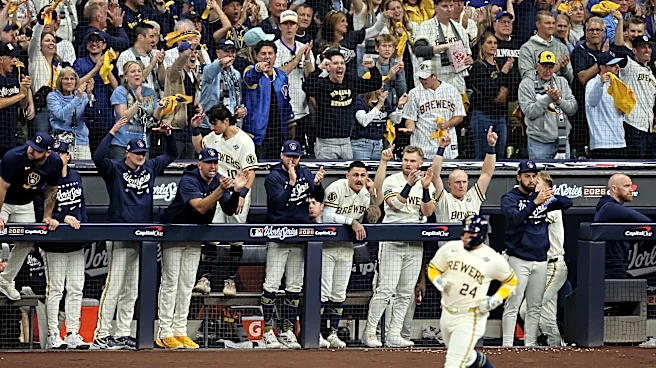
in the key 18-49 demographic, scoring a 0.24 rating, a decline from the previous week's 0.32 rating. According to Wrestlenomics, this dip in viewership coincided with Game One of the World Series, which featured the Tampa Bay Rays against the Milwaukee Brewers. The baseball game, broadcast on FOX, attracted over 12 million viewers, indicating a strong competitive programming environment. Despite the overall decline, specific segments from SmackDown garnered considerable attention on YouTube, with Cody Rhodes challenging Randy Orton to a Last Man Standing Match being the most viewed clip, followed by an intense interview between CM Punk and Kevin Owens.
Why It's Important?
The decline in WWE SmackDown viewership highlights the significant impact of major live sporting events on television ratings. The World Series, a premier national event, drew a massive audience, directly competing with and drawing viewers away from other programming, including professional wrestling. This trend underscores the challenges faced by weekly entertainment shows in maintaining consistent viewership when up against high-profile, must-watch live sports. For WWE, a drop in ratings can affect advertising revenue, future broadcast rights negotiations, and overall market perception. The performance in key demographics is particularly crucial for advertisers. The strong YouTube engagement for specific segments, however, suggests that while live linear viewership may fluctuate, fan interest and content consumption remain robust across different platforms, indicating a shift in how audiences engage with wrestling content.
What's Next?
WWE will likely continue to monitor viewership trends closely, especially when scheduling conflicts with major sporting events arise. Future programming decisions, including storyline developments and featured matches, may be influenced by strategies to retain or recapture audiences during competitive broadcast windows. The company might also increasingly leverage digital platforms like YouTube to engage fans and measure content popularity, as evidenced by the high view counts for specific SmackDown clips. As the World Series progresses, WWE may anticipate continued viewership fluctuations for its Friday night programming. The focus will likely be on delivering compelling content that can draw viewers back once the direct competition subsides, or on developing strategies to co-exist with major sporting events.
Beyond the Headlines
This viewership dip reflects a broader trend in the television landscape where traditional linear TV audiences are increasingly fragmented, and live sports remain one of the few programming types that consistently draw large, immediate audiences. For WWE, this situation presents both a challenge and an opportunity. While direct competition from events like the World Series can temporarily impact ratings, it also pushes content creators to innovate in how they deliver and promote their product across various media. The strong performance of SmackDown clips on YouTube suggests that a significant portion of the audience consumes content on-demand or through highlights, indicating a need for a multi-platform engagement strategy. This shift could lead to more emphasis on digital-first content, social media interaction, and tailored viewing experiences to capture and retain fan interest beyond traditional broadcast windows.