
What's Happening?
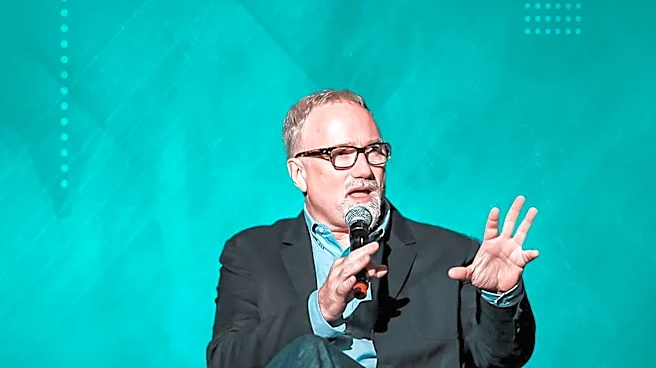
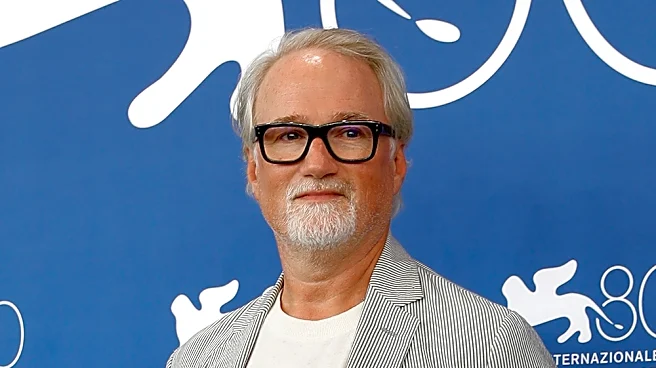
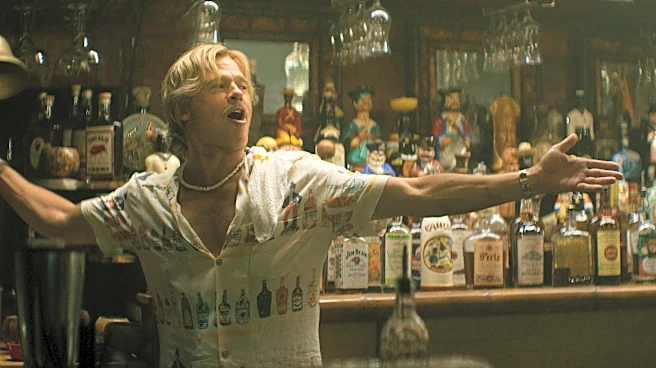
Filmmaker David Fincher has dismissed the controversy surrounding the alleged use of artificial intelligence (AI) in his latest movie, 'The Further Mis-Adventures Of Cliff Booth,' as a 'culture war' issue
unrelated to filmmaking. While Fincher previously acknowledged using AI in post-production for sound and ADR-like sections, he has not clarified the extent of its use regarding more contentious allegations, such as recreating 1977 Los Angeles or generating period television footage. Speaking to Spain’s El País, Fincher sidestepped specifics but characterized the debate as a broader societal conflict rather than a cinematic concern. He emphasized his focus on storytelling and utilizing available tools to bring sequences to life within budget constraints. Fincher also expressed frustration with what he perceives as nostalgia and complaints dominating discussions about cinema, advocating for forward-looking exploration of technological possibilities.
Why It's Important?
Fincher's stance highlights a growing tension within the entertainment industry regarding the adoption of AI technologies. His dismissal of the controversy as a 'culture war' could be seen as a challenge to traditional filmmaking practices and a push towards embracing new tools, potentially influencing other filmmakers and studios. This perspective could accelerate the integration of AI in various aspects of film production, from visual effects to sound design, potentially leading to cost efficiencies and new creative avenues. However, it also risks alienating audiences and industry professionals concerned about job displacement, ethical implications, and the authenticity of cinematic art. The debate reflects broader societal anxieties about AI's role in creative fields and could shape future regulations or industry standards concerning its use in U.S. film and television production.
What's Next?
The film 'The Further Mis-Adventures Of Cliff Booth' is currently playing in IMAX theaters and is scheduled to arrive on Netflix on December 23. The ongoing public discourse and critical reception of the film, particularly concerning its AI elements, will likely continue to unfold as it reaches a wider audience. Fincher's comments suggest he is unlikely to engage in further 'damage control' regarding the AI controversy, indicating a potential continued embrace of such technologies in his future projects. The industry will be watching to see if other prominent filmmakers adopt similar views or if a more unified stance emerges regarding AI's ethical and practical applications in cinema. This situation could also prompt further discussions within guilds and unions about protecting human creative roles amidst technological advancements.
Beyond the Headlines
The controversy surrounding AI in 'The Further Mis-Adventures Of Cliff Booth' extends beyond mere technological adoption; it touches upon fundamental questions about artistic integrity, authorship, and the future of creative labor. Fincher's argument that the debate is a 'culture war' suggests a deeper ideological divide between those who view technology as a tool for innovation and those who see it as a threat to established artistic values. This development could trigger long-term shifts in how films are conceived, produced, and consumed, potentially blurring the lines between human and machine creativity. It also raises ethical considerations about the transparency of AI use in media and the potential for audiences to feel deceived if they are unaware of AI-generated content. The outcome of this debate could set precedents for how AI is integrated across various creative industries in the U.S., influencing everything from intellectual property rights to the definition of art itself.