






What's Happening?
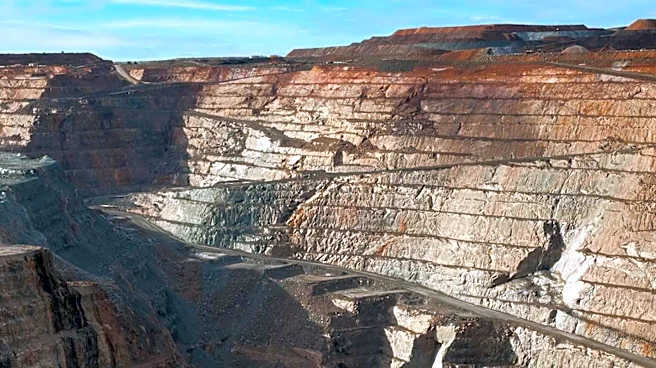
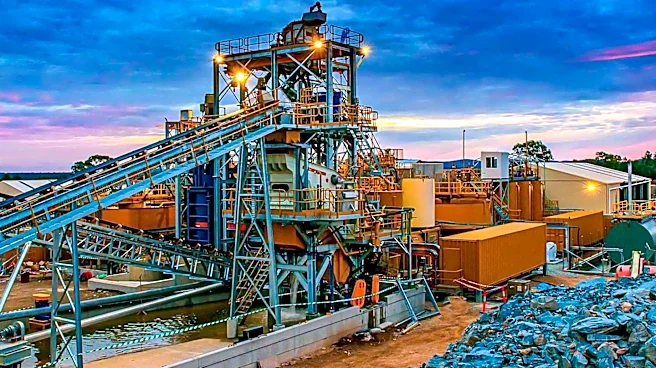
West Red Lake Gold Mines reported a 51% increase in gold production for Q2 2026, with mined ounces rising significantly due to higher mining rates and improved grades. The company is executing a hub-and-spoke growth strategy, using the Madsen mill as a central
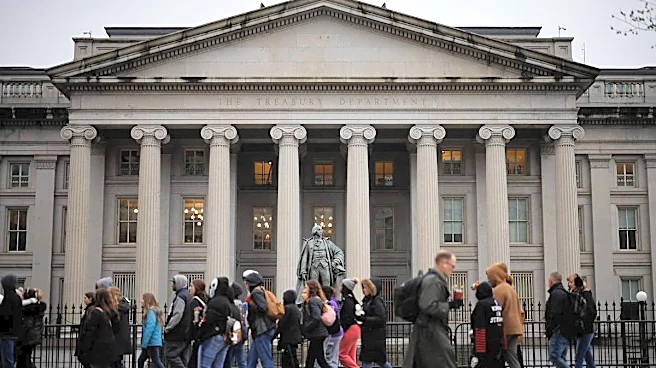
processing hub. Meanwhile, the U.S. national debt has reached $39.51 trillion, with annual interest payments surpassing $1 trillion, exceeding Medicare spending. This financial backdrop has implications for gold prices, as lower interest rates could drive up demand for gold as a hedge against debt-related economic instability.
Why It's Important?
The increase in gold production positions West Red Lake Gold favorably in a market where gold is seen as a safe haven amid economic uncertainty. The rising U.S. debt and interest payments highlight fiscal challenges that could impact economic stability. As interest rates potentially decrease, gold becomes more attractive, offering a hedge against inflation and currency depreciation. This scenario benefits gold producers like West Red Lake Gold, which can capitalize on higher gold prices and increased demand.
What's Next?
West Red Lake Gold plans to continue ramping up production, aiming for a sustained processing rate of up to 1,000 tonnes per day. The company is also expanding its resource base, with significant growth in the Rowan Project's indicated gold ounces. As the U.S. grapples with its debt burden, economic policies and interest rate decisions will be closely watched, influencing gold market dynamics. Investors may increasingly turn to gold as a protective asset, potentially driving further production and exploration efforts.