



What's Happening?
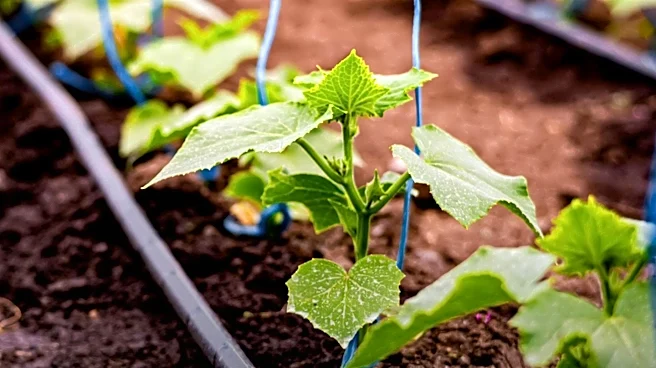
Drip lines are being recommended as the superior irrigation choice for container gardens, raised garden beds, and permanent plantings such as orchards and perennial gardens. Unlike drip tape, which is thin-walled and best suited for seasonal row crops,
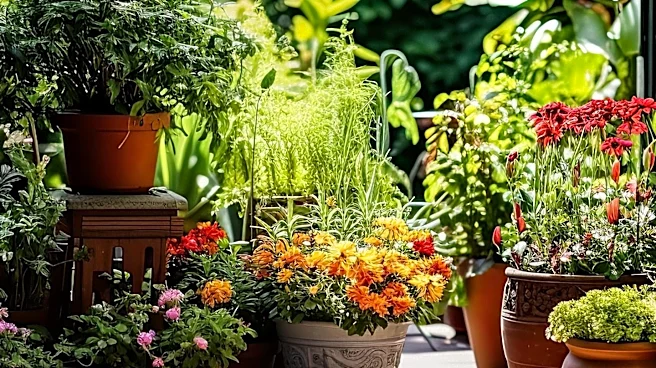
drip lines are constructed with thicker, more durable polyethylene tubing. This robust design allows them to withstand environmental factors like soil movement, UV exposure, and foot traffic, making them suitable for long-term installations. Drip lines also offer greater flexibility for navigating curves and slopes, and many feature pressure-compensating emitters to ensure uniform water distribution across varying elevations. For container gardens specifically, drip lines are advantageous because potted plants tend to dry out faster than in-ground plantings, and the durability of drip lines means they do not need to be removed at the end of each growing season.
Why It's Important?
The recommendation for drip lines in container and permanent gardens has significant implications for U.S. homeowners and agricultural businesses. For home gardeners, especially those with patios, balconies, or raised beds, drip lines offer a more efficient and less labor-intensive watering solution, leading to healthier plants and reduced water waste. This is crucial in regions facing water scarcity or encouraging conservation. For commercial growers of orchards, berries, and perennial crops, the durability and uniform water delivery of drip lines translate into long-term cost savings on maintenance and replacement, while also optimizing crop yields. The ability of drip lines to handle varied terrain and maintain consistent water flow ensures that all plants receive adequate hydration, which is vital for the productivity and sustainability of agricultural operations across the country. This technology supports more resilient and efficient food production systems.
What's Next?
As awareness of water conservation and efficient gardening practices grows, the adoption of drip line irrigation systems for container and permanent plantings is expected to increase. Manufacturers and retailers will likely continue to innovate and offer a wider range of drip line products tailored to different needs, from small home setups to large-scale agricultural applications. Educational initiatives from gardening experts and agricultural extension services will play a key role in informing consumers and growers about the benefits and proper installation of drip lines. This trend could also lead to more integrated smart irrigation systems that combine drip lines with automated controls, further enhancing water efficiency and plant health. The long-term impact will be a more sustainable approach to gardening and farming, particularly in water-stressed regions.
Beyond the Headlines
The preference for drip lines over drip tape in certain gardening contexts highlights a broader shift towards investing in long-term, sustainable infrastructure in both home and commercial agriculture. This isn't just about watering plants; it's about optimizing resource use and minimizing environmental impact. The durability of drip lines reduces plastic waste associated with annual replacement of drip tape, aligning with growing ecological concerns. Furthermore, the precise water delivery minimizes runoff and evaporation, preserving precious water resources. This technological choice reflects a growing understanding that initial investment in quality, durable systems can lead to greater economic and environmental benefits over time, fostering a more resilient and responsible approach to cultivation in the U.S. and beyond.