







What's Happening?
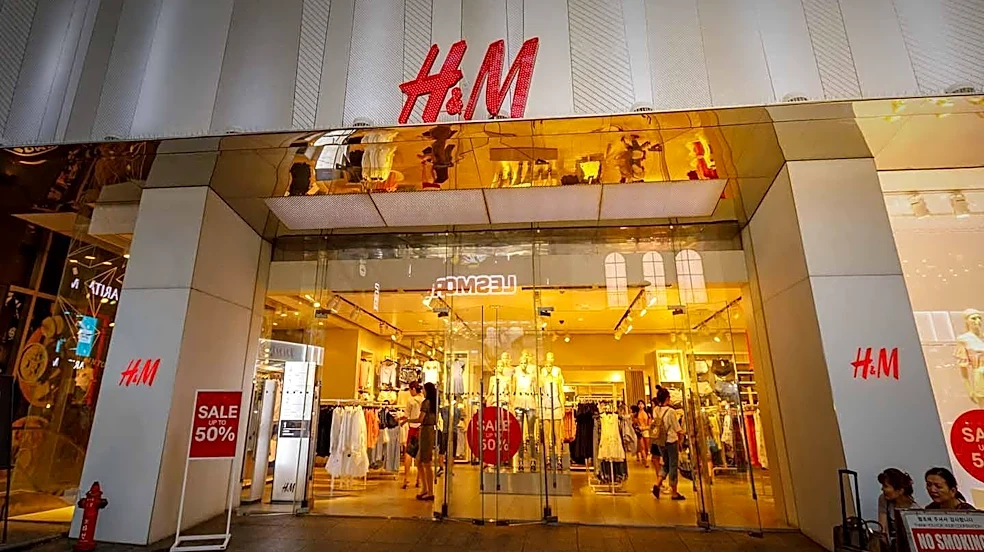
International retailers like Zara and H&M have significantly expanded their operations in Canada, increasing competition for established domestic fashion chains. This expansion contributed to the financial difficulties and eventual closure of JACOB's
national retail network in 2014. JACOB, a Canadian fashion brand, had operated over 250 stores across the country but faced mounting pressure from rising operating costs and intensified international competition. The company entered creditor protection in November 2010 and, despite restructuring efforts, announced plans to liquidate inventory across its remaining 92 stores by May 2014. The influx of global fast-fashion giants like Zara and H&M into the Canadian market made it increasingly difficult for local brands to sustain their national expansion and maintain profitability.
Why It's Important?
The increased presence of international fast-fashion retailers like Zara and H&M in the Canadian market highlights a broader trend affecting retail landscapes globally, including the U.S. This competition puts immense pressure on domestic brands, often leading to store closures, job losses, and a shift in consumer spending habits. For U.S. retailers, this serves as a cautionary tale about the need for adaptability and innovation in the face of globalized competition. The success of these international chains often stems from their efficient supply chains, rapid trend adoption, and competitive pricing, which can be challenging for traditional retailers to match. This dynamic can lead to a less diverse retail environment, with fewer local brands and a greater dominance of large international corporations, impacting local economies and employment.
What's Next?
The Canadian fashion market will likely continue to see a strong presence from international retailers, potentially leading to further consolidation or specialization among domestic brands. For brands like JACOB, which is attempting a revival, the focus will be on niche markets, online sales, and strategic partnerships rather than extensive physical retail networks. This shift suggests a future where brick-and-mortar retail spaces may become more experiential or specialized, while mass-market fashion continues to be dominated by global players. U.S. retailers can anticipate similar trends, with an ongoing need to differentiate themselves through unique offerings, strong online presences, and efficient operational models to compete effectively.
Beyond the Headlines
The rise of fast fashion, exemplified by companies like Zara and H&M, has significant ethical and environmental implications. The rapid production cycles and low prices often come at the cost of labor exploitation in manufacturing countries and contribute to massive textile waste. This business model encourages frequent consumption and disposability, contrasting sharply with traditional fashion's emphasis on durability and timelessness. As consumers become more aware of these issues, there may be a growing demand for sustainable and ethically produced clothing, potentially creating opportunities for local brands that prioritize these values. However, the economic pressures of fast fashion remain a powerful force, shaping consumer expectations and industry practices.