





What's Happening?
The beauty industry is undergoing a significant shift, moving away from heavy, full-coverage makeup towards minimalist, water-based formulas. This trend emphasizes products that blend makeup with skincare, incorporating active ingredients like niacinamide,
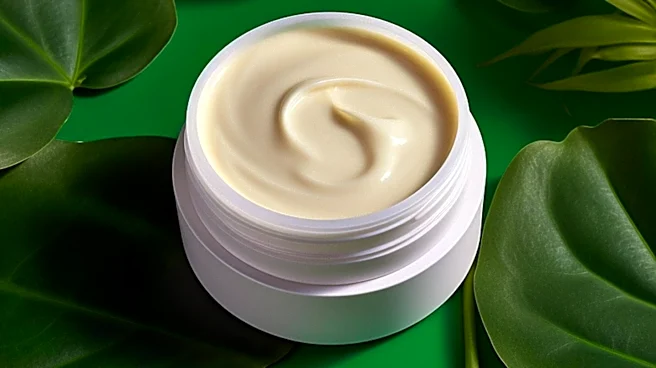
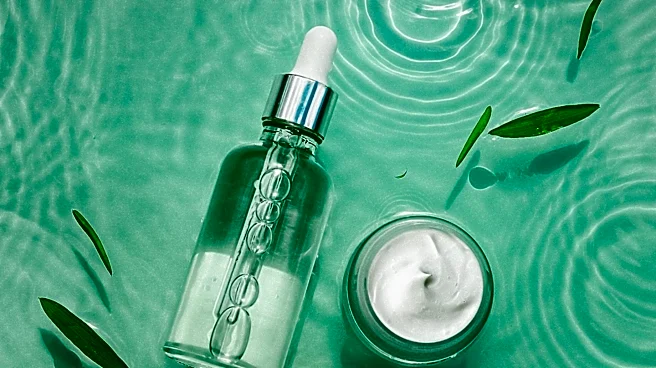
ceramides, and hyaluronic acid directly into pigments. Water-based makeup, with water as its primary ingredient, creates a light, fluid texture that absorbs quickly, offering a breathable feel and a natural, radiant 'Cloud Skin' look. This approach is particularly beneficial for sensitive, combination, or acne-prone skin, as it allows pores to 'breathe' and avoids the occlusive environment created by traditional silicone or oil-based products. Dermatologists and celebrity makeup artists, including Dr. Shereene Idriss and Sir John, endorse this shift for its skin health benefits and ability to create a fresh, effortless appearance.
Why It's Important?
This trend is important for U.S. consumers as it reflects a growing demand for healthier and more natural beauty options. The shift towards water-based makeup addresses concerns about skin health, offering products that are less likely to clog pores or exacerbate skin conditions. For the U.S. beauty industry, this means a significant pivot in product development, marketing, and consumer education. Brands that adapt quickly to this demand for hybrid makeup-skincare products stand to gain market share, while those that lag may lose relevance. Consumers, particularly those with sensitive or problematic skin, stand to benefit from products that enhance their appearance without compromising skin health. This also influences beauty retail, with a greater focus on ingredient transparency and product efficacy, aligning with broader wellness trends in the U.S. market.
What's Next?
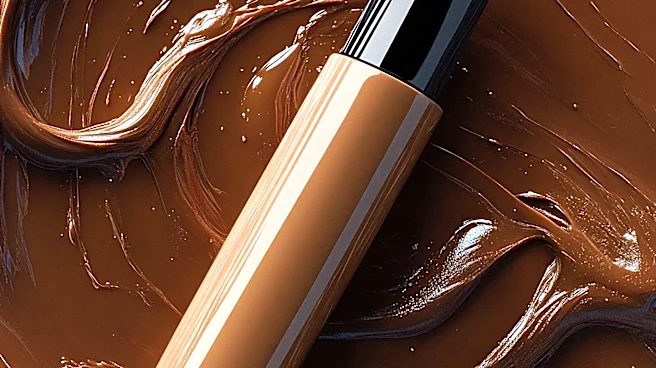
The beauty industry will likely continue to innovate in the water-based makeup category, introducing more hybrid products that offer both cosmetic benefits and skincare advantages. Consumers can expect to see a wider range of ultra-light skin tints, moisturizing concealers, liquid highlighters, and lip/cheek tints formulated with water as the primary base. Brands will also focus on educating consumers about new application techniques required for these fast-drying formulas, such as building thin layers and ensuring compatibility with other water-based skincare products. This shift may also lead to a decline in demand for heavy, full-coverage foundations and powders, prompting manufacturers to reformulate or diversify their product lines to meet evolving consumer preferences for a more natural and skin-friendly aesthetic.
Beyond the Headlines
Beyond the immediate product trends, this shift signifies a deeper cultural movement towards authenticity and self-acceptance in beauty. The emphasis on 'enhancing' rather than 'concealing' reflects a growing desire among consumers to embrace their natural features and prioritize skin health over a heavily made-up look. This has ethical implications for beauty standards, potentially reducing pressure to conform to unrealistic ideals of perfection. Legally, increased scrutiny on ingredient lists and product claims may lead to stricter regulations regarding 'clean beauty' and 'skin-friendly' labeling. Culturally, the trend aligns with a broader wellness movement, where consumers are more conscious about what they put on and into their bodies, extending beyond food and exercise to personal care products. This could foster a more holistic approach to beauty, integrating skincare and makeup as complementary aspects of overall well-being.