




What's Happening?
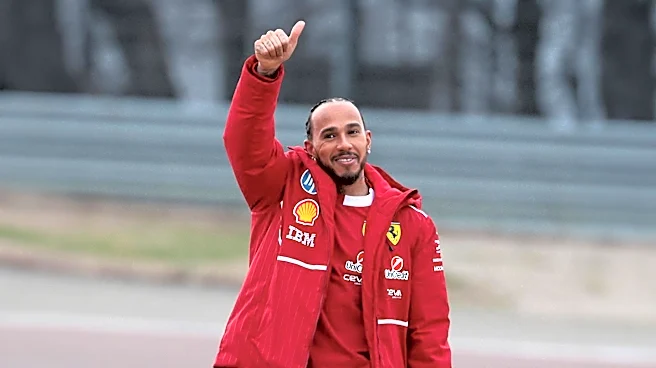
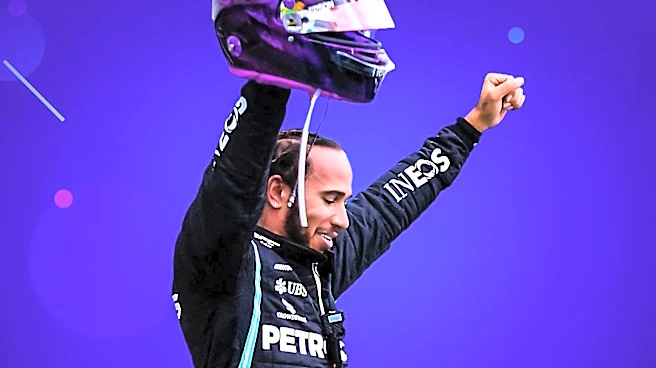
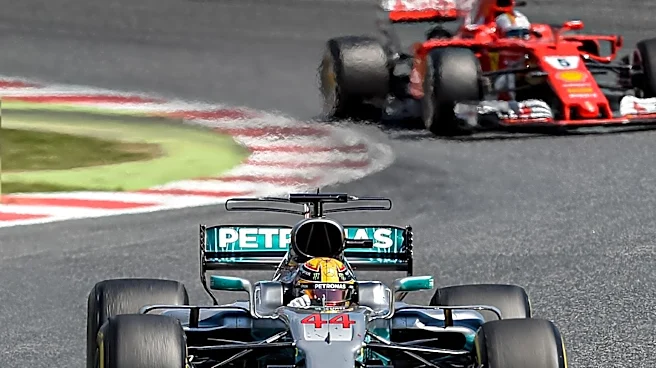
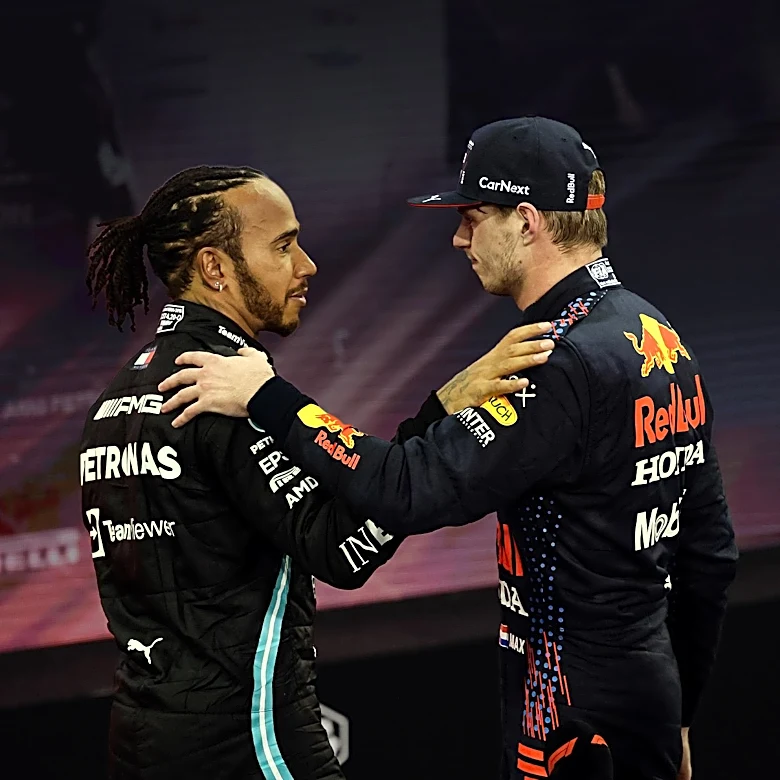
Sebastian Vettel and Lewis Hamilton, two highly accomplished Formula 1 drivers, have independently identified a shared reason for Ferrari's prolonged title drought, which is nearing 18 years. Both drivers point to Ferrari's organizational resistance to change
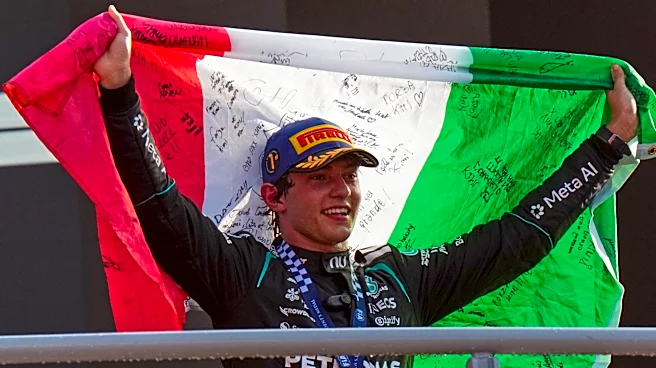
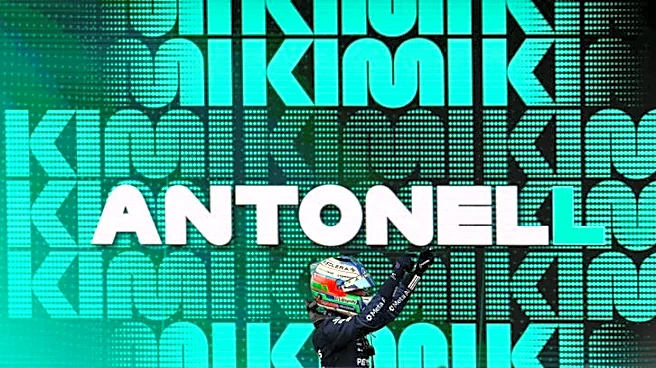
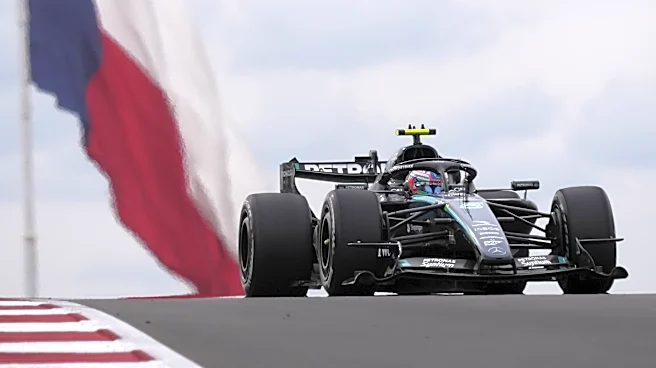
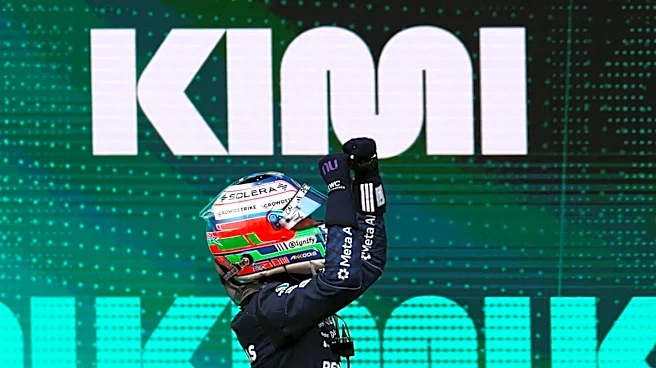
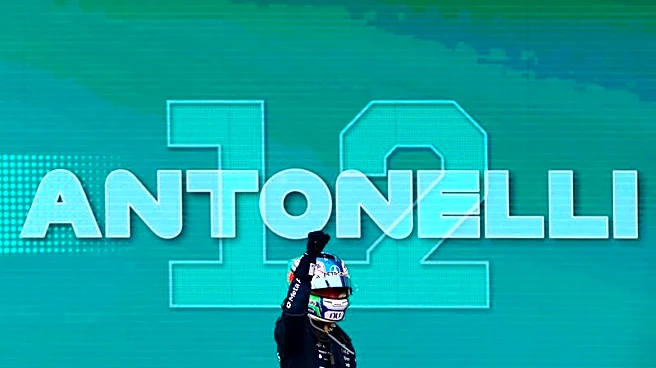
and a hesitant, timid culture as the core issue preventing the team from securing championships. Hamilton, speaking after the Italian Grand Prix, emphasized the need for Ferrari to re-evaluate its communication and approach, stating that continuing on the same path will yield the same results. Vettel, in the 'Being Sebastian Vettel' documentary, echoed this sentiment, attributing his own lack of championship success with Ferrari to the organization's hesitancy. Mercedes is currently leading both the drivers' and constructors' championships, with Kimi Antonelli poised to clinch the drivers' title at the upcoming Mexico City Grand Prix, further highlighting Ferrari's struggles.
Why It's Important?
This shared assessment from two of Formula 1's most successful drivers underscores a critical organizational challenge within Ferrari, a team with a storied history in motorsport. Their consensus suggests that the issue is not solely about driver talent or individual race performance, but rather a deep-seated cultural and operational problem. For the U.S. and global motorsport industry, Ferrari's inability to adapt impacts competitive balance and fan engagement. A dominant Ferrari would likely increase viewership and commercial interest, especially in markets like the U.S. where F1 is growing. The insights from Hamilton and Vettel could serve as a case study for other large, established organizations facing stagnation, highlighting the importance of agility and willingness to evolve in highly competitive environments. The continued dominance of Mercedes and the impending championship for Kimi Antonelli further emphasize the consequences of Ferrari's perceived inflexibility.
What's Next?
Ferrari faces a critical juncture as its title drought extends, with Mercedes poised to secure both championships. The immediate focus will be on the Mexico City Grand Prix, where Kimi Antonelli is expected to clinch the drivers' title. For Ferrari, the challenge lies in internal reform. The comments from Hamilton and Vettel suggest that a fundamental shift in organizational culture and operational strategy is necessary to break the cycle of underperformance. This could involve leadership changes, a re-evaluation of development processes, and a more open approach to innovation. The team's performance in the upcoming seasons will be closely scrutinized, with pressure mounting to demonstrate a tangible commitment to change. Without significant internal adjustments, the 'barren run' is likely to continue, impacting Ferrari's standing in the sport and its commercial appeal.
Beyond the Headlines
The observations from Sebastian Vettel and Lewis Hamilton delve deeper than mere racing performance, touching upon the psychological and cultural dynamics within a high-pressure, high-stakes organization like Ferrari. The 'fear of failure' mentioned by Vettel, coupled with an 'overly resistant to change' attitude highlighted by Hamilton, points to a systemic issue that can plague even the most prestigious institutions. This situation offers a broader lesson on organizational psychology, where past successes can sometimes breed complacency or an unwillingness to deviate from established, yet ultimately ineffective, methods. The ethical implication lies in the responsibility of leadership to foster an environment that encourages innovation and adaptation, rather than clinging to tradition at the expense of progress. For the long term, Ferrari's trajectory will be a testament to whether a legacy brand can successfully reinvent itself in a rapidly evolving competitive landscape, impacting its brand value and the loyalty of its global fanbase.