






What's Happening?
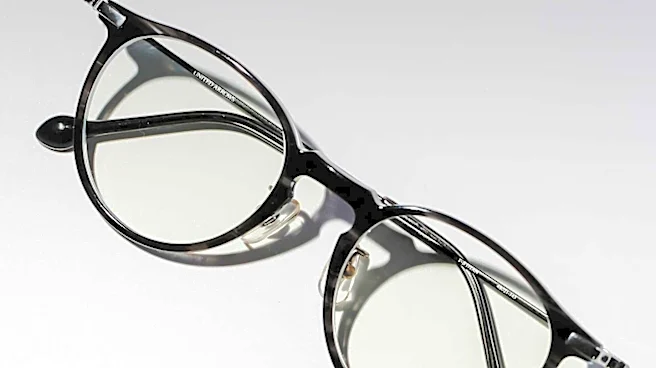
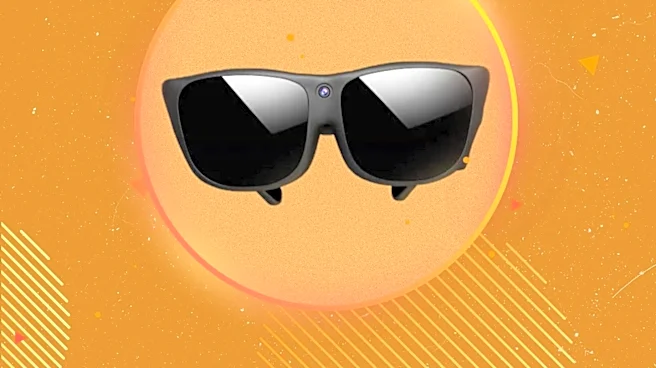
EssilorLuxottica has launched the Nuance Audio Plus, an updated version of its discreet over-the-counter hearing aid glasses. These new glasses integrate FDA-cleared hearing aid technology into temple arms that maintain a slim profile, similar to standard
eyeglasses. Key improvements in the Nuance Audio Plus include enhanced sound boosting, clearer voice amplification, additional on-device controls, and an extended battery life of up to 10 hours. The glasses are available in the U.S. in three frame styles—Square, Pathos, and Upturn—and five color options: shiny black, shiny burgundy, deep blue, amber, and olive green. Pricing for the Nuance Audio Plus begins at $829, with additional costs for prescription lenses. The original Nuance Audio smart glasses will continue to be offered, starting at $699. The audio amplification improvements are particularly notable, offering better speech clarity in noisy environments. Users can switch between 'Frontal' mode, which amplifies the voice of the person being spoken to in face-to-face conversations, and 'All-Around' mode, which boosts ambient sounds. The accompanying mobile app allows users to select from four pre-configured amplification settings and adjust noise reduction levels.
Why It's Important?
The introduction of the Nuance Audio Plus signifies a notable advancement in accessible hearing technology, particularly for the U.S. market. By integrating FDA-cleared hearing aid capabilities into stylish eyeglasses, EssilorLuxottica is addressing a significant barrier to hearing aid adoption: stigma and aesthetics. This innovation could encourage more individuals with mild to moderate hearing loss to seek assistance, as the devices are designed to be inconspicuous. The enhanced voice boosting and clarity in noisy environments are crucial for improving communication in everyday social and professional settings, directly impacting users' quality of life and participation. The extended battery life and on-device controls also contribute to greater user convenience and independence, reducing reliance on smartphones for basic adjustments. This product could also influence the broader market for over-the-counter hearing aids, pushing other manufacturers to innovate in terms of design, functionality, and user experience. For the U.S. healthcare landscape, this offers a more accessible and potentially more affordable option for hearing support, aligning with trends towards consumer-friendly medical devices.
What's Next?
The Nuance Audio Plus is now available in the U.S., and its market reception will be a key indicator of future developments in integrated hearing technology. EssilorLuxottica will likely monitor sales and user feedback to inform subsequent product iterations and expansions. Potential next steps could include further advancements in audio processing, such as more personalized sound profiles or adaptive noise cancellation. The company may also explore additional frame styles, color options, and partnerships to broaden the appeal and reach of these devices. Given the current iPhone-only compatibility for direct call answering, expanding this feature to Android devices would be a logical progression to cater to a wider user base. Competitors in both the eyewear and hearing aid industries will likely observe the performance of the Nuance Audio Plus, potentially leading to increased innovation and competition in the integrated smart glasses and OTC hearing aid sectors. The long-term success of this product could pave the way for more seamless integration of health technologies into everyday wearables.
Beyond the Headlines
The Nuance Audio Plus represents a significant step towards destigmatizing hearing loss and making assistive technology more mainstream. By embedding hearing aids within a common accessory like eyeglasses, it shifts the perception from a medical device to a lifestyle product. This integration could foster greater acceptance and proactive management of hearing health, particularly among individuals who might otherwise delay seeking help due to the visible nature of traditional hearing aids. The blend of fashion and function also highlights a broader trend in consumer electronics, where health and wellness features are increasingly being incorporated into everyday items. Ethically, this approach raises questions about data privacy and the potential for these devices to collect personal health information, though the source does not detail such capabilities. Culturally, it could normalize the use of hearing assistance, similar to how eyeglasses became a fashion statement. The long-term impact could be a more inclusive society where hearing challenges are addressed with innovative, user-friendly solutions that prioritize both efficacy and aesthetics, ultimately improving social engagement and overall well-being for millions.