






What's Happening?
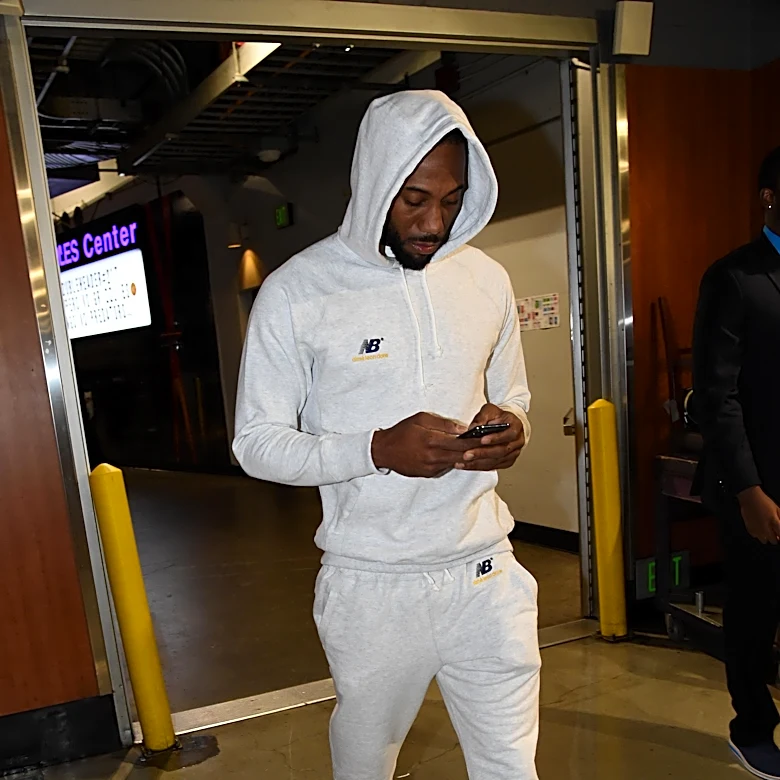
NBA star Jaylen Brown has publicly stated his refusal to be categorized solely as an 'entertainer,' asserting that he views himself more as an 'influencer.' In an interview, Brown expressed his disagreement with the notion that athletes, musicians, and
other public figures are merely for entertainment purposes. He believes that fans and the public expect individuals in his position to be profound thinkers and sociopolitical visionaries, rather than just performers. This stance is consistent with Brown's long-standing reputation for intellectual posturing, which has sometimes drawn criticism. He has previously commented on people being 'amazed' by his intellect and has been associated with controversial views, including questioning the Earth's flatness and defending Kyrie Irving's promotion of an antisemitic film.
Why It's Important?
Jaylen Brown's comments highlight a growing tension between the public's perception of athletes as entertainers and the athletes' desire to be recognized for their broader intellectual and social contributions. This perspective challenges the traditional 'shut up and dribble' mentality, advocating for athletes to use their platforms for social commentary and influence. While some may view Brown's statements as self-aggrandizing, they reflect a broader movement among professional athletes to engage with social and political issues, leveraging their celebrity for causes beyond their sport. This shift can empower athletes but also exposes them to increased scrutiny and potential backlash, as seen with Brown's past controversies. It also raises questions about the responsibilities and expectations placed on public figures in an increasingly interconnected world.
What's Next?
Brown's continued articulation of his role as an 'influencer' rather than an 'entertainer' is likely to fuel ongoing discussions within sports media and among fans about the evolving identity of professional athletes. This stance may lead to further engagement from Brown on social and political topics, potentially sparking more debate and varying reactions from the public and his peers. It could also inspire other athletes to more openly express their views and challenge traditional roles. However, it also carries the risk of alienating some fans who prefer to separate sports from broader societal issues. The ongoing dialogue will likely shape how athletes perceive their public roles and how the public, in turn, perceives them.
Beyond the Headlines
Beyond the immediate controversy, Brown's remarks touch upon deeper societal expectations regarding celebrity and influence. In an era dominated by social media, the line between entertainment and influence has become increasingly blurred. Celebrities, including athletes, often find themselves in positions where their opinions and actions carry significant weight, whether they intend them to or not. Brown's assertion can be seen as an attempt to reclaim agency over his public narrative, defining his role on his own terms. This phenomenon reflects a broader cultural shift where authenticity and social consciousness are increasingly valued, even if it means challenging conventional expectations of public figures. It also underscores the complex relationship between fame, responsibility, and personal branding in the modern age.