








What's Happening?
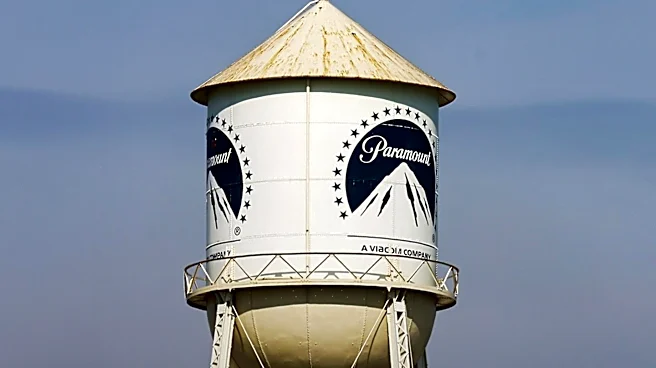
Paramount Skydance's proposed acquisition of Warner Bros. Discovery (WBD) is facing legal challenges from attorneys general in 12 states, including California and New York. The lawsuit, led by California Attorney General Rob Bonta, argues that the $110
billion merger would be anticompetitive, leading to higher prices and reduced content quality for consumers. The merger would consolidate significant control over the theatrical film distribution market, with Paramount-WBD, Disney, Universal, and Sony collectively holding about 86% of the market. Paramount has countered the lawsuit, claiming it misapplies antitrust laws and pledging to defend the transaction. The company argues that delaying the merger would harm entertainment workers and the industry, which has already been disrupted by technological changes.
Why It's Important?
The lawsuit against the Paramount-WBD merger highlights concerns over media consolidation and its impact on competition and consumer choice. If successful, the merger would create a media giant with control over major studios and networks, potentially stifling diversity in content and limiting opportunities for creators. The case underscores the ongoing debate about the balance between business growth and maintaining a competitive market. The outcome could set a precedent for future media mergers and acquisitions, influencing regulatory approaches and industry dynamics. The lawsuit also reflects broader concerns about the concentration of power in the media industry and its implications for cultural and economic diversity.
What's Next?
The legal battle over the merger is expected to continue, with Paramount committed to defending the deal. The European Commission is also reviewing the merger, with a decision expected by July 22. If approved, the merger could proceed, but the lawsuit may delay its completion. The case may prompt further scrutiny of media mergers by regulators and could influence future antitrust policies. Stakeholders, including Hollywood stars and industry workers, are likely to continue voicing their concerns, potentially impacting public opinion and regulatory decisions.