






What's Happening?
James Cameron's 1986 sci-fi movie 'Aliens,' which is approaching its 40th anniversary, featured several futuristic technologies that are now either a reality or on the verge of becoming so. The film depicted advanced concepts such as exoskeletons and
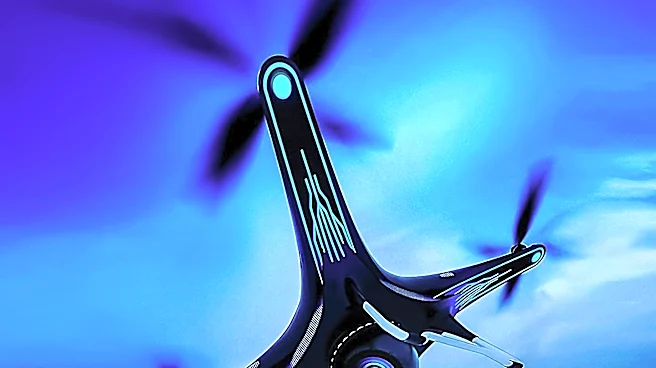
autonomous combat robots. While the movie's 'loaders' were large exoskeletons used for cargo and fighting xenomorphs, modern exoskeletons are smaller and aid in rehabilitation for traumatic injuries or assist with mobility. Similarly, the film's automated sentry guns, which guarded an entrance passage, bear a striking resemblance to autonomous combat robots and drones currently in use, particularly highlighted by their deployment in conflicts like the war in Ukraine. However, some technologies from the film, such as interstellar travel, hypersleep, and terraforming, remain firmly in the realm of science fiction. The film also showcased tracking technology like motion detectors, wearable cameras, and biosensors, which are broadly current, though modern engineers would likely incorporate more sophisticated surveillance cameras and computer vision.
Why It's Important?
The realization of technologies depicted in 'Aliens' underscores the accelerating pace of technological advancement and its potential impact on various sectors. The development of exoskeletons has significant implications for healthcare, enabling individuals with mobility issues to regain independence and aiding in physical therapy. In the commercial sector, these devices could enhance worker safety and efficiency in tasks requiring heavy lifting. The emergence of autonomous combat robots, mirroring the film's sentry guns, highlights the ongoing evolution of military technology and raises critical questions about the future of warfare, ethics in autonomous systems, and the role of human oversight. This convergence of science fiction with reality also influences public perception and expectations of technological progress, potentially driving further innovation and investment in fields like robotics and artificial intelligence. The film's prescience serves as a cultural touchstone for discussions on technological ethics and societal adaptation to new innovations.
What's Next?
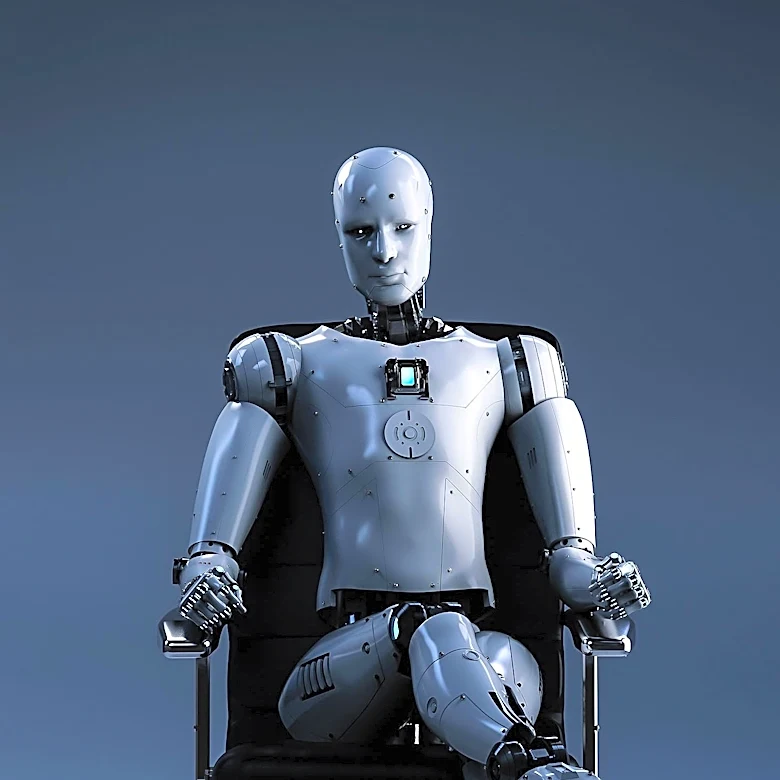
Further advancements in robotics and artificial intelligence are expected to continue blurring the lines between science fiction and reality. Research and development in exoskeletons will likely focus on making them more versatile, lightweight, and integrated with human physiology, potentially expanding their applications beyond medical and industrial uses to everyday life. In the military domain, the deployment and sophistication of autonomous combat robots are anticipated to grow, necessitating ongoing international discussions and regulations regarding their use, particularly concerning ethical considerations and the potential for autonomous decision-making in conflict. The continued evolution of AI, as hinted by the film's 'synthetics' like Bishop, suggests a future where artificial general intelligence (AGI) could approach human cognitive function, prompting significant societal debates about consciousness, rights, and the integration of advanced AI into human society. The absence of personal electronic devices in the film's 2179 setting, contrasted with today's ubiquitous use, also suggests that future technological landscapes may involve unforeseen shifts in how humans interact with technology.
Beyond the Headlines
The technological predictions in 'Aliens' delve into deeper societal and philosophical implications. The film's portrayal of 'synthetics' like Bishop, who adhere to Isaac Asimov's laws of robotics, raises profound ethical questions about artificial intelligence, consciousness, and the definition of humanity. As AI capabilities advance, society will increasingly grapple with the moral status of highly intelligent machines and the potential for them to develop self-awareness or rights. The film also subtly explores the human-technology relationship, where humans are sometimes depicted as expendable compared to advanced machinery, prompting reflection on humanity's role in an increasingly automated world. The contrast between the film's gritty, industrial aesthetic and the sleek, integrated technology of today highlights how cultural perceptions of the future evolve. Ultimately, 'Aliens' serves as a cautionary tale and a thought experiment, encouraging critical examination of the long-term consequences of technological progress and the ethical frameworks needed to guide its development.