






What's Happening?
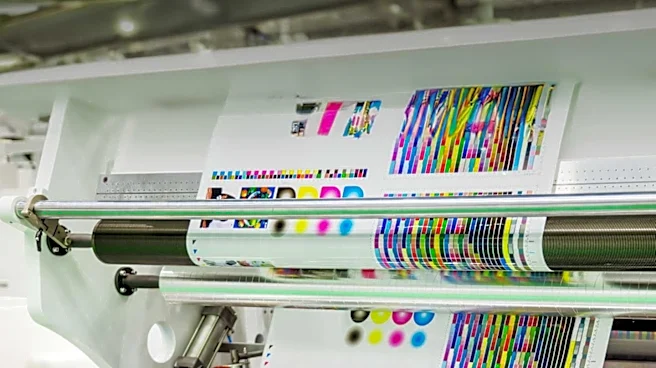
Offset printing is a widely utilized printing technique for producing large volumes of materials such as books, magazines, and flyers. This method is recognized for its efficiency, affordability, and ability to deliver high-quality, sharp, and clean images.
It is particularly well-suited for print runs in the thousands, where it offers a lower unit price compared to digital printing. The process involves several steps, including the creation of a print form for each color, selection of suitable paper, transfer of the image to a printing plate, and finally, the application of ink to the paper via a printing press. Offset printing can accommodate various materials, including coated, uncoated, and designer papers, as well as heavier boards for items like business cards and packaging. It also offers diverse finishing options such as varnishing, folding, binding, and lamination.
Why It's Important?
The importance of offset printing lies in its capacity to meet the demands of large-scale production while maintaining cost-effectiveness and quality. For businesses and organizations requiring extensive print runs for marketing materials, publications, or packaging, offset printing provides a reliable solution. Its ability to produce stable and consistent colors is crucial for maintaining brand identity across various printed materials. The technique's versatility in handling a wide range of paper types and finishing options allows for customized and premium outputs, catering to diverse industry needs. This makes it a foundational technology for sectors like publishing, advertising, and manufacturing, where high-volume, high-quality printed matter is essential for operations and outreach.
What's Next?
As technology evolves, the printing industry continues to assess the balance between offset and digital printing. While digital printing offers advantages for smaller and medium-sized runs due to its speed and flexibility, offset printing is expected to remain the preferred choice for large volumes where unit cost efficiency is paramount. Print houses will continue to advise clients on the most suitable method based on their specific project requirements, considering factors like quantity, desired quality, and budget. The ongoing development of materials and finishing techniques will likely further enhance the capabilities and applications of offset printing, ensuring its continued relevance in the production of printed goods.
Beyond the Headlines
The enduring presence of offset printing in a digitally-driven world highlights the continued value of physical media. Despite the rise of digital content, printed materials still play a significant role in communication, marketing, and information dissemination. The tactile experience of a printed book or magazine, or the tangible presence of a flyer, offers a different engagement compared to digital formats. This underscores a broader cultural appreciation for physical artifacts and the craft involved in their production. Furthermore, the environmental considerations associated with large-scale printing, such as paper sourcing and ink disposal, are becoming increasingly important, prompting the industry to explore more sustainable practices and materials within offset printing processes.