



What's Happening?
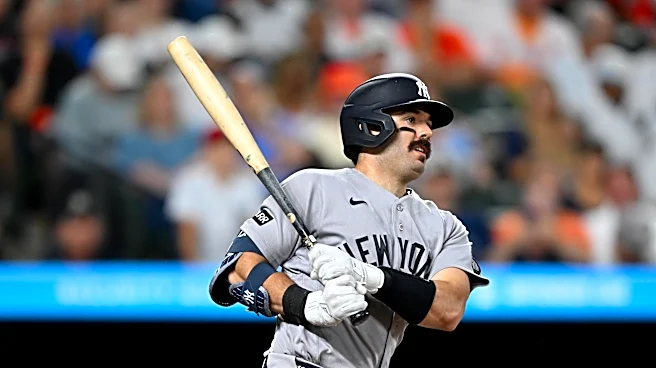
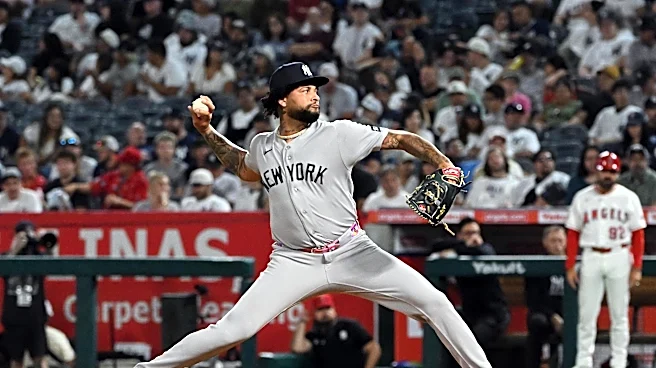
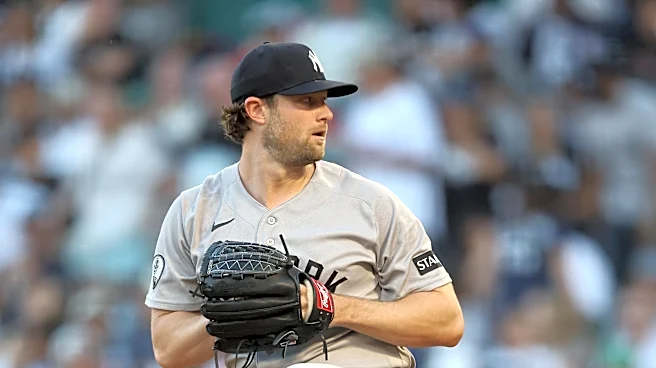
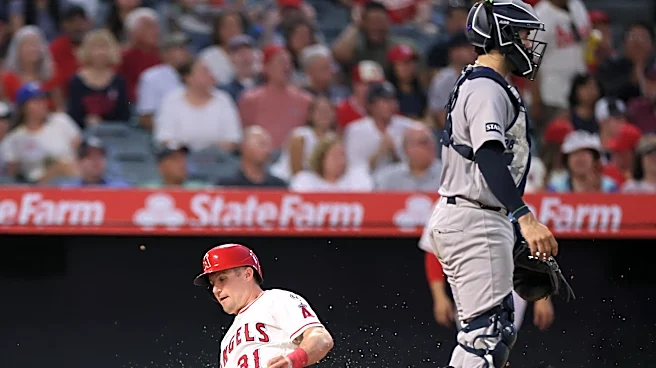
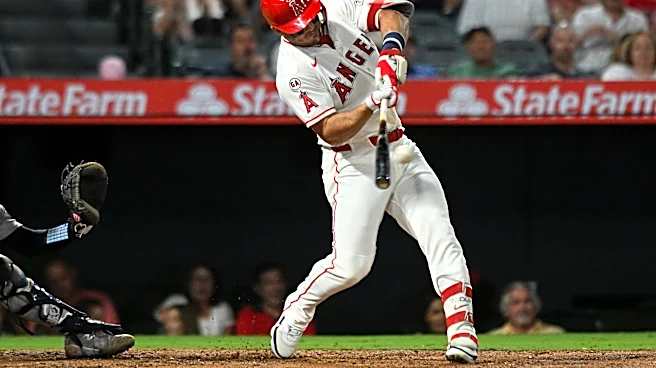
During the sixth inning of a New York Yankees versus Los Angeles Angels game, a photographer was hit in the head by a foul ball. The incident occurred at Angel Stadium when Yankees designated hitter Ben Rice hit an 87-mph slider from Angels starting pitcher
Reid Detmers, sending the ball foul into the camera well at 79.5 mph. The photographer, who was reportedly looking in another direction, was immediately attended to by the Yankees medical staff, including director of sports medicine and rehab Mike Schuck and head trainer Tim Lentych. The game was delayed for approximately 10 minutes as medical personnel assisted the injured individual. The photographer was eventually carted off the field with a neck brace, but was able to walk under his own power to the cart. Ben Rice expressed concern and relief upon learning the photographer was okay. An Angels spokesperson confirmed through the photographer's outlet that he was receiving medical attention and was in stable condition.
Why It's Important?
This incident highlights the inherent risks faced by personnel working in close proximity to live sporting events, particularly in high-impact sports like baseball. The speed and unpredictability of foul balls pose a significant danger, underscoring the need for robust safety protocols and immediate medical response capabilities at professional sports venues. For the New York Yankees and Los Angeles Angels organizations, the swift and coordinated response of their medical teams demonstrates a commitment to the safety of all individuals present at their games, including media personnel. The event also serves as a reminder to players and staff about the potential for serious injury from stray balls, reinforcing the importance of awareness and caution during play. The concern shown by Ben Rice reflects the human element within professional sports, where player well-being extends beyond the field to those covering the event.
What's Next?
Following the incident, the photographer is receiving medical attention, and updates on his condition are expected to be released by his outlet or the Angels organization. This event may prompt a review of safety measures for photographers and other field-level personnel at baseball stadiums, potentially leading to discussions about enhanced protective barriers or designated safe zones. While the immediate focus is on the photographer's recovery, the broader implications could involve industry-wide evaluations of safety protocols to prevent similar occurrences in the future. Teams and leagues may re-evaluate the placement of camera wells and the level of protection offered to individuals working in these high-risk areas. The incident serves as a case study for sports safety management and emergency response procedures.
Beyond the Headlines
Beyond the immediate concern for the photographer's well-being, this incident brings to light the often-overlooked dangers faced by sports media professionals. Their proximity to the action, while crucial for capturing compelling content, also exposes them to significant physical risks. This event could spark a broader conversation within the sports media industry and professional leagues about the balance between access for coverage and the safety of personnel. It may also lead to advancements in protective gear or stadium design to mitigate such risks. The incident underscores the dedication of these professionals who work in challenging environments to bring sports to fans, and it highlights the need for continuous improvement in safety standards across all levels of professional sports.