


What's Happening?
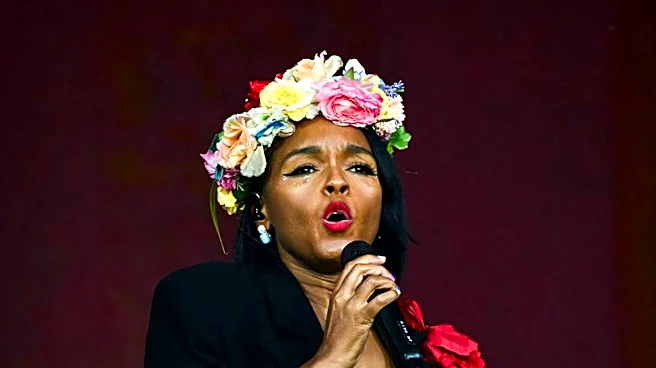
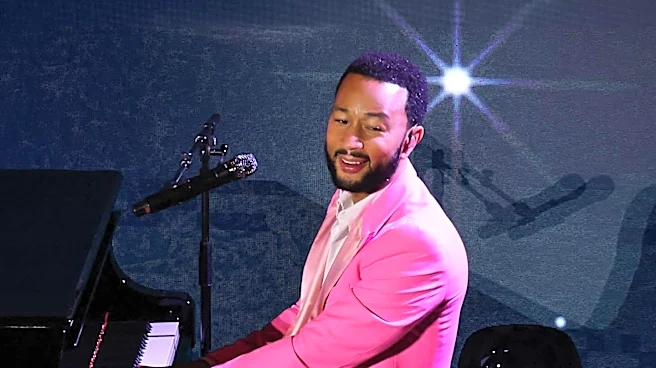
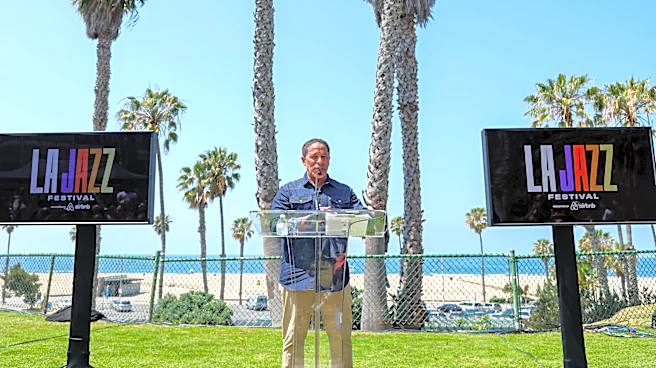
The inaugural LA Jazz Festival, which was set to feature prominent artists such as John Legend and Janelle Monáe, has been postponed until 2027. The decision was announced by festival founder and CEO Martin Ludlow, who cited unforeseen public safety and municipal
permitting costs as the primary reasons for the postponement. The festival was initially planned as a major cultural event aimed at celebrating jazz and supporting minority- and women-owned businesses. Despite the cancellation, organizers have promised full refunds to ticket holders within 30 days and have expressed their commitment to rescheduling the event in the future. The festival was expected to be a significant tourism and economic development initiative, with performances scheduled throughout August.
Why It's Important?
The postponement of the LA Jazz Festival highlights the challenges faced by large-scale cultural events in managing unexpected logistical and financial hurdles. This development affects not only the artists and attendees but also the local economy, which stood to benefit from increased tourism and business activity. The festival's cancellation underscores the importance of thorough planning and risk management in event organization, particularly when public safety and municipal regulations are involved. The situation also raises concerns about the treatment and communication with artists, as some performers expressed dissatisfaction with how the cancellations were handled.
What's Next?
Organizers have committed to rescheduling the festival for 2027, aiming to address the issues that led to the postponement. They will need to rebuild trust with artists and attendees, ensuring better communication and planning in future events. The festival's success in 2027 will depend on securing necessary permits and managing costs effectively. Additionally, organizers may need to engage with local authorities and stakeholders to prevent similar issues from arising. The commitment to supporting minority- and women-owned businesses remains a key focus, and future efforts will likely emphasize this aspect to attract community support.