


What's Happening?
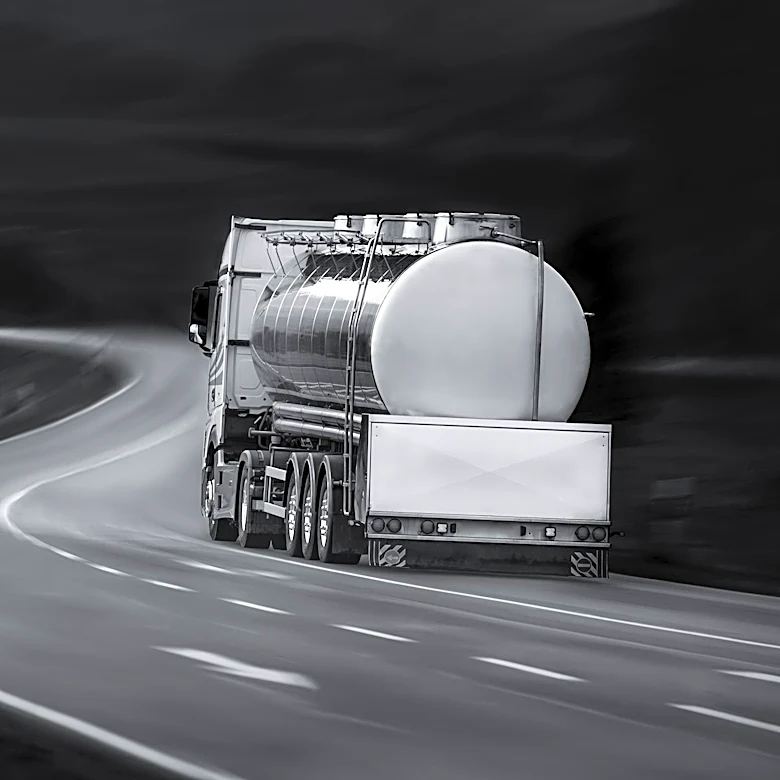
Walmart CEO John Furner has indicated that rising diesel and transportation costs have added approximately $2 billion in expenses for the company this year. This announcement comes as consumer spending patterns are showing signs of change, particularly
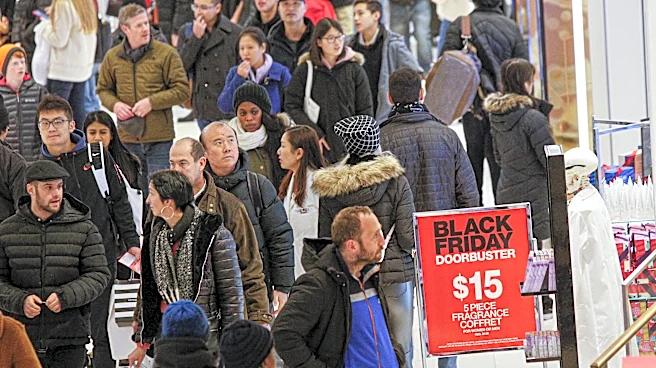
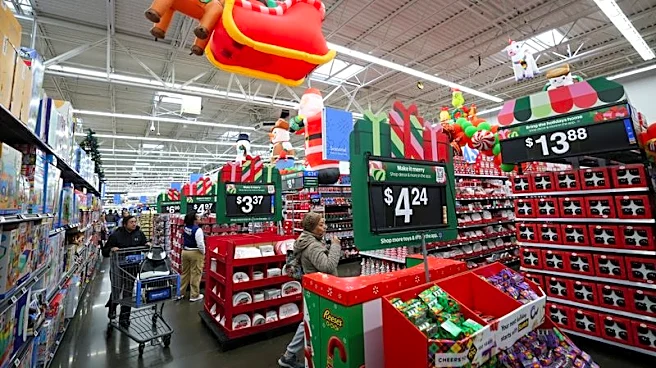
in anticipation of Black Friday. A recent survey reveals that 41% of Black Friday shoppers intend to spend less this year. This shift in consumer behavior is occurring against a backdrop of increased living costs, with food-at-home prices climbing 1.8% over the 12 months leading up to September, and overall consumer prices rising by 3.7% during the same period. Despite these challenges, the National Retail Federation projects a 4.2% year-over-year increase in November-December retail sales, expecting them to exceed $1 trillion.
Why It's Important?
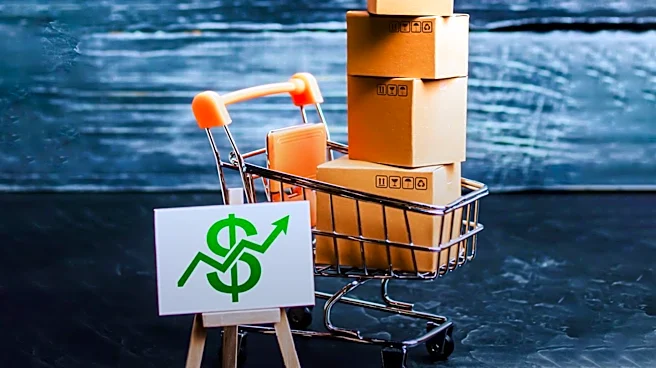
The reported $2 billion increase in transportation costs for Walmart highlights the significant impact of inflationary pressures, particularly in fuel prices, on major retailers. This cost burden can affect profit margins, potentially leading to higher prices for consumers or reduced investment in other areas. The data on Black Friday shopping intentions suggests a cautious consumer outlook, which could influence holiday season sales across the retail sector. While the National Retail Federation forecasts overall retail sales growth, the underlying consumer sentiment indicates a potential shift towards more selective spending, possibly prioritizing essential goods over discretionary purchases. This dynamic could create a challenging environment for retailers as they navigate increased operational costs and a more price-sensitive consumer base.
What's Next?
Retailers, including Walmart, will likely continue to monitor and adapt to evolving consumer spending habits and inflationary pressures. The upcoming holiday shopping season, particularly Black Friday and the November-December period, will be a critical indicator of consumer confidence and the effectiveness of retail strategies in managing increased costs. Companies may explore various measures to mitigate rising transportation expenses, such as optimizing supply chains, negotiating better rates with logistics providers, or adjusting pricing strategies. The National Retail Federation's sales forecast suggests a degree of resilience in the retail sector, but the actual outcomes will depend on how consumers balance their desire for holiday purchases with their concerns about inflation and personal finances.
Beyond the Headlines
The confluence of rising operational costs for businesses and a more frugal consumer mindset points to broader economic shifts. The increase in food-at-home prices, alongside general consumer price inflation, suggests a squeeze on household budgets, which in turn influences discretionary spending. This situation could accelerate trends towards value-oriented shopping and potentially impact brand loyalty as consumers seek more affordable options. For the wider economy, sustained high transportation costs could contribute to persistent inflation, affecting various sectors beyond retail. The retail industry's performance during this period will offer valuable insights into the overall health of the U.S. economy and consumer resilience in the face of ongoing economic challenges.