




What's Happening?
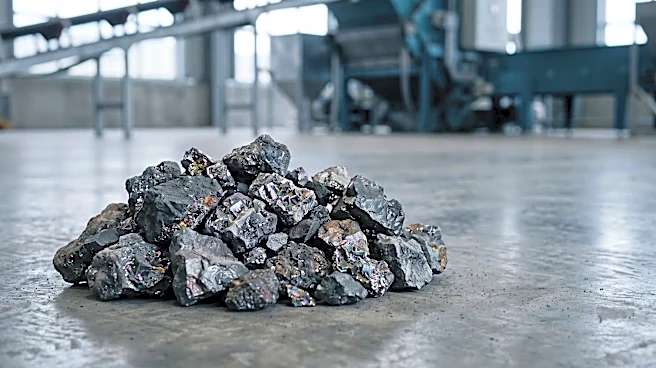
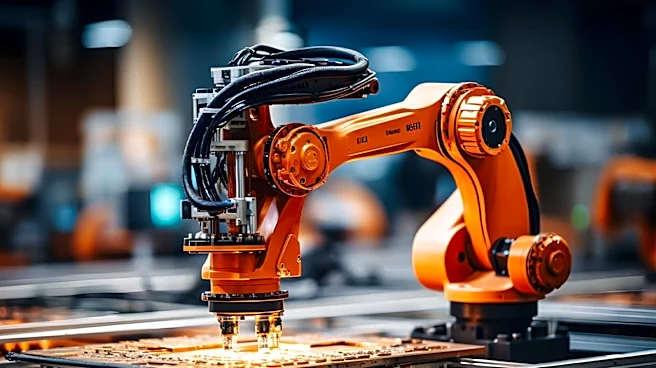
South Korea's robotics industry is facing significant challenges due to China's restrictions on rare earth exports, which are crucial for manufacturing permanent magnets. These magnets are essential components for high-performance motors used in robots.
ROBOTIS, a prominent Korean robot maker, reported a 45% increase in revenue to 13.5 billion won in the third quarter but still incurred an operating loss of 2.6 billion won. Industry observers attribute this unprofitability to China's export restrictions on rare earths and permanent magnets. Despite rising orders for its flagship actuators, ROBOTIS has been unable to secure sufficient rare earths and permanent magnets to increase its production of higher-value products. The company has a backlog of approximately 1 million actuator orders, with about 90% being lower-cost products. China implemented export permit requirements for seven types of medium and heavy rare earths, as well as related alloys and permanent magnet materials, last year. This has directly impacted Korean robot makers who produce their own motors, disrupting their production capabilities.
Why It's Important?
The restrictions highlight the global supply chain vulnerabilities, particularly concerning critical raw materials. China's dominant position in rare earth production gives it significant leverage, impacting industries worldwide that rely on these materials for advanced manufacturing. For South Korea, a leader in robotics and technology, these curbs threaten its industrial competitiveness and innovation. The inability to secure essential components like permanent magnets directly affects the production of high-performance robots, potentially slowing down technological advancements and market expansion. Companies like ROBOTIS and Neuromeka are struggling to meet demand for their advanced products, which could lead to increased costs, delayed product launches, and a potential shift in global market share. The situation also underscores the need for countries to diversify their supply chains and invest in domestic rare earth processing or alternative material research to mitigate geopolitical risks.
What's Next?
Korean robot manufacturers are exploring various strategies to cope with the export restrictions. Some companies have attempted to secure permanent magnets through local subsidiaries in China and import intermediate components, but the Chinese government also prohibits this practice, leading to potential sanctions. While some Korean companies produce permanent magnets domestically, their output is largely supplied to electric vehicle manufacturers, and their products are more expensive, making them less viable for robot makers. The robotics industry is facing a dilemma where importing from China is cost-effective but restricted, and domestic sourcing is significantly more expensive, impacting profitability. This situation may force Korean companies to invest more heavily in R&D for alternative materials or manufacturing processes, or to seek new international suppliers for rare earths, which could be a long-term and costly endeavor. The ongoing restrictions could also spur diplomatic efforts to ease trade barriers or encourage international collaborations to secure critical resources.
Beyond the Headlines
The rare earth export restrictions by China have broader implications beyond immediate production disruptions. They underscore the strategic importance of critical minerals in modern economies and the potential for their weaponization in geopolitical contests. This situation could accelerate a global push towards resource nationalism and the development of secure, diversified supply chains for essential materials. It also highlights the ethical and environmental considerations associated with rare earth mining, prompting a re-evaluation of sustainable sourcing and recycling practices. For the robotics industry, the challenge could drive innovation in motor design that reduces reliance on rare earth magnets or explores entirely new propulsion systems. Furthermore, it could lead to increased government intervention and subsidies in countries like South Korea to bolster domestic production capabilities and reduce dependence on single-source suppliers, transforming global industrial policies and trade relationships in the long run.