





What's Happening?
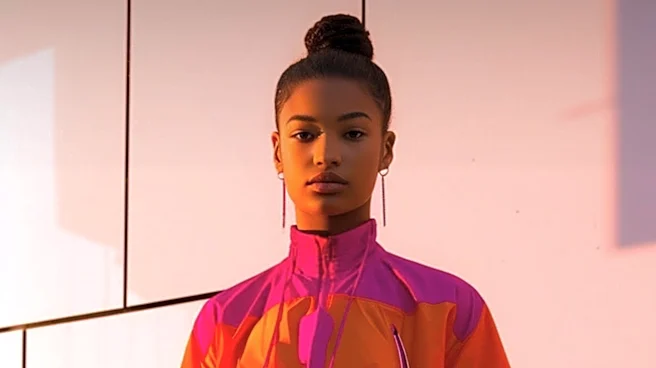
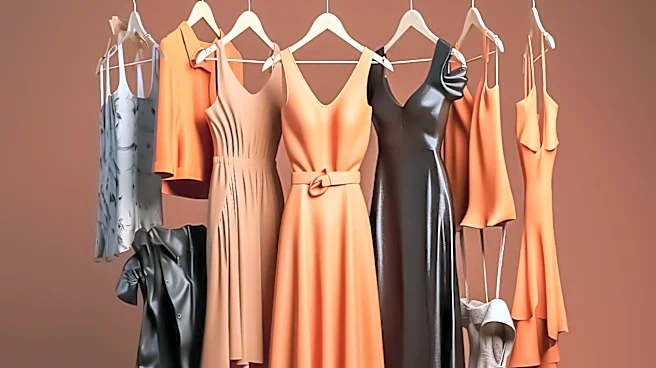
The fashion industry extensively uses 'lookbooks' as a visual tool to present collections. A lookbook serves as a connected body of work, showcasing how garments and accessories are intended to be combined across a season or collection. Unlike e-commerce
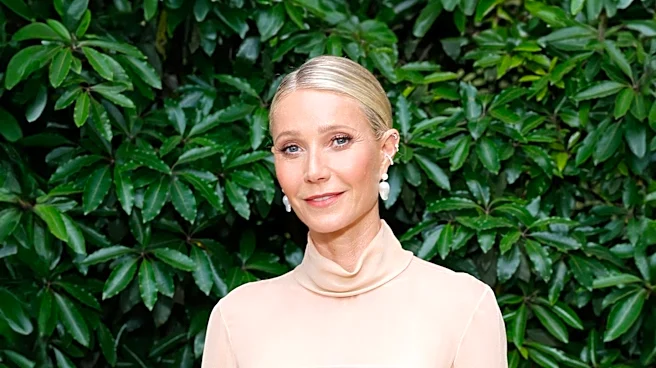
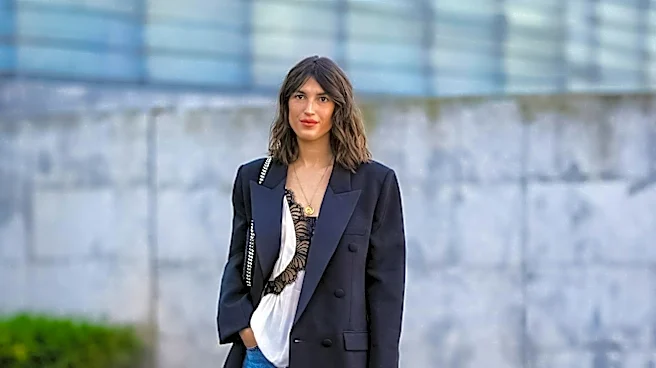
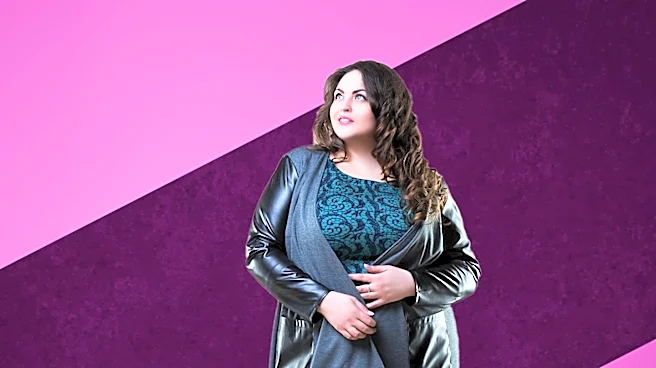
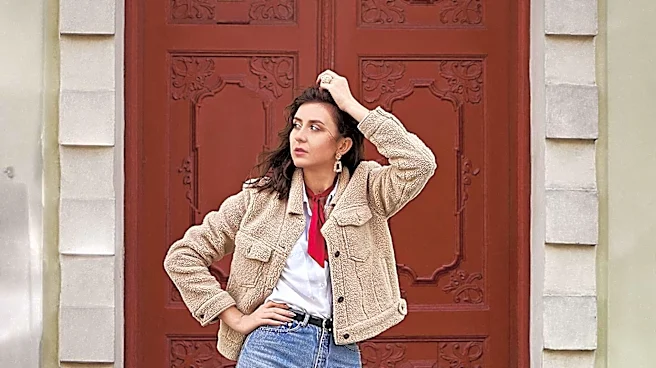
photography, which focuses on consistent, accurate product presentation for online evaluation, lookbooks incorporate more styling and atmosphere. They are created for various audiences, including consumers, retail buyers, press, sales presentations, wholesale appointments, and designer websites. Key elements for effective lookbook photography include consistent lighting, accurate color representation, clear visibility of silhouette and fit, thoughtful styling, repeatable camera positions, logical garment order, and overall cohesion across the entire collection. The goal is to provide variation without visual disruption, ensuring the collection is understood as a unified whole.
Why It's Important?
Lookbooks are crucial for the U.S. fashion industry as they bridge the gap between individual product shots and broader marketing campaigns. For designers and brands, they are essential for communicating the aesthetic and narrative of a collection to a diverse audience, from potential customers to wholesale partners. This visual storytelling helps drive sales and establish brand identity in a competitive market. Retail buyers rely on lookbooks to understand how a collection fits into current trends and how it can be merchandised effectively in stores. For consumers, lookbooks offer inspiration and demonstrate styling possibilities, influencing purchasing decisions. The emphasis on consistent quality and clear presentation in lookbooks directly impacts a brand's professional image and its ability to attract and retain customers, ultimately affecting market share and revenue within the U.S. fashion retail sector.
What's Next?
The evolution of lookbooks is likely to continue with advancements in digital presentation and interactive experiences. As e-commerce and digital marketing become even more dominant, brands will increasingly invest in high-quality, adaptable lookbook content that can function across various platforms, including websites, social media, and email campaigns. There will be a continued focus on creating content that supports different image orientations (horizontal, vertical) to accommodate diverse digital placements without compromising visual integrity. Furthermore, the integration of motion and video within lookbooks could become more prevalent, offering a dynamic way to showcase garments and their movement. Brands will also likely explore personalized lookbook experiences, leveraging data to present curated collections to individual consumers, enhancing engagement and driving more targeted sales.
Beyond the Headlines
Beyond their immediate commercial function, lookbooks play a significant role in shaping fashion trends and cultural perceptions within the U.S. They are not just sales tools but also artistic statements that reflect and influence contemporary aesthetics. The careful curation of styling, atmosphere, and visual narrative in a lookbook contributes to the broader cultural conversation around fashion, influencing how people dress and perceive style. Ethically, the emphasis on 'believable texture' and avoiding 'excessive smoothing' in retouching, as mentioned in the source, highlights a growing industry awareness of authenticity and body positivity. This shift away from overly artificial imagery can have a positive long-term impact on consumer self-image and the promotion of more realistic beauty standards within the U.S. fashion landscape.