






What's Happening?
Thomas Zurbuchen, who previously served as NASA's associate administrator for science from 2016 to 2022, has joined Kent-based Blue Origin. He will head the company's advanced technology team as its senior vice president of advanced concepts, a role he began
on October 5. According to Space News, Zurbuchen's new team at Blue Origin is tasked with developing next-generation concepts and systems aimed at advancing a sustainable future for living and working in space. His responsibilities at NASA included overseeing significant missions such as the James Webb Space Telescope and pioneering initiatives like the Commercial Lunar Payload Services program. Before joining Blue Origin, Zurbuchen, a Swiss native, directed a new space initiative at ETH Zurich, a Swiss university, where he established academic and research programs and supported Swiss space startups.
Why It's Important?
Zurbuchen's move to Blue Origin signifies a notable shift of high-level talent from a leading government space agency to a private aerospace company. His extensive experience and leadership in NASA's science missions, including the James Webb Space Telescope, bring significant expertise to Blue Origin's efforts in advanced space technology. This transition highlights the increasing competition and collaboration between public and private entities in the space sector. His focus on 'next-generation concepts and systems' at Blue Origin could accelerate the development of new space capabilities, potentially impacting the future of lunar exploration, in-space manufacturing, and sustainable space habitation. This move also underscores the growing trend of private companies attracting top scientific and engineering minds to drive innovation in commercial space ventures.
What's Next?
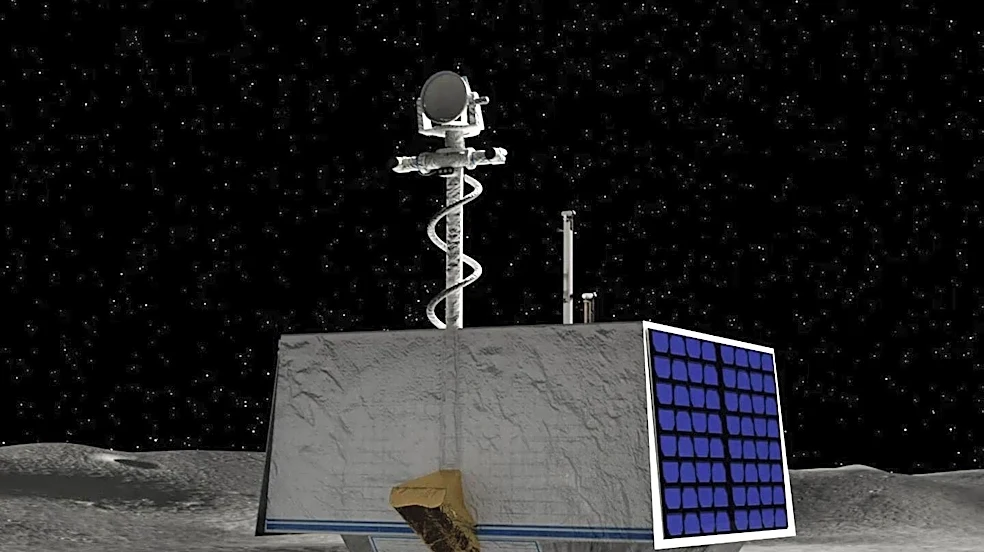
At Blue Origin, Zurbuchen's team is already engaged in projects such as Blue Alchemist, which aims to convert lunar regolith into materials like oxygen and construction supplies for a lunar base. Another initiative, Project Oasis, involves planning lunar prospecting missions, with Oasis-1 being the first smallsat mission designed to map valuable resources such as water ice and helium-3. The work of his group also extends to developing technologies for commercial space stations. These projects indicate Blue Origin's strategic focus on establishing a sustained human presence in space and utilizing lunar resources. Zurbuchen's leadership is expected to drive these initiatives forward, potentially leading to significant advancements in lunar infrastructure and in-space resource utilization in the coming years.
Beyond the Headlines
Zurbuchen's career trajectory, moving from a prominent role at NASA to a private space company and previously to an academic institution in Switzerland, illustrates the evolving landscape of the global space industry. His decision to 'give back' to his native Switzerland by establishing a space initiative at ETH Zurich before joining Blue Origin reflects a broader trend of international collaboration and knowledge transfer within the space community. This movement of expertise between government, academia, and private industry can foster innovation and accelerate technological development. It also raises questions about the long-term implications for national space programs as private companies increasingly attract top talent and resources, potentially reshaping the balance of power and innovation in space exploration.