
What's Happening?
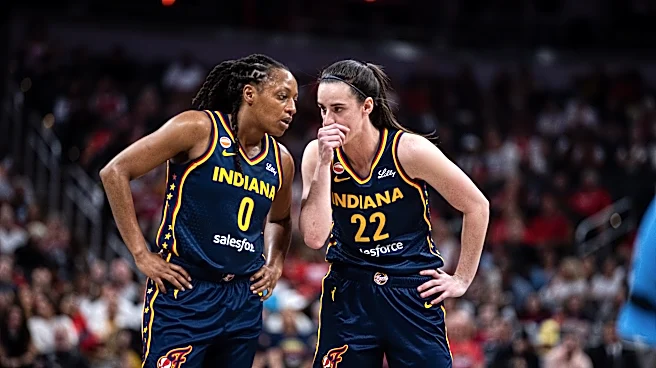
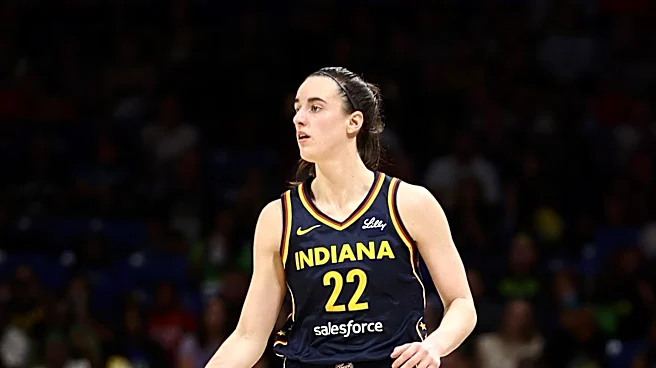
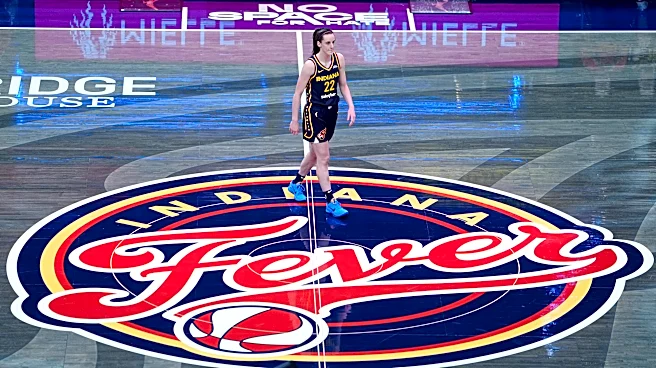
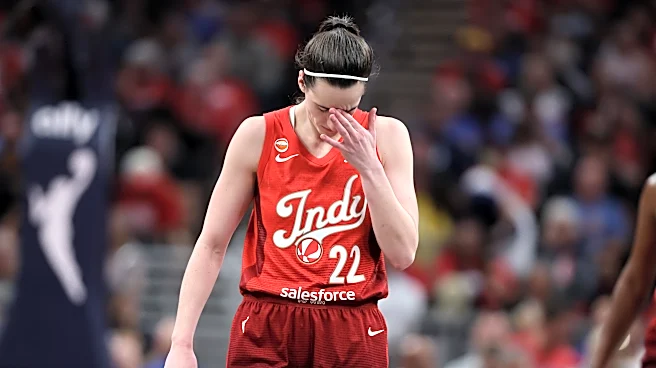
Caitlin Clark, the 24-year-old star player for the Indiana Fever, has publicly discussed the emotional and mental exhaustion she experiences due to navigating public life and media scrutiny. In an interview
with ESPN, Clark stated that much of the media narrative surrounding her is not based in reality and that journalists have a responsibility to accurately tell stories. She expressed that the constant focus on non-basketball issues is draining and makes her apprehensive about post-game conversations. Clark highlighted that these narratives often deviate from the actual sport, making it challenging for her to focus on her goal of helping her team win a championship. This comes after a controversial USA Today column by Nancy Armour, which linked Clark's on-court complaints to online abuse directed at Black WNBA players and made an 'inartful comparison' to the 1955 lynching of Emmett Till, sparking significant public outrage.
Why It's Important?
Caitlin Clark's comments shed light on the immense pressure and mental health challenges faced by high-profile athletes, particularly young women in professional sports. Her experience underscores the impact of media narratives and public discourse on individual well-being, even for those at the pinnacle of their careers. The controversy surrounding the USA Today column also highlights broader societal issues concerning race, gender, and the media's role in shaping public perception. The incident demonstrates how quickly discussions can escalate and become detached from the athlete's actual performance or intentions, potentially creating a hostile environment. This situation is important for U.S. sports culture as it prompts a re-evaluation of how athletes are covered and the responsibility of media outlets in fostering respectful and accurate reporting, especially when sensitive social issues are involved.
What's Next?
Following Clark's statements, there may be increased scrutiny on sports media's reporting practices, particularly concerning WNBA players and the intersection of sports with social issues. Media organizations might face pressure to review their editorial guidelines to ensure more responsible and contextually accurate coverage. For Clark, the focus will likely remain on her performance with the Indiana Fever, but her public comments could encourage more athletes to speak out about mental health and media treatment. The ongoing dialogue around these issues could lead to greater support systems for athletes and a more nuanced approach to sports journalism that prioritizes athlete well-being and factual reporting over sensationalism. The WNBA and its teams may also consider implementing further initiatives to protect players from undue media pressure and online harassment.
Beyond the Headlines
The deeper implications of Caitlin Clark's experience extend to the ethical responsibilities of journalism and the broader cultural landscape of celebrity in the U.S. Her situation exemplifies how public figures, especially women, can become targets of intense scrutiny that often transcends their professional roles. The 'inartful comparison' to Emmett Till's lynching, even if later clarified, reveals a significant lapse in judgment and sensitivity within media, highlighting the need for historical awareness and careful language when discussing race and social justice. This incident also touches upon the double standards often applied to female athletes, who frequently face more personal and character-based critiques compared to their male counterparts. Ultimately, Clark's candidness could contribute to a cultural shift towards greater empathy and accountability in how public figures are portrayed and discussed, fostering a more supportive environment for athletes.